
 EN
EN
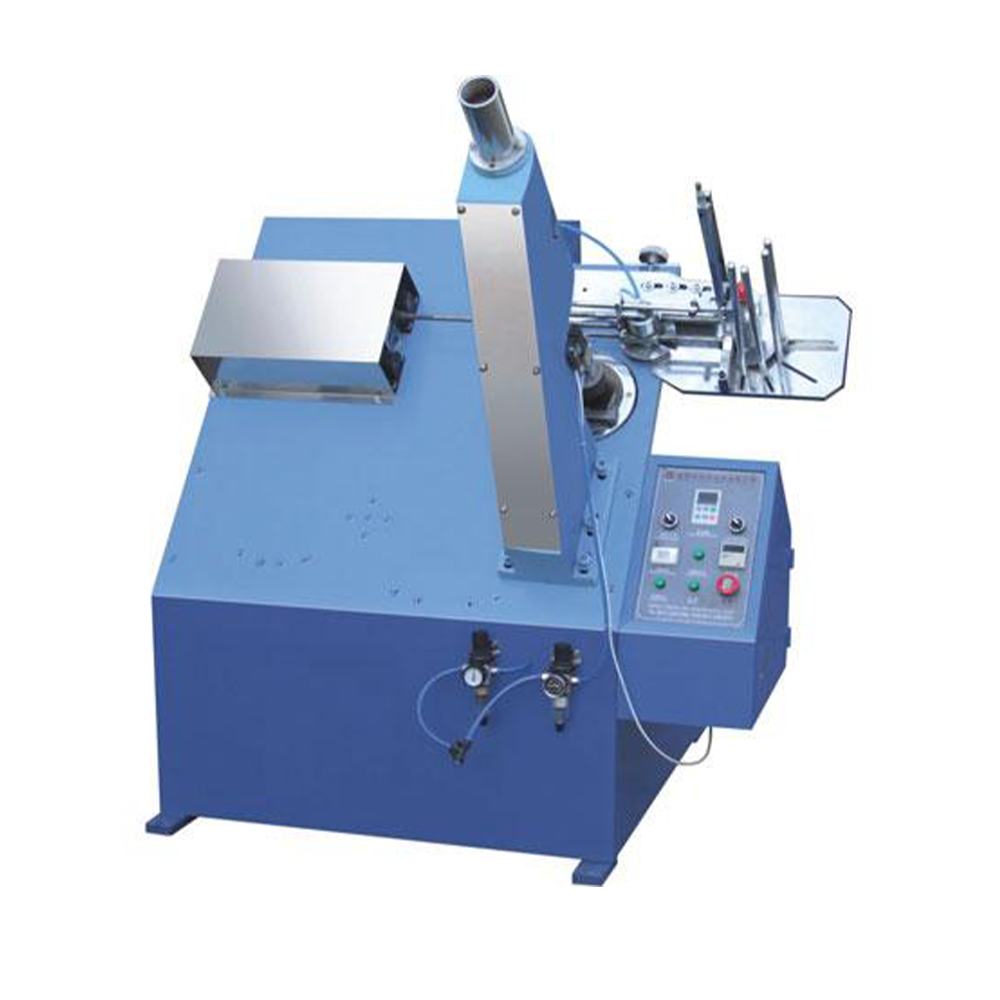
Forståelse af holdbarhed i produkter fra maskiner til fremstilling af papirplader
Ud fra min erfaring med producenter og købere af udstyr til engangsbordudstyr er holdbarhed en af de mest misforståede kvalitetsindikatorer. Mange kunder antager, at hvis en plade "ser tyk ud", må den også være holdbar. I virkeligheden er holdbarhed i produkter fremstillet af en maskine til fremstilling af papirfad afhænger af en kombination af råmaterialekvalitet, formtryk, temperaturkontrol og støbeformens præcision. Hos Bonjee Machine er paptallerkenfremstillingsmaskiner designet til at producere tallerkener, der kan modstå brug i den virkelige verden – varm mad, fugt og stabling under transport. At forstå, hvad holdbarhed virkelig betyder, er det første skridt, før enhver testning begynder, fordi testning uden klare standarder fører til vildledende resultater.
Nøglemaskinfaktorer, der påvirker produktets holdbarhed
En professionel vurdering af holdbarhed starter altid med maskine til fremstilling af papirfad selv. Ud fra branchens praksis producerer maskiner med stabile hydrauliske eller pneumatiske tryksystemer mere konsekvente pladetætheder. Bonjee-maskiner til fremstilling af papirplader fokuserer på kontrolleret formningstryk og jævn opvarmning, hvilket direkte påvirker fiberbindingen inden i pladen. Ifølge min erfaring fører inkonsekvent tryk til svage kanter, mens ujævn temperatur forårsager brødlige områder. Disse maskinrelaterede faktorer skal dokumenteres før test, da endda de bedste testmetoder ikke kan kompensere for ustabil udstyrsydelse.
Bæreevnetests for papirpladers styrke
En af de mest praktiske holdbarhedstests for produkter fra en maskine til fremstilling af papirfad er bæreevnevurdering. Denne test simulerer, hvor meget vægt en tallerken kan bære uden at blive buet eller kollapse. I reelle fabriksscenarier placerer vi typisk kalibrerede vægte eller fødevareækvivalenter på tallerkenerne i en fast periode. Tallerkener fremstillet med veljusterede tallerkenmaskiner fra pålidelige producenter har tendens til at bevare deres form under både statiske og dynamiske belastninger. Ifølge emnepakkningseksperter og ISO-baserede materialeprøvningsmetoder er konsekvent bæreevne et stærkt tegn på strukturel holdbarhed og produktionsstabilitet.
Test af modstandsdygtighed over for varme og fugt
Holdbarhed er meningsløs, hvis tallerkenerne svigter ved udsættelse for varme eller fugt. I professionelle prøvningsmiljøer udføres produkter fra en maskine til fremstilling af papirfad bliver udsat for varmt vand, olie eller damp for at evaluere deformation og utæthed. Fra praktiske testoplevelser viser det sig, at plader fremstillet med præcis temperaturkontrol modstår blødning langt bedre end dem, der er produceret af lavkvalitetsmaskiner. Bonjee's papirplade-maskiner er konstrueret til at sikre en konstant opvarmning, hvilket forbedrer fiberfusionen og reducerer fugtoptagelsen. Disse tests er især vigtige for kunder, der har fokus på fødevarebetjening og takeaway-markeder.
Kantintegritet og formpræcisionsevaluering
En anden kritisk, men ofte overset holdbarhedsfaktor er kantstyrken. Plader kan overleve belastningstests, men mislykkes ved kanten. Dette skyldes normalt problemer med formens justering eller slitage i maskine til fremstilling af papirfad branchenspecialister anbefaler rutinemæssig kantinspektion ved hjælp af manuel bøjning og visuel revneanalyse. I mine professionelle observationer skaber maskiner med højpræcise former glattere, mere tætte kanter, der er mere modstandsdygtige over for revning. Bonjee lægger vægt på formnøjagtighed, fordi kantens holdbarhed direkte påvirker brugeroplevelsen og mærkevurderingen i kommercielle anvendelser.
Langvarig brug og gentagne belastningstests
Sand holdbarhed går ud over enkeltbrugstests. Gentagne belastningstests vurderer, hvordan produkter fra en maskine til fremstilling af papirfad opfører sig under flere belastnings- og aflastningscyklusser. Dette simulerer stabling, transportvibration og håndtering. Ifølge fabriksbaserede casestudier viser plader fremstillet af stabile maskiner minimal nedbrydning efter gentagne belastninger, mens dårligt formede plader hurtigt mister stivhed. Autoritative produktionsvejledninger indikerer, at modstandsdygtighed over for gentagne belastninger afspejler både maskinens pålidelighed og proceskonsistensen, hvilket gør det til én af de mest pålidelige indikatorer for holdbarhed.
Dokumentation af resultater og opbygning af tillid hos kunder
Endelig tilføjer holdbarhedstest kun værdi, når resultaterne dokumenteres transparent. Professionelle producenter registrerer testbetingelser, maskinparametre og resultater for hver maskine til fremstilling af papirfad produktionsparti. Ifølge min erfaring har kunder tillid til leverandører, der fremlægger klare holdbarhedsdata i stedet for vagt formulerede påstande. Bonjee Machine opfordrer kunderne til at forstå, hvordan indstillingerne på deres maskine til fremstilling af papirbakker påvirker den endelige produktydelse. Denne gennemsigtighed bygger langsigtede relationer baseret på tillid og er i overensstemmelse med globale krav til kvalitetskontrol inden for branchen for engangsbordudstyr.
Indholdsfortegnelse
- Forståelse af holdbarhed i produkter fra maskiner til fremstilling af papirplader
- Nøglemaskinfaktorer, der påvirker produktets holdbarhed
- Bæreevnetests for papirpladers styrke
- Test af modstandsdygtighed over for varme og fugt
- Kantintegritet og formpræcisionsevaluering
- Langvarig brug og gentagne belastningstests
- Dokumentation af resultater og opbygning af tillid hos kunder