
 EN
EN
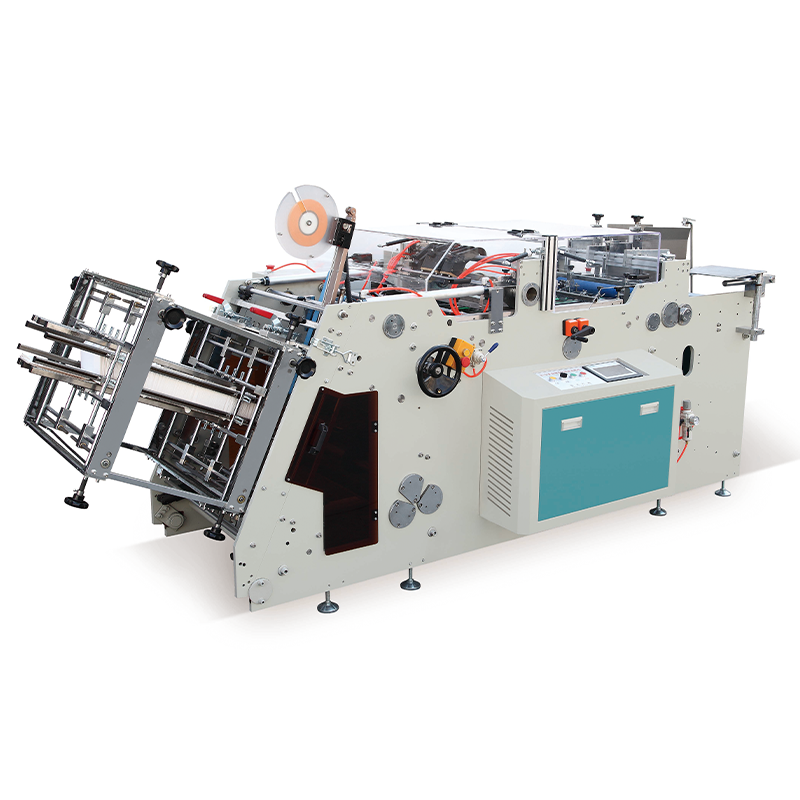
Cineál an mhíneacháin agus Leibhéal na huathoibriú
I measc an riachtanais a bhíonn agat maidir le tionscail, tá sé ríthábhachtach an cineál maisín agus an leibhéal uathoibriú a sholáthraíonn an maisín a mheas. Mar shampla, soláthraíonn Bonjee Machinery roghanna le lán-uathoibriú agus le hleithleach-uathoibriú. Deartha na modhail le lán-uathoibriú chun páipéar a chur isteach, teasa a chur ar an bpáipéar, agus boscaí páipéir a chruthú go léir i gciclé amháin leanúnach. Mar sin, déanann na modhail seo an chuid is mó den phróiseas gan aon chúnamh láimhe. Agus mar sin, laghdaíonn sé go mór an méid oibre atá de dhíth agus méadaíonn sé an éifeachtúlacht agus an cothrom nó an chothromaíocht i gceart. Glac, mar shampla, leis na modhail le lán-uathoibriú. Deartha modhail den sórt seo chun an ciclé iomlán a dhéanamh, ón bpáipéar réadach a chur isteach sa mhaisín go dtí an bosca a bheith iomlán críochnaithe agus amach as an maisín.
Measúnú ar Thábhacht an Táirgeachta agus ar Luas
Is é ráta an tháirgeachta fachtóir mór i roghnú aon mhaisín bocsa páipéar thar aon cheann eile. Tá sé seo go háirithe fíor do tháirgeachtaí ar scála mór. Ag breathnú ar shonraí an t-ainmhithe bunaithe ar thionchar Bonjee, tá aschur meánach na mbaisíní ina gcatagóir seo ag 30–50 bocsa i nóiméad, agus tá feidhmiú aschuir ar fáil ó bhaisíní airde níos mó a bhíonn ag brath ar mhéid an bhocsa agus ar chineál an ábhair a úsáidtear.
Tá an t-iarratas ar an aschur ag brath go forleathan ar obair an ordú atá le fulaingt. Ní dhéanfaidh maisín nach bhfuil a chumas leis an iarratas reatha a chur i gcrích ach botún a chruthú sa phróiseas. Ar an láimh eile, beidh maisín le hiaschur níos airde ná mar is gá leis an iarratas seo costas breise nach bhfuil de dhíth air.
Comhoiriúnacht le hábhar agus Sonraí an Pháipéir
Tá an méid a sholúbthachta a thairgeann gléas do bhosca bia páipéir an-choitianta do ghnó. I rith an ghnáth, tá an chuid is mó de na gléasanna ar an margadh comhoiriúnach le páipér leathach a bhfuil códáil PE nó PLA air agus a mheáchan páipéir idir 100-400 gsm.
Is ríthábhachtach do ghnó é féin a chur in oiriúint le riachtanais athraitheacha na gcustaiméirí. Mar sin, bí cinnte go roghnóidh tú gléas atá comhoiriúnach le páipér PE aon-chaithte agus dá dhá chaithte. Tá na gléasanna seo deartha chun a bheith in oiriúint le riachtanais agus le riachtanais na gcustaiméirí a athraíonn, agus mar sin, tugann siad sábháilteacht nuair a dhéanann tú do investiúint.
Measúnú Solúbthachta an Ghléise i dtéarmaí Éascaíochta na mBoscaí agus Athraithe na Líne Táirgí
Ba chóir go mbeadh feátureanna sonracha ag gléas sábháilte do thógáil boscaí bia páipéir a bhaineann le héascaíocht an mhaisc a athsholáthar chun éascaíocht a chinntiú i mboscaí bia éagsúla agus i bhfíorchaighdeáin éagsúla a tháirgeadh. Tá sé seo mar atá le gléasanna Bonjee. Mar shampla, tá dearadh maisc athsholáthartha agus cineálacha boscaí ag gléasanna Bonjee. Ciallaíonn sé sin go dtuigeann monaróir go héasca an t-aistriú ó tháirgeadh boscaí le haghaidh tógála amach go dtí boscaí lón nó fiachtráidh bia.
Don ghnóthaí a bhfuil iomránaí éagsúla acu nó a dteastaíonn ón ngnó comhtháthú le hathraithe saoireacha sa bhfíorchaighdeán a dtáirgíonn siad, is ríthábhachtach an t-ullmhúchán seo. Laghdaíonn sé tréimhsí neamhghníomhachta agus laghdaíonn sé fiú an riachtanas le gléasanna breise a cheannach.
Measúnú Cumhachta an Ghléasa, Brú Aer agus Sonraí teicniúla eile
Roimh cheannach maisín bosca bia páipéir, ní mór an dtuairimí a thógann an cheannaitheoir i gceist áirithe as na tacair teicniúla mar chumhacht fheidhmiúil an mhaisín agus brú aeir. Úsáideann an chuid is mó de na maisíní córas cumhachta de 220V nó 380V, agus úsáideann siad ráta cumhachta idir 3.5KW agus 8KW, ag brath ar an maisín.
Freisin, ní mór go mbeidh brú aeir stábla agus laistigh den raon 0.6 go 0.8 MPa ag na córais pneamacha chun an córas a oibriú go héifeachtach.
Tabhair ama do thuiscint na riachtanais teicniúla ionas gur féidir leat na hathruithe riachtanacha a dhéanamh sa bhfoirgneamh roimh thagailt an mhaisín.
Measúnú Cáil Tógála an Mhaisín agus a Fhadtana
Is é an fhorbairt freisin a ghlacann leis an gceist nuair a dhéanann tú rogha do mhaisín bosca bia páipéir. Tógann Bonjee, mar tháirgeoir taithíthe, na maisíní le haghaidh feidhmíocht fhadtéarmach agus leathtéarmach i gceannas. Cuireann siad go mór ar an am agus ar na acmhainní chun struchtúr na maisíne a dhéanamh seasmhach, gan fhoighne agus an-éifeachtach, agus mar sin is cinnte go mbeidh siad ann le fada an t-am.
Ba chóir go mbeadh gnéithe sonracha a bhaineann le heasacht an t-athsholáthair mold le bheith ag maisín shimplí. Cabhróidh sé seo freisin leis an gcomhtháthú a mhéadú. Cabhróidh frémh mhaith le laghdú an dromchla a bhíonn ann i ngníomhaíochtaí ar luas ard agus an fhoighne a ghinntear i ngníomhaíochtaí ar luas ard. Cabhróidh gach ceann de na nithe seo leis an gcalaois deireanach a mhéadú agus leis an tréimhse seirbhíse na maisíne a fheabhsú. Is féidir maisín ar scoth a úsáid i dtaca níos lú ama agus acmhainní nuair a sheirbhísítear é agus i rith na tréimhsí nach mbíonn sé i ngníomh nuair a sheirbhísítear é.
Tacaíocht Teicniúil agus Seirbhísí I ndiaidh Díol
Cé gur féidir le seirbhísí i ndiaidh díol a bheith neamhthábhachtach go minic, is féidir leo an rath atá le teacht ar chomhlacht a chinntiú nó a mhíchinntiú, agus is sampla iontach é Bonjee Machinery. Tairgeann siad tacaíocht ó inhiniúirí thar lear, mar aon le oiliúint theicniúil do fhoireann, agus treoracha céim ar chéim maidir le suiteáil tar éis a bheith críochnaithe.
Is comhlacht a thairgeann geallta ar sheirbhísí é comhlacht a bheidh in ann do sheirbhísí teicniúla a réiteach go luath is féidir, agus mar sin, do tháirgeadh a choinneáil ag stopadh ar an bhfocal 'stop' ar an bhfocal 'pause' go minimí.
Saincheap an Todhchaí agus Saincheap
Maireann an smaoineamh an bhfuil sé féidir an t-uisce párca mhaithiúil a chur in oiriún le do ghnó, mar a dhéanann meaisíní Bonjee. Tairgeann siad seo i bhfoirm aonaid ghlú le saincheap nó córais maithiúil le servó, srl. Leis na haonaid ghlú agus na córais maithiúil le servó a chur le do mheaisín Bonjee, beidh do ghnó in ann freagairt a thabhairt do riachtanais thábhachtacha a athraíonn.
Is é sin inneall a dheanann an t-ádh leat agus le do ghnó, agus a choinníonn do infheistíocht slán mar gheobhaidh sé an riachtanas le haghaidh athruithe minic ar thaisce do chuideachta.
Ábhar Clár
- Cineál an mhíneacháin agus Leibhéal na huathoibriú
- Measúnú ar Thábhacht an Táirgeachta agus ar Luas
- Comhoiriúnacht le hábhar agus Sonraí an Pháipéir
- Measúnú Solúbthachta an Ghléise i dtéarmaí Éascaíochta na mBoscaí agus Athraithe na Líne Táirgí
- Measúnú Cumhachta an Ghléasa, Brú Aer agus Sonraí teicniúla eile
- Measúnú Cáil Tógála an Mhaisín agus a Fhadtana
- Tacaíocht Teicniúil agus Seirbhísí I ndiaidh Díol
- Saincheap an Todhchaí agus Saincheap