
 EN
EN
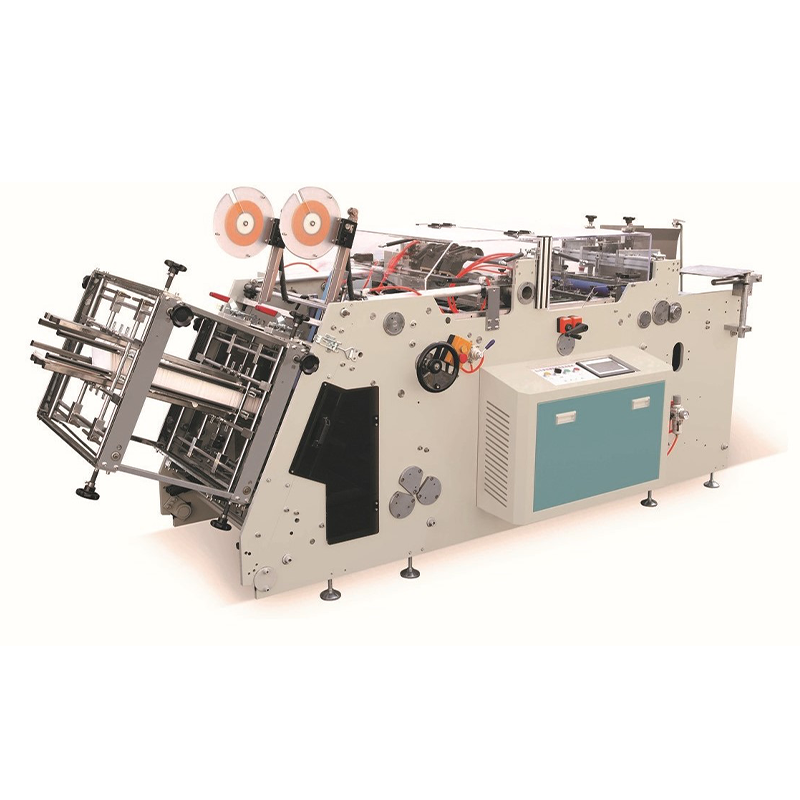
In the booming disposable food packaging industry, the production capacity of a paper lunch box machine directly dictates a manufacturer’s market responsiveness, cost control, and profit margins. Choosing a machine with mismatched capacity—either too low to meet demand or excessively high leading to resource waste—can hinder business development. Wenzhou Bonjee Machinery Co., Ltd., a high-tech enterprise with over 30 technical patents and certifications (CE, SGS), has been a global supplier of paper packaging equipment for over a decade, exporting to more than 100 countries. Its paper lunch box machine lineup, including single-lane, double-lane, and specialized models (e.g., BJ-CHX, BJ-CTA, and the patented dual-compartment lunch box forming equipment), is engineered to meet diverse capacity needs. This article explores the production capacity requirements for different paper lunch box machine types, combining Bonjee’s product advantages to provide practical guidance for manufacturers.
Define Production Capacity Based on Market Demand and Scale
The primary step in determining paper lunch box machine capacity is aligning it with market demand and business scale. Small to medium-sized manufacturers serving local catering businesses or small retailers typically require a daily output of 50,000–150,000 units. Bonjee’s single-lane paper lunch box machine (speed: 160–200 pcs per minute) is ideal for this segment, as it balances efficiency and investment costs. Established in 2013, Bonjee’s 900-square-meter production base ensures consistent supply of such cost-effective models, which are equipped with international brand electrical components (Schneider, Siemens) for stable long-term operation.
For large-scale manufacturers supplying national catering chains, supermarkets, or exporting globally, a daily output of 200,000–500,000 units is necessary. Bonjee’s double-lane paper lunch box machine (speed: 200–300 pcs per minute) meets this demand, leveraging full servo motor drive technology to achieve high-speed production without compromising quality. The company’s one-stop solutions, including pre-press printing and die-cutting integration, further enhance overall production efficiency, ensuring the machine’s capacity translates into actual delivery capabilities.
Match Capacity with Machine Type (Single-Lane vs. Double-Lane)
Different paper lunch box machine types have inherent capacity differences that must be matched to production needs. Single-lane machines are designed for flexibility and cost-effectiveness, making them suitable for manufacturers producing multiple paper lunch box sizes (e.g., 300ml, 500ml, 750ml) or small batches. Bonjee’s single-lane models feature easily replaceable molds—compatible with its patented “three-dimensional carton forming device” (Patent No.: ZL 2024 2 3031812.0)—allowing quick switching between products without significant capacity loss.
Double-lane paper lunch box machines prioritize high-volume output, ideal for mass production of standardized paper lunch boxes. Bonjee’s double-lane equipment integrates synchronized servo control for both lanes, ensuring uniform speed and product consistency. For example, the BJ-DB model maintains a stable 250–300 pcs per minute output, with a low failure rate thanks to its durable mold design (using NSK bearings and SKF transmission parts). Manufacturers should note that double-lane machines require more floor space and higher initial investment, so they are only cost-effective for large-scale, continuous production.
Consider Product Complexity and Mould Compatibility
Production capacity is not solely about speed—it also depends on paper lunch box complexity and mold compatibility. Basic rectangular or round paper lunch boxes with simple structures have minimal impact on capacity, as they can be formed quickly. Bonjee’s standard paper lunch box machine models handle these products seamlessly, with molds optimized for rapid heating and forming cycles.
Complex designs, such as dual-compartment lunch boxes, leak-proof structures, or custom-shaped containers, require specialized molds and longer forming times, reducing effective capacity. Bonjee addresses this with its patented “dual-compartment lunch box forming equipment” (Patent No.: ZL 2020 2 1841187.5), which streamlines the forming process for complex products. The machine’s intelligent control system adjusts parameters (pressure, temperature, forming time) automatically, maintaining a capacity of 120–160 pcs per minute for dual-compartment boxes—significantly higher than industry averages. Manufacturers producing complex paper lunch boxes should prioritize machines with dedicated mold technology and parameter customization capabilities, like Bonjee’s specialized models.
Factor in Core Component Performance for Stable Capacity
A paper lunch box machine’s long-term capacity stability relies on the performance of its core components. Inferior motors, hydraulic systems, or electrical parts can lead to frequent breakdowns, reducing actual production capacity. Bonjee’s paper lunch box machines use full servo motors and international brand components (Siemens, Delta, ABB), ensuring consistent power output and low maintenance requirements.
For example, the BJ-SPT500Y hydraulic press model features a high-pressure hydraulic system with SMC pneumatic components, enabling continuous operation for 8–12 hours without overheating. The machine’s CE and SGS certifications guarantee compliance with international safety and quality standards, minimizing unplanned downtime. Manufacturers should evaluate component quality when selecting a machine—investing in equipment with reliable core parts ensures that rated capacity is maintained over years of use, avoiding costly production interruptions.
Comply with Quality and Environmental Standards Without Sacrificing Capacity
Modern production capacity requirements for paper lunch box machines extend beyond speed—they must also meet strict quality and environmental standards. Poor-quality paper lunch boxes (e.g., uneven forming, weak seals) result in waste, which effectively reduces net capacity. Bonjee’s paper lunch box machines integrate precision forming technology and real-time quality monitoring, with a product qualification rate of over 99.5%.
Environmental regulations also influence capacity planning. Bonjee’s machines are designed for energy efficiency, consuming 15–20% less power than conventional models while maintaining high speed. They also support eco-friendly raw materials (recycled paper, water-based adhesives), aligning with global sustainability trends. Manufacturers must ensure their paper lunch box machine meets local environmental standards (e.g., EU’s 2006/42/EC Machinery Directive, as verified by Bonjee’s UDEM certificate) to avoid production halts due to non-compliance.
Optimize Capacity Through One-Stop Production Line Integration
Standalone paper lunch box machine capacity can be limited by bottlenecks in pre- or post-production processes (e.g., printing, die-cutting, stacking). Bonjee’s one-stop solutions integrate the paper lunch box machine with complementary equipment, creating a fully automated production line. This integration eliminates manual handling between processes, increasing overall line capacity by 30–40%.
For example, a Bonjee integrated line includes automatic feeding, printing, die-cutting, forming, and stacking modules, with a total capacity of 200–300 pcs per minute for standard paper lunch boxes. The line’s centralized control system synchronizes all processes, reducing downtime caused by mismatched speeds between equipment. Manufacturers with high-volume demands should consider integrated solutions to maximize capacity utilization and reduce labor costs.
Table of Contents
- Define Production Capacity Based on Market Demand and Scale
- Match Capacity with Machine Type (Single-Lane vs. Double-Lane)
- Consider Product Complexity and Mould Compatibility
- Factor in Core Component Performance for Stable Capacity
- Comply with Quality and Environmental Standards Without Sacrificing Capacity
- Optimize Capacity Through One-Stop Production Line Integration