
 EN
EN
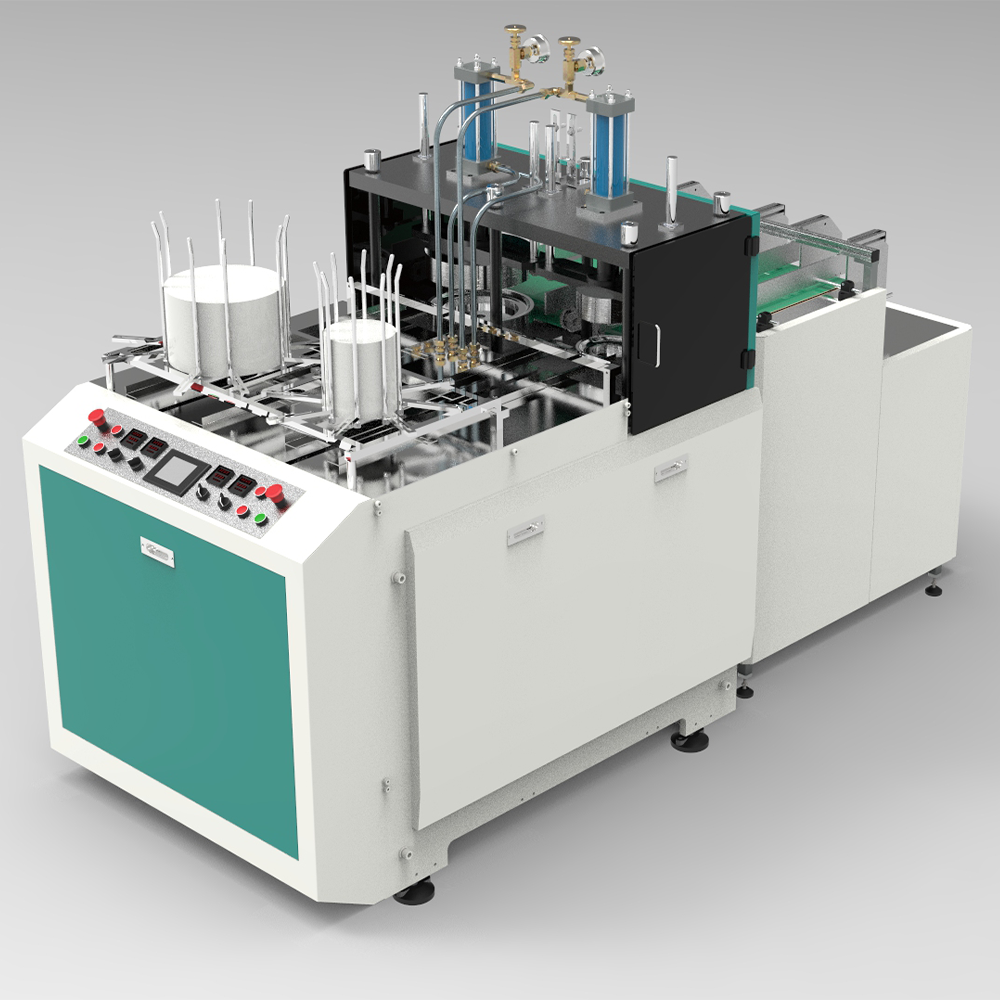
Understanding Your Machine's Technical Foundation
When investing in a paper plate making machine, understanding the technical architecture is the first step toward appreciating comprehensive after-sales support. At Bonjee Machinery, our machines incorporate advanced servo motor systems from Schneider and Siemens, paired with Delta control systems that require specialized technical knowledge for maintenance and troubleshooting. Over our 15+ years of manufacturing experience, we have observed that approximately 70% of operational issues stem from inadequate understanding of these electrical components rather than mechanical failures. Our technical team has handled over 3,000 after-sales cases across 100+ countries, giving us unique insight into the common challenges operators face. This experience has shaped our after-sales philosophy: proactive education prevents reactive repairs.
Installation and Commissioning Support
The initial setup phase determines your machine's long-term performance trajectory. Professional installation services for a paper plate making machine should include mechanical leveling, pneumatic system calibration, and electrical safety verification. Based on our field data, machines installed by certified technicians demonstrate 40% fewer breakdowns in the first year compared to self-installed units. Bonjee Machinery provides on-site installation support or detailed remote guidance through video conferencing, ensuring your production line achieves optimal speed and plate quality from day one. Our technicians spend an average of 3-5 days on-site, training your operators on proper startup procedures, material loading techniques, and quality control checkpoints specific to your paper plate specifications.
Spare Parts Availability and Inventory Management
Operational continuity depends heavily on spare parts accessibility. A reliable supplier should maintain regional inventory hubs for critical components like heating plates, molds, and pneumatic cylinders. In our global operations, we have established that the average emergency spare part delivery time should not exceed 72 hours for standard components and 7 days for custom molds. We recommend maintaining an on-site inventory of high-wear items including silicone pads, heating elements, and cutting blades—typically representing an investment of 3-5% of your machine's purchase price. This strategy can reduce unexpected downtime by up to 85%, based on our customer productivity studies across Southeast Asian and European markets.
Technical Training and Knowledge Transfer
Sustainable machine operation requires building internal expertise within your team. Comprehensive training programs should cover three dimensions: operational proficiency, basic troubleshooting, and preventive maintenance scheduling. Our experience training over 2,000 operators worldwide indicates that structured 40-hour training programs reduce service call frequency by 60% within the first six months. Training should include hands-on practice with paper plate making machine settings adjustment, mold changeover procedures, and recognition of early warning signs such as unusual vibration patterns or temperature fluctuations. We provide multilingual training materials and certification programs to ensure knowledge retention across shifts and staff turnover scenarios.
Remote Diagnostics and Digital Support Systems
Modern paper plate manufacturing benefits significantly from IoT-enabled diagnostic capabilities. Advanced after-sales service now includes real-time monitoring systems that track machine performance metrics including cycle speed, energy consumption, and error frequency. Our technical team utilizes remote diagnostic tools to resolve approximately 65% of reported issues without requiring physical site visits, reducing both downtime and service costs. These systems generate predictive maintenance alerts based on operational data, allowing you to schedule interventions during planned maintenance windows rather than reacting to unexpected failures. When selecting a supplier, verify their capability to provide secure remote access support with data protection compliance.
Warranty Terms and Service Level Agreements
Understanding warranty coverage scope is essential for financial planning and risk management. Standard industry warranties for paper plate making machines typically cover manufacturing defects for 12 months, but comprehensive coverage should extend to electrical components, pneumatic systems, and structural elements. We recommend negotiating service level agreements that define response time commitments—ideally 4-hour response for critical failures and 24-hour response for standard inquiries. Clarify whether warranty service includes labor costs, travel expenses for technicians, and replacement part logistics. Transparent warranty terms reflect a manufacturer's confidence in their equipment quality and their commitment to long-term partnership rather than transactional sales.
Long-Term Partnership and Continuous Improvement
The most valuable after-sales relationship evolves into continuous collaboration for operational optimization. Leading suppliers provide regular technical bulletins regarding efficiency improvements, new material handling techniques, and safety upgrades. Over our decade of international operations, we have helped clients upgrade existing machines to accommodate biodegradable materials and larger plate formats through retrofit programs, extending equipment lifespan by 5-7 years while avoiding full replacement costs. Establish quarterly performance review meetings with your supplier to discuss production challenges, emerging market requirements, and potential equipment enhancements. This partnership approach transforms your paper plate making machine from a static asset into a continuously improving production platform.