
 EN
EN
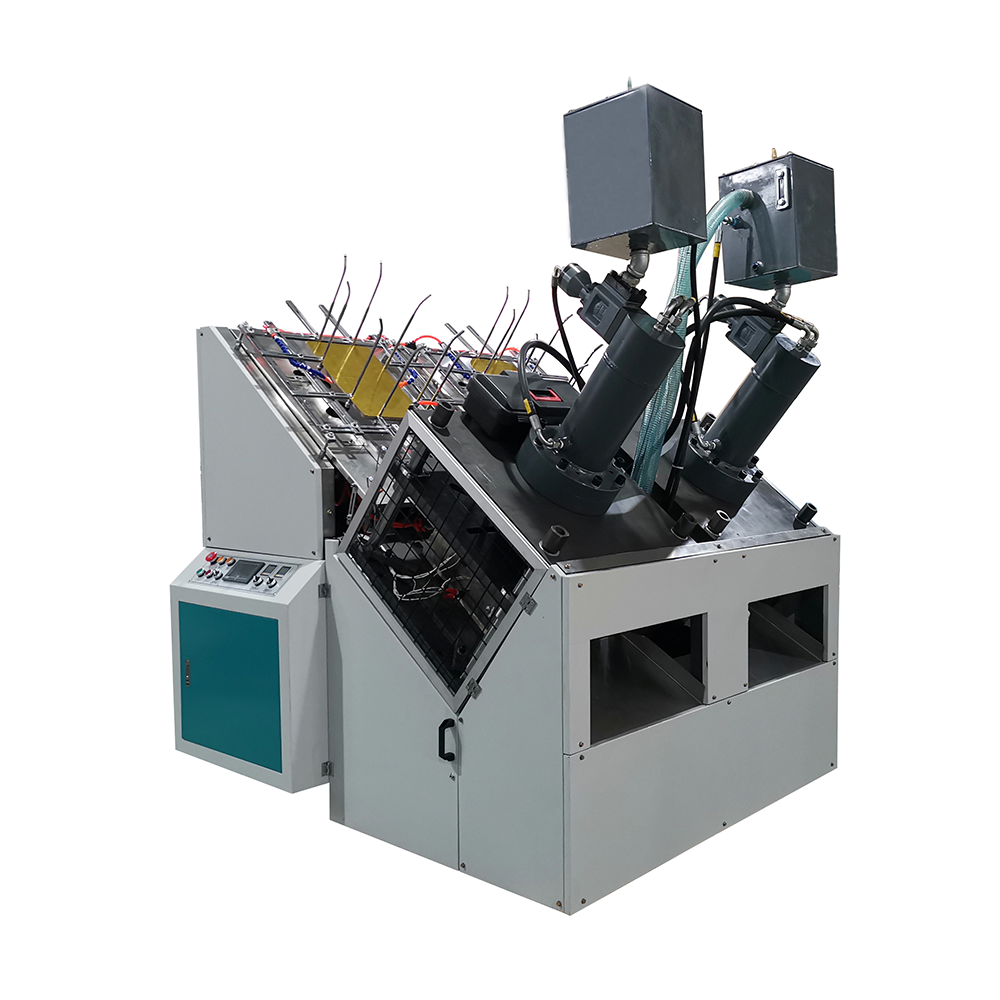
Harnessing Engineering Excellence for Long-term Paper Plate Machine Reliability
Based on our years of manufacturing experience at Bonjee Machine, we have observed that 90% of sudden equipment failures could have been prevented through disciplined daily care. A paper plate machine is a high-precision integration of mechanical, hydraulic, and pneumatic systems. To maintain the structural integrity and output quality of your production line, maintenance must transition from a "reactive" chore to a "proactive" ritual. In this guide, we provide expert-level insights into the essential daily routines that ensure your investment continues to yield high-quality biodegradable tableware with minimal downtime.
Master the Art of Precision Cleaning to Protect Your Paper Plate Machine
The most common enemy of a paper plate machine is paper dust and adhesive residue. During high-speed operation, tiny paper fibers accumulate in the molding area and sliding tracks. If left uncleaned, these particles mix with lubricants to form a grinding paste that accelerates component wear. Our senior technicians recommend using compressed air to clear the forming molds and feeding tracks every four hours. Ensure the heating plates are free from carbonized buildup; a clean surface ensures uniform heat distribution, which is critical for achieving the crisp, defined edges that define premium paper plates.
Optimizing the Hydraulic and Pneumatic Systems of Your Paper Plate Machine
A paper plate machine often relies on consistent pressure to form shapes accurately. Daily inspection of the hydraulic oil level and pneumatic air pressure is non-negotiable. Expertise in fluid dynamics suggests that even a minor leak in a hydraulic seal can lead to pressure fluctuations, resulting in inconsistent plate thickness or "soft" edges. Check all hose connections for signs of weeping or cracking. Furthermore, ensure that the air filter-regulator-lubricator (FRL) unit is drained of moisture. Water ingress into the pneumatic valves is a leading cause of erratic machine behavior and expensive solenoid replacements.
Strategic Lubrication Management for High-Speed Paper Plate Machine Parts
Friction is the silent killer of mechanical efficiency. For your paper plate machine, we implement a "Point-to-Point" lubrication strategy. This involves identifying high-wear areas such as the main cam, reciprocating rods, and chain drives. Using the correct grade of food-safe lubricant is vital, as it prevents contamination while providing the necessary film strength to protect metal surfaces under heat. Our field case studies show that machines with a dedicated daily lubrication schedule exhibit 40% less bearing failure over a five-year period compared to those maintained sporadically.
Electrical Safety and Sensor Calibration in Your Paper Plate Machine
Modern automation allows a paper plate machine to operate with minimal supervision, but this relies heavily on the "eyes" of the machine—its sensors. Daily, you must wipe the lenses of the photoelectric sensors that track paper feeding and product counting. Dust-covered sensors lead to "false jams," stopping production unnecessarily. Additionally, conduct a quick visual check of the control cabinet. Ensure there are no loose wires or signs of overheating. A stable electrical environment is the backbone of the PLC (Programmable Logic Controller) that governs your machine's complex timing cycles.
Establishing a Professional Maintenance Log for Your Paper Plate Machine
Trustworthiness in manufacturing comes from transparency and documentation. We advise every operator of a paper plate machine to maintain a daily logbook. This should record the machine's operating temperature, any unusual noises, and the completion of cleaning tasks. Not only does this create accountability for the operators, but it also provides a valuable data trail for expert technicians during annual deep-service intervals. By following these professional protocols, you ensure that your paper plate machine remains a robust asset, capable of meeting the rigorous demands of the global eco-friendly packaging market.
Table of Contents
- Harnessing Engineering Excellence for Long-term Paper Plate Machine Reliability
- Master the Art of Precision Cleaning to Protect Your Paper Plate Machine
- Optimizing the Hydraulic and Pneumatic Systems of Your Paper Plate Machine
- Strategic Lubrication Management for High-Speed Paper Plate Machine Parts
- Electrical Safety and Sensor Calibration in Your Paper Plate Machine
- Establishing a Professional Maintenance Log for Your Paper Plate Machine