
 EN
EN
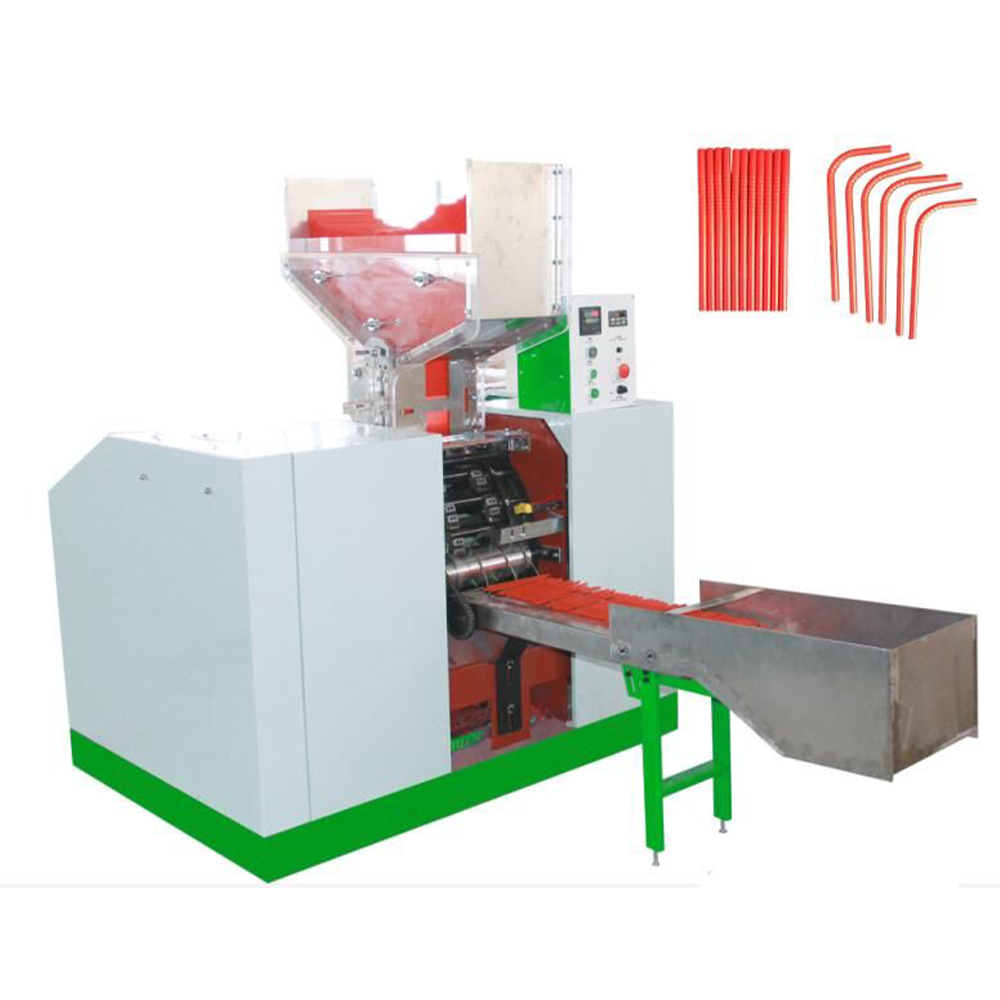
In today’s global push toward sustainability, the honeycomb paper making machine stands as a pivotal innovation in eco-friendly manufacturing. These machines produce lightweight, durable, and fully recyclable honeycomb paper materials, which serve as superior alternatives to plastic and foam-based packaging. For companies like Wenzhou Bonjee Machinery Co., Ltd., a high-tech enterprise specializing in automated paper packaging solutions, integrating honeycomb paper production aligns with a commitment to reducing environmental impact. By leveraging advanced technology and sustainable practices, these machines not only meet stringent international certifications (such as CE and SGS) but also support a circular economy. This article explores the multifaceted environmental benefits of honeycomb paper making machines, highlighting their role in promoting a greener future
Reducing Plastic Dependency and Pollution
One of the most significant environmental advantages of honeycomb paper making machines is their ability to curb plastic waste. Traditional plastics, derived from fossil fuels, can persist in ecosystems for centuries, harming wildlife and contaminating soil and water. In contrast, honeycomb paper materials are crafted from renewable sources like recycled paper or sustainably managed pulp. For instance, Bonjee’s automated production lines—which include printing and die-cutting capabilities—enable the creation of sturdy, plastic-free packaging for food trays, plates, and boxes. By replacing single-use plastics with biodegradable honeycomb paper, these machines directly combat pollution and align with global initiatives to minimize plastic reliance.
Biodegradability and Non-Toxicity
Honeycomb paper products degrade naturally within months, unlike synthetic materials that leach harmful chemicals as they break down. The production process in honeycomb paper making machine systems avoids toxic additives, relying instead on water-based adhesives and clean mechanical forming. Bonjee’s adherence to international standards, such as SGS certification, ensures that their machinery outputs safe, non-toxic packaging suitable for food contact. This biodegradability reduces landfill burden and prevents long-term environmental contamination, offering a closed-loop solution where used paper products can be composted or recycled into new materials.
Resource and Energy Efficiency
Modern honeycomb paper making machines are engineered for optimal resource utilization. They often incorporate energy-saving components from partners like Schneider or Siemens, reducing electricity consumption during operation. Additionally, the honeycomb structure’s inherent strength allows for minimal material use without compromising durability—a key principle of sustainable design. Bonjee’s patented technologies, backed by over 30 technical patents, enhance this efficiency by streamlining production steps, from pulp molding to finishing. This conserves raw materials and lowers the carbon footprint associated with manufacturing and transportation due to the lightweight end-products.
Carbon Footprint Reduction
The lifecycle of honeycomb paper products inherently generates fewer greenhouse gases compared to plastics or metals. Raw materials sourced from responsibly managed forests or recycled paper streams sequester carbon, while energy-efficient machinery further cuts emissions. Bonjee’s machines, exported to over 100 countries, support global carbon reduction goals by enabling local production, which shortens supply chains and lessens transport-related pollution. By choosing honeycomb paper packaging, businesses contribute to a lower overall carbon footprint, aligning with climate action frameworks like the Paris Agreement.
Promoting Circular Economy Principles
Honeycomb paper making machines are integral to circular economic models, where materials are reused and recycled rather than discarded. The output of these machines—such as food trays or protective packaging—can be easily repulped and remanufactured into new paper products. Bonjee’s one-stop solutions for automated production lines emphasize this circularity, offering systems that integrate recycling-ready design. This reduces virgin resource extraction and encourages waste-to-resource transitions, fostering sustainable consumption patterns in industries ranging from food service to logistics.
Supporting Sustainable Industry Practices
Beyond direct environmental benefits, honeycomb paper making machines drive broader industrial shifts toward sustainability. Companies investing in this technology, like Bonjee with its CE-certified equipment, often prioritize eco-friendly operations, such as using solar power or optimizing water reuse. The machines’ versatility also allows for the production of customizable, eco-conscious packaging that meets rising consumer demand for green alternatives. As highlighted in Bonjee’s exhibition showcases (e.g., Riyadh International Convention & Exhibition Centre), these innovations demonstrate how technology can merge productivity with planetary stewardship.
Conclusion
Honeycomb paper making machines represent a transformative force in environmental protection, offering tangible solutions to waste, pollution, and resource depletion. Through innovations in biodegradability, energy efficiency, and circular design, they empower industries to adopt greener practices. Wenzhou Bonjee Machinery Co., Ltd. exemplifies this progress by providing certified, automated machinery that supports global sustainability goals. Embracing honeycomb paper technology is not just an industrial upgrade—it’s a commitment to preserving ecosystems for future generations.