
 EN
EN
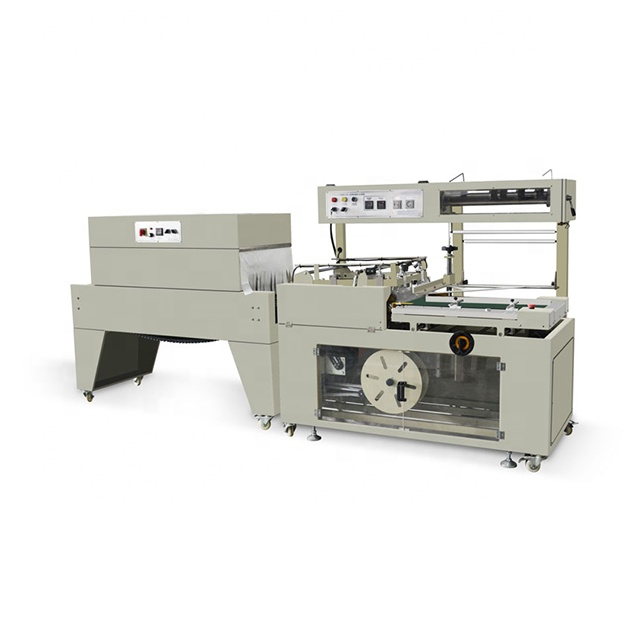
Shrink Film Fundamentals: Materials, Structure, and Key Performance Metrics
Polyolefin, PVC, and Polyethylene: Thermal Behavior and Compatibility with Shrink Packing Machines
The main shrink film options on the market today include Polyolefin (POF), PVC, and polyethylene, each with different temperature needs when working with shrink wrapping equipment. POF works best around 160 to 190 degrees Fahrenheit, giving clear results and shrinking evenly fast enough for those busy production lines running non-stop. PVC needs much hotter conditions between 200 and 300 degrees, which can be tricky because it releases chlorine gas when things get too hot. That's why most facilities install proper ventilation systems in their heating areas. Polyethylene stands out for being really tough, making it great for heavier products that need extra protection during transport. However, it takes longer to reach its optimal shrinking point above 180 degrees, so operations might need to slow down a bit to accommodate this material. Getting the right match between what kind of film we're using and how hot our machinery gets isn't just about following specs from the manufacturer manual either. It actually makes a big difference in avoiding broken seals later on, saving money on wasted electricity, and keeping everything looking good after shrinkage happens consistently across all packages.
Crosslinked vs. Multilayer Films: Effects on Shrink Force, Clarity, and Heat Tunnel Response
Film architecture critically shapes functional behavior during shrinking:
- Crosslinked films use chemical bonding to strengthen polymer chains, increasing shrink force by 30–40%—ideal for securing unstable or irregularly shaped loads. However, this enhanced mechanical performance often reduces optical clarity and mandates precise, high-temperature heat tunnel control (≈250°F / 121°C) for uniform activation.
-
Multilayer films, typically laminates of POF, ethylene-vinyl alcohol (EVOH), or other barrier resins, deliver >90% clarity alongside balanced shrink tension and excellent moisture resistance. Their engineered layer structure responds predictably across a broader range of heat settings, simplifying changeovers between product types.
Choose crosslinked films when containment security outweighs aesthetics; select multilayer films when visual appeal, shelf life extension, and moisture protection are priorities—especially for retail-ready frozen or fresh goods.
Gauge, Shrink Tension, and Moisture Barrier Ratings – Interpreting Critical Film Specifications
Three interdependent specifications govern how well a film performs on your shrink packing machine:
| Specification | Measurement | Impact on Shrink Packing |
|---|---|---|
| Gauge | Microns (µm) | Thinner films (35–45 µm) reduce material costs but increase risk of tears or wrinkles under tension; thicker gauges (>60 µm) improve abrasion resistance and load stability at the expense of higher energy demand and potential over-shrink. |
| Shrink Tension | PSI (pounds per square inch) | High-tension films (>300 PSI) excel at stabilizing multipacks or unstable loads—but require tight alignment of dwell time and temperature to avoid product distortion or seal blowouts. |
| Moisture Vapor Transmission Rate (MVTR) | g/m²/day | For hygroscopic or frozen products, MVTR <5 g/m²/day prevents condensation and freezer burn; fresh produce benefits from higher MVTR (>5 g/m²/day) to support respiration and reduce fogging. |
Prioritize films whose gauge, tension, and MVTR align holistically with your machine's sealing strength, heat tunnel calibration, and target product requirements—not just individual spec benchmarks.
Machine-Centric Film Matching: Ensuring Seamless Integration with Your Shrink Packing Machine
Feed Stability, Sealing Interface Design, and Vent Hole Requirements
The choice of film has a major impact on how long machines stay running, how consistently materials feed through, and whether seals hold up properly. When there's inconsistent tension across rolls, edges don't stay aligned, or the material isn't stiff enough, this often leads to feeding problems and machine jams. Some factories report around 15% of unexpected downtime comes from these issues during fast production runs. To keep things running smoothly, it makes sense to ensure the film thickness matches what the machine expects, along with making sure cores are rigid enough for the unwind system. Otherwise, problems like telescoping rolls and unstable web movement become real headaches. Getting the right balance between film properties and equipment requirements is essential for good sealing results too.
- Hot wire sealers require films with narrow, predictable melt-point ranges (e.g., standard POF or PE);
- Impulse sealers perform best with uniform-thickness films that resist thermal deformation across the seal zone.
Ventilation is equally critical: mismatched vent hole patterns cause air entrapment and ballooning. Micro-perforated films should feature 20–40 precisely placed holes per m²—aligned with your machine's perforation mechanism and heat tunnel airflow zones—to enable controlled air escape without compromising structural integrity.
Heat Tunnel Compatibility: Aligning Film Activation Thresholds with Temperature Profiles and Dwell Time
The point at which materials start to shrink isn't the same for everyone—it depends heavily on what kind of resin we're talking about. For example, PVC tends to begin shrinking around 70 degrees Celsius (which is about 158 Fahrenheit), whereas POF needs temperatures closer to 90°C (roughly 194°F) before it starts contracting properly. When someone tries running a film through a heat tunnel outside of its ideal temperature range, problems happen fast. We've seen everything from partial shrinking to burnt spots and uneven tension across packages. That's why it really matters to set up the heat tunnel according to the specific shrink curve provided by the film manufacturer instead of just going with whatever default settings come preloaded. And don't forget to check how well things line up when it comes to temperature distribution throughout the tunnel, how long items stay in there, and whether air moves evenly across all surfaces during processing.
| Film Type | Optimal Dwell Time | Max Recommended Tunnel Temp |
|---|---|---|
| Polyolefin | 8–12 seconds | 150°C (302°F) |
| Polyethylene | 6–9 seconds | 140°C (284°F) |
Exceeding recommended temperatures by just 10°C increases energy consumption by ~18% and raises the risk of distortion or seal degradation. Proper calibration improves tension consistency and cuts packaging waste by up to 30%.
Application-Driven Film Selection to Prevent Common Packaging Defects
Optimizing shrink film properties for specific product categories prevents costly defects, extends shelf life, and maintains operational efficiency throughout the supply chain.
Film Optimization for Challenging Products: Frozen Food, Fresh Produce, and Multipacks
Product-specific challenges demand purpose-built film solutions:
- Frozen foods: Require low-temperature flexibility and puncture resistance below –18°C. Polyethylene films in the 80–100 µm gauge range reduce brittleness-related fractures by 30% compared to thinner alternatives.
- Fresh produce: Needs controlled atmosphere interaction—films with MVTR >5 g/m²/day (often micro-perforated POF) support respiration while minimizing surface condensation and decay.
- Multipacks: Demand high shrink tension (≥300 PSI) and dimensional stability during rapid contraction. Crosslinked films provide the aggressive, sustained force needed to secure irregular or loosely packed items without slippage.
Eliminating Ballooning, Dog Ears, and Fish Eyes Through Precision Shrink Packing Machine–Film Alignment
Most recurring shrink packaging defects stem from misalignment—not film deficiency. Resolving them hinges on coordinated film-machine tuning:
- Ballooning: Caused by trapped air expanding faster than the film shrinks. Mitigate by pairing lower-shrink-initiation films (e.g., PVC) with extended dwell times—or using micro-perforated films matched to your tunnel's airflow design.
- Dog ears: Result from insufficient corner tension due to low shrink ratio or weak seal integrity. Use films with ≥60% shrink ratio and calibrate sealing jaw pressure to match film thickness and composition.
- Fish eyes: Appear as localized haze or cloudiness from uneven heating or contamination. Select films with tightly controlled 50–60 µm gauge and anti-fog coatings, and ensure heat tunnel airflow is evenly distributed across the web width.