
 EN
EN
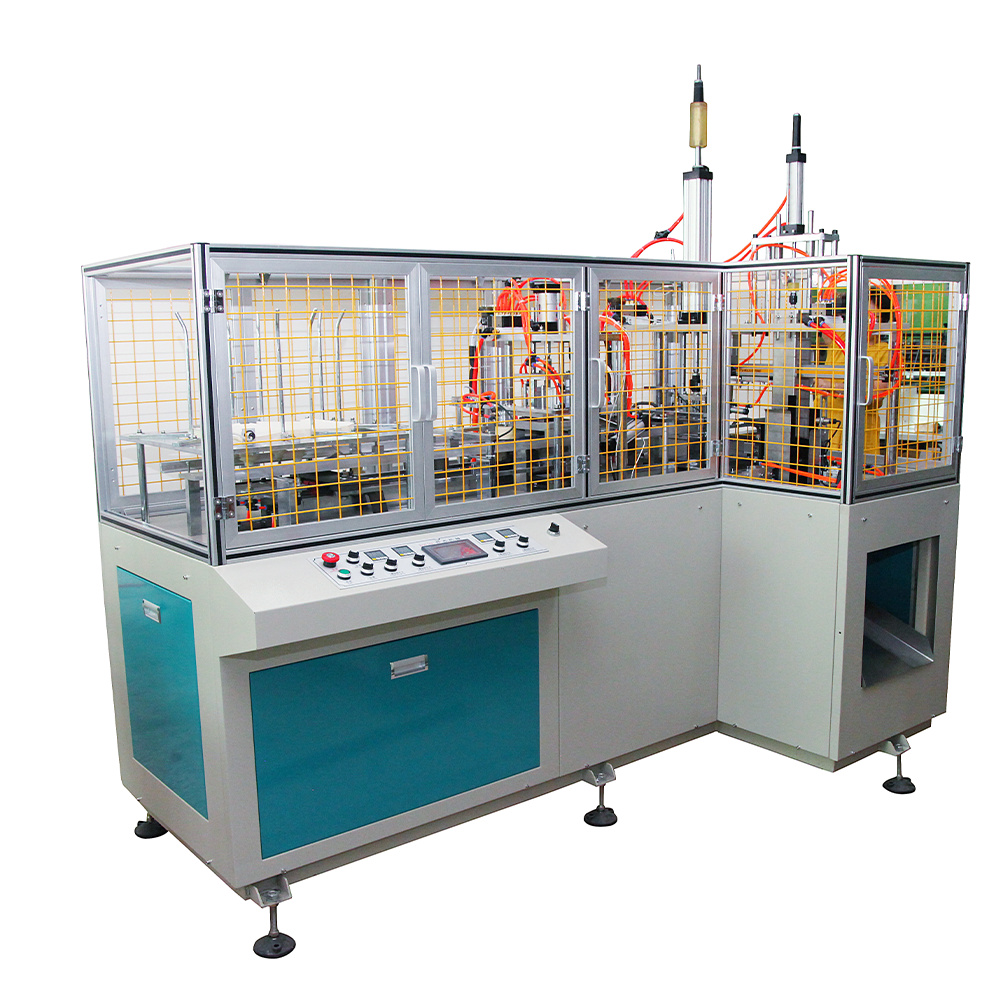
Adjusting a fast food box machine for different box sizes is essential for any food packaging operation that demands flexibility, speed, and efficiency. Whether you are producing small sandwich boxes or larger takeaway containers, mastering the adjustment process ensures minimal downtime, consistent box quality, and maximum production throughput. In this article, I will share real experience from working with Bonjee Machine’s fast food box machines, deep technical insights, expert tips, and authoritative recommendations to help you confidently adjust your machine for various box dimensions.
Understanding the Basics of a Fast Food Box Machine
Before diving into adjustment steps, it’s important to understand what a fast food box machine is and how it operates. A fast food box machine is an automated piece of equipment used to form, fold, and glue paperboard into finished food containers. At Bonjee Machine (https://www.bonjeemachine.com/), our machines are designed for high-speed production of food boxes, including burger boxes, fry boxes, pizza trays, and more.
From my experience working in production lines, every successful adjustment starts with knowing the machine’s working parts:
-
· Feeding section – delivers paperboard to the machine
-
· Creasing system – makes fold lines
-
· Cutting die – shapes the box
-
· Forming station – folds and applies glue
-
· Discharge conveyor – collects finished boxes
The better you understand these components, the easier it will be to adjust the machine for different sizes.
Preparing for Adjustment: Safety and Initial Setup
Before adjusting your fast food box machine, safety and preparation cannot be overlooked. In my years of machine commissioning and training customers worldwide, I’ve always emphasized a structured preparation stage to avoid errors or injuries.
-
· Power off and lockout – Always shut down the machine and engage lockout procedures to prevent accidental start-up.
-
· Clear the area – Remove any remaining paperboard or jammed pieces from the feeding path.
-
· Gather tools – Most adjustments require Allen keys, wrenches, and sometimes digital calipers.
-
· Review specifications – Confirm the desired box dimensions, material thickness, and design pattern.
Following these steps not only protects operators but also prepares the machine for precise adjustments.
Adjusting Feed and Guide Rails for Different Box Widths
One of the first mechanical adjustments you will encounter when changing box sizes is reconfiguring the feed section of the fast food box machine. Different box widths mean the guide rails and feed belts must accommodate new paperboard sizes.
-
· Guide Rails: Loosen the fixing bolts and slide the guide rails to match the new paperboard width. Ensure the rails are parallel to prevent skewing.
-
· Feed Belts: If the box width changes significantly, adjust the feed belts so they grip the board reliably without slipping or causing jams.
In actual customer installations, we’ve found that marking commonly used widths on the guide rails accelerates future adjustments by providing visual reference points.
Setting the Creasing and Cutting Stations
Once the feeding section is set, the next critical step is adjusting the creasing and cutting stations. These stations define where the paperboard bends and where the cutting dies outline the shape of the fast food boxes.
Experience Tip: Always refer to the box dieline template provided by the design engineers. This dieline serves as the blueprint for where creases and cuts should occur.
To adjust:
-
· Creasing Rollers: Slide the creasing rollers into the positions that align with the new fold lines. Tighten the locking screws gradually while verifying alignment.
-
· Cutting Dies: Replace or shift cutting dies to match the box’s footprint. Use precise measurements—preferably with calipers—to ensure accuracy.
At Bonjee Machine, we often pre-configure machine settings for popular box sizes, so your machine can switch between formats with minimal setup.
Fine-Tuning Glue Applicator and Forming Stations
After adjusting mechanical components, the glue applicator and forming station require fine-tuning. Applying glue correctly is crucial to ensure box strength and food safety, especially for greasy or heavy items.
-
· Glue Nozzles: Adjust the position and flow of the glue nozzles based on box flap design. Too much glue causes seepage; too little may fail to secure the box.
-
· Forming Clamp Timing: Ensure the timing between folding and gluing is synchronized. The forming clamp must fold the box at the right moment after glue is applied.
From my work supervising production lines, incorrect glue timing is one of the most common reasons for rejects. Using sensors or digital control panels can help you monitor and adjust real-time parameters effectively.
Testing and Quality Control
Once mechanical and glue settings are complete, it’s time to test your adjustments. This step ensures that the machine runs smoothly and the boxes are of consistent quality.
-
· Run a Small Batch: Start with a few dozen boxes to evaluate fold accuracy, glue adhesion, and box shape.
-
· Inspect Dimensions: Use a ruler or caliper to measure box dimensions against design specifications.
-
· Evaluate Structural Integrity: Check corners and flaps to ensure they are securely glued and robust.
At Bonjee Machine, we advise customers to maintain a standard checklist during initial test runs. This practice reinforces quality control and quickly identifies any needed adjustments.
Documenting Your Settings for Future Reference
One professional practice that cannot be overstated is thorough documentation. Every time you adjust your fast food box machine for a new box size, record all parameter settings—including guide rail positions, crease locations, glue settings, and test results.
Why document? Because:
-
· It saves time on future adjustments
-
· It prevents guesswork and reduces errors
-
· It creates a knowledge base for your team
Many production teams create laminated setup sheets stored near the machine, which has proven invaluable for shift changes and training new operators.
Expert Tips for Efficient Size Changeovers
In addition to the technical steps above, here are expert recommendations based on real case studies:
-
· Modular Tooling: Use quick-change tooling and modular fixtures to reduce setup time.
-
· Digital Controls: Machines with digital parameter memory allow operators to recall stored settings instantly.
-
· Regular Maintenance: Keep rails, dies, and glue nozzles clean and well-lubricated to ensure consistent box quality.
-
· Operator Training: Invest in regular training so staff can confidently handle adjustments and troubleshoot issues.
These strategies elevate your operation from basic functionality to professional performance.
Conclusion: Mastering Size Adjustments for Productivity
Adjusting a fast food box machine for different box sizes involves mechanical alignment, precise measurements, glue application control, and methodical testing. With hands-on experience, careful documentation, and attention to detail, operators can achieve fast changeovers and reliable production quality. By leveraging best practices—like those shared here and through Bonjee Machine’s design philosophy—you will improve efficiency, reduce waste, and ensure your packaging meets the highest standards.
Table of Contents
- Understanding the Basics of a Fast Food Box Machine
- Preparing for Adjustment: Safety and Initial Setup
- Adjusting Feed and Guide Rails for Different Box Widths
- Setting the Creasing and Cutting Stations
- Fine-Tuning Glue Applicator and Forming Stations
- Testing and Quality Control
- Documenting Your Settings for Future Reference
- Expert Tips for Efficient Size Changeovers
- Conclusion: Mastering Size Adjustments for Productivity