
 EN
EN
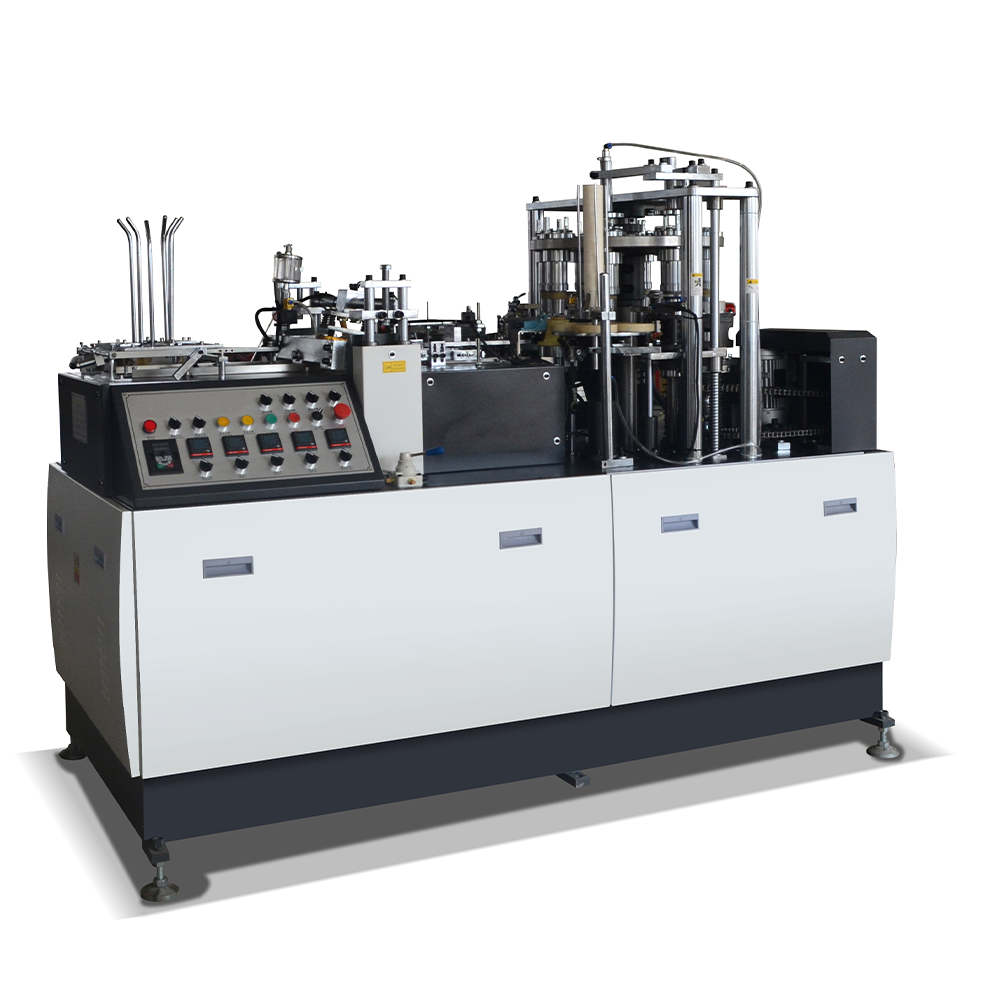
There's Absolutely No Doubt About It! Starting A Small-Scale Paper Cup Manufacturing Business Has Lots and Lots of Opportunities! What you really need to look out for is which paper cup making machine to use. It is the most vital piece of equipment and will determine the efficiency, quality, and profitability of your business. Since you will not know anything about industrial equipment and what to look for, this guide will try to explain the process of choosing the right machine for your business. We will use practical experiences of other business people, like the manufacturers, Bonjee Machine, as a reference.
Know What You Need and What You Want
It is a necessity to clearly define your operational scope. What is the Volume Paper Cup Making Machine for A Start-Up Small Workshop? What is the Volume Paper Cup Making Machine for Large Scale Industrial? Think about, how much do you want to produce per day, per month? What sizes of paper cups do you want to produce? You should know paper cups come in different sizes like 3oz, 7oz, 12oz, 20oz etc. Are you going to change the cup size often? What type of paper stock like weight, coating etc… You need to answer all of these questions before you go and pick the right machine for your business." These will determine your minimum requirements. When you are doing small-scale production, rapidness in output is not everything. Flexibility and ease of operation are as just as important.
Types of Machines: Semi-Automatic vs. Fully Automatic
When speaking of small to medium-scale operations, one will primarily encounter two types of machines: semi-automatics, and fully automatics. A semi-automatic paper glass making machine needs some manual actions, be it the feeding of paper blanks, or the removing of completed cups. It is more budget-friendly, has a lower footprint, and is a good option for a beginner to very low-volume productions or those testing the waters of the market. A fully automatic machine, such as several of the more modern models, has all the steps integrated as one uninterrupted, automated function. It yields a higher output and maintains a similar standard of quality with having less of an operational dependency as well and is perfect for the smaller enterprises that are trying to scale and increase output.
Critical Machine Features and Specifications
Examining particular custom features is important. Look for machines based on output speed (pieces/min.) as a performance indicator. For low volume applications, machines with 30-70 PPM speed are suitable. The machine’s configuration defines the functionality; simpler machines have 5-6 stations for the main processes, while more sophisticated machines have additional stations for features like double-rim curling and leak-proof bottom sealing. The machine should be compatible with your paper roll dimension (width and core diameter), and be able to accommodate various bottom board rolls. Think about the construction of the machine, particularly the motor and heating systems (used for drying adhesives), as well as the overall construction. A precise construction with good materials will provide a good return on investment by minimizing downtime due to robust construction and quality components.
Supplier’s Reputation and Support
The reputation and support of the supplier of your paper glass making machine is of equal importance to the machine itself. Look for companies like Bonjee Machine that specialize in paper cup manufacturing equipment. Look for a supplier with a good reputation, good customer reviews, and good communication. They must have good and detailed technical documents, good instruction for machine choice, and good after-sale support. For a small-scale producer, operational technical support, easy access to spare parts, and operational training are extremely useful in reducing operational problems.
Cost and Return on Investment
Cost is always the first consideration, and rightly so, but from a different perspective, the cost of a paper glass making machine is an investment. The price of a glass making machine varies greatly depending on the level of automation, speed, and features. Beyond the initial purchase price, consider the TCO (total cost of ownership) perspective. This will include, installation, operational expenses (electrical consumption) and maintenance, and the cost of the consumables (paper and PE coated board). When making a purchase, if the supplier is reputable, you’ll find that machine is a bit more expensive, but it’s more reliable, and more efficient. This investment, coupled with quality paper consumables, will drive faster ROI, and reduced waste will operational expenses in the long run.
After Sales and Support
Machine support goes hand in hand with the quality and reliability of the equipment itself. Discuss with the bidder their aftersales support policy. This includes details for onsite installation (or remote supervision), training for the operator and maintenance for the equipment, and warranty terms. Ensure that the training materials and user manual are accessible, interactive, and available for troubleshooting. For smaller-scale operators that do not have an in-house engineering support team, this support system is the safety net that ensures uninterrupted production.
User Safety and Simplified Operations
Lastly, user safety and operational simplicity should be paramount. A small-scale operation will most likely require machines to have safety guards, emergency stop buttons, and operation guides. The ease of control should not be a challenge and may include a touchscreen for user efficient parameter entry. The likelihood of a simplified operational structure is high when a system is designed for ease of access to routine cleaning and maintenance. A machine that is designed for operational simplicity and safety will have fewer accidents, shorter training times, and a smoother production system.
Deciding one of the paper glass making machine for your small business should be a balance of what is needed for today versus what is needed in the future. Determine what your production requirements will be. Understand the machine types. Look for the key attributes. Reputable suppliers inclusive of Bonjee Machine. Determine your cost versus benefits. Determine the level of after sales support. Make that purchase and that machine will be the cornerstone of your paper cup business!