
 EN
EN
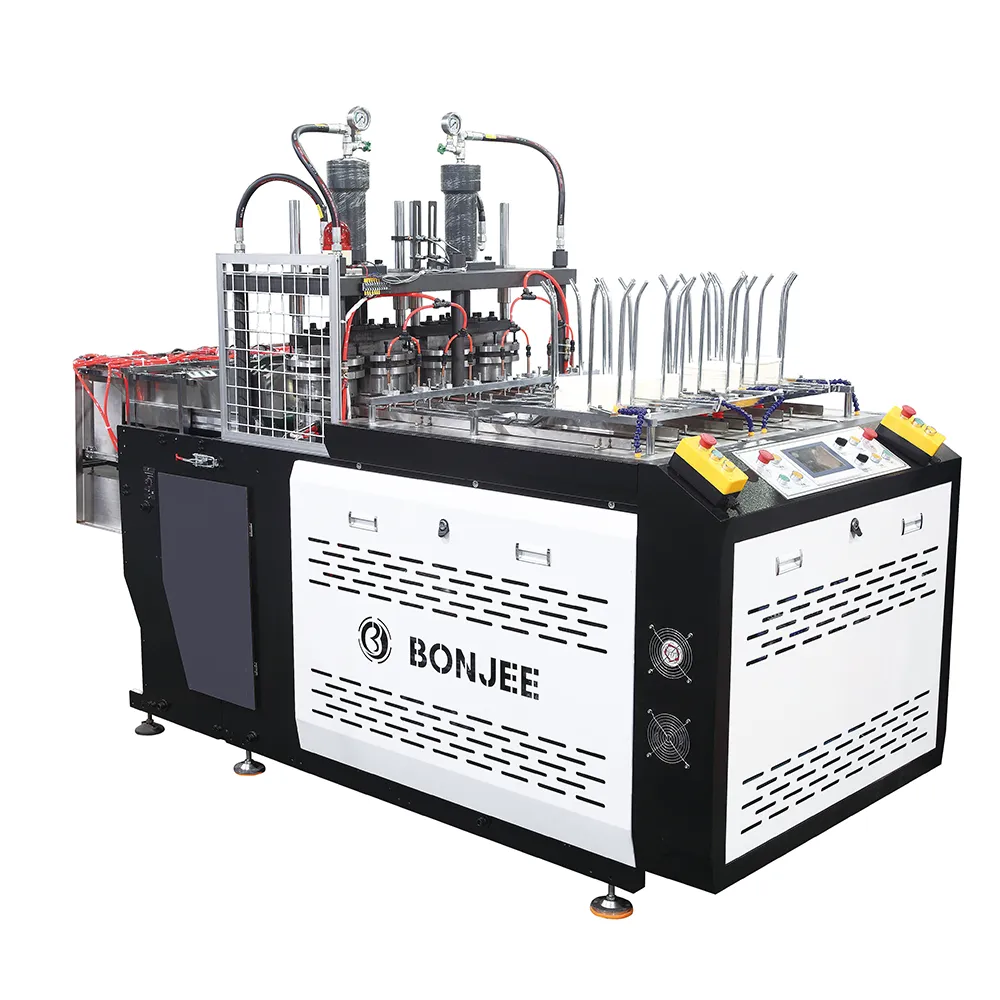
In the ultra-competitive world of catering, choosing the right paper plate machine is fundamental to the operation's efficiency, quality, and bottom line. The industry for eco-friendly takeaway food is thriving, and the purchase of paper plate machines has become strategic for many companies. This guide aims to help the paper plate machine purchases in different catering situations.
Knowing What Your Catering Needs Are
Before looking at the specifications, you have to address the particulars of your catering business, and answer the following questions.
Production Level: On average, how many paper plates do you need to churn out in one business day. This is the main element to determine the machine your business needs.
Size and Shape of the Plate: Do you want standard round plates, square plates, or will you need to have custom shapes for themed events?
Type of Material to Use: Are you looking to use regular plain paper, coated paper on PE, or the more expensive biodegradable paper.
Financial Limitations: What do you want your initial investment to be, and how do you want to handle long term operational costs.
For example, large catering companies that do events with thousands of guests will need high speed fully automatic paper plate machines, while smaller cafes can opt for a more cost balanced semi automatic model.
Different Types of Paper Plate Making Machines
There are different types of paper plate making machines and their advantages are as follows:
Manual Paper Plate Machines
- Best for: Entry-Level Small Businesses
- Features: Hand-operated and simple to use.
- Capacity: 500-1,000 sheets.
- Advantages: Best price, ease of use, and low energy consumption.
Semi-Automatic Machines
- Best for: Medium-Scale Catering Businesses
- Features: Portion of the work is handheld and the others are automatic- it is a hybrid.
- Capacity: 1,000 - 2,500 sheets.
- Advantages: Has a decent cost to productivity balance and requires fewer workers to remove the plates.
Fully-Automatic Machines
- Best for: Large Scale Catering Services and Manufacturers
- Features: Fully automatic with little to no human help.
- Capacity: 3,000+ plates
- Advantages: Highly advanced with features for stacking and feeding.
What To Look For
Specific Criteria
- When it comes to the speed of production, remember that it can be stated in plates per minute or hour. Most high-speed machines can produce 140 plates in 1 minute, so try to find the one that can be as high-speed as possible.
Plates Sizes
- When looking for the machines, it is implied that they can produce plates of different sizes. Most machines can produce plates of 2-16 inches. Make sure that you can find one that can produce the sizes you are looking for.
Material Compatibility: Ensure the machine can accommodate the kind of paper you will be using including the GSM (thickness) and types of coating. If possible try to prototype a few types of paper you will be using to ensure they will work.
Power Requirements: Consider the machines power intake and whether the machine uses single phase or three phase power.
Build Quality: Making sure the machine is built of solid construction materials is important to ensure the machine will hold up and work reliably over a long period of time. Having the machine built out of materials like stainless steel is a sign the machine will work for a long time.
Automation Features: Machines can come equipped with things like PLC touchscreens, self lubricating systems, and paper sensor cutoffs (which stop the machine to prevent having a large wad of paper leftover at the end of the cycle.) Having these automation systems can reduce paper waste.
Environmental and Compliance Considerations:
In today's world, you will want to make sure you are choosing a paper plate machine that will also not go against sustainable practices.
Materials Support: Machines will want to be biodegradable. Being able to support other materials like sugarcane bagasse or other bamboo pulp is a good sign.
Energy Efficiency: This will help lower long term operational costs.
Certifications: Machines will also want to comply with international standards like CE, ISO, and FDA guidelines for food contact materials.
An example is the paper plate machines supplied by Bonjee Machinery who paper plate machines comply with SGS and CE for the safety and quality expected in the catering industry.
After-Sales Service and Long-Term Support
The value of a good paper plate machine is only as good as the backup and assistance available after the sale is completed. These are the possible points to ponder.
Warranty: Get paper plate machines with a warranty that is over 1-2 years, in order to protect your investment.
Technical Support: Make sure that the supplier and manufacturer provides prompt technical support and that spare parts are readily available.
Training: Opt for suppliers who provide train-the-trainer programs so that your in-house personnel can train and support other employees in the effective operation of the paper plate machine
If in International Operations: Look for suppliers that are partnered with Service Centers in the countries you are operating in to reduce your service downtimes.
Making the Final Decision
These are the points to consider when making the final decision.
Return on investment (ROI): Determine the initial cost and weigh it against the expected savings over time as you hire employees and as you reduce your other material costs for the operation.
Scalability: Look for machines that can grow with your operation, give you the flexibility to increase the production and the business as needed.
Customer Reviews: Look for other catering businesses and provide evidence of positive operating feedback for the same machine model.
Demos and Trials: Always ask for a trial before the machine is purchased, and if possible, a demo.
Conclusion
Selecting the best paper plate machine for your catering business can take time and careful thought. Look at your production needs, technical specifications, and goals as you compare your options. The right machine can improve business productivity and help satisfy the growing demand for environmentally friendly paper products.