
 EN
EN
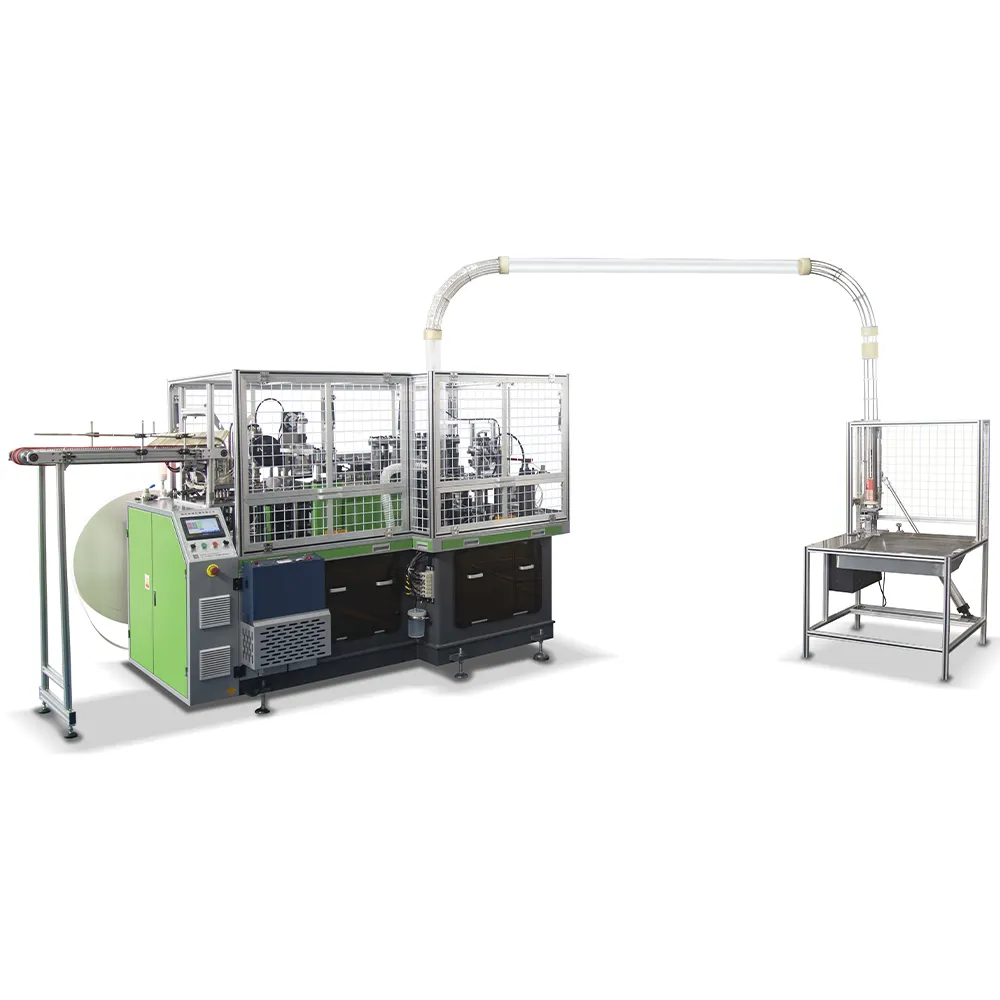
Core Quality Control Protocols for Paper Glass Making Machine Outputs
Implementing rigorous quality control (QC) protocols is non-negotiable for manufacturers using paper glass making machines. These protocols systematically verify product integrity at every production stage, ensuring compliance with international packaging standards—including ISO 2859-1 for sampling and ASTM D642/D4169 for functional validation.
Hot-End and Cold-End Visual, Dimensional, and Surface Integrity Checks
After the forming process is complete, hot end inspections take place right away. During these checks, workers measure how accurate the dimensions are within a tight ±0.3mm range and look for any signs of thermal stress issues through backlight scanning techniques. Once the material has cooled down and stabilized, cold end inspections come into play. These involve both computerized vision systems that scan surfaces and old fashioned hands-on checks to spot problems with coatings or when laminates start to separate from each other. By running these two different types of inspections back to back, manufacturers catch around 98 out of every 100 physical defects before anything gets packed up. That means roughly 22% less waste overall compared to companies that only do one round of quality control. Makes sense really - catching issues early saves money and keeps customers happy.
Defect Classification (Critical/Major/Minor) and AQL-Based Sampling Audits
Defects are categorized by severity using ISO 2859-1 guidelines:
- • Critical: Structural failures compromising safety (e.g., liquid leakage)
- • Major: Functional impairments (e.g., reduced insulation)
- • Minor: Cosmetic flaws (e.g., minor print misalignment)
AQL (Acceptable Quality Level) sampling determines batch acceptance rates, with typical thresholds of 0% critical, 1.0% major, and 2.5% minor defects. Statistical sampling plans reduce inspection time by 40% while maintaining 99.7% defect detection confidence—without sacrificing traceability or regulatory alignment.
Automated Inspection Systems Optimized for Paper Glass Making Machines
Multi-Axis Vision Inspection: Sidewall, Base, Finish, and Seam Analysis
The latest paper glass manufacturing equipment now comes equipped with advanced vision systems featuring high res cameras and optical sensors that check container shapes from all angles at once. These sophisticated setups verify wall thickness in real time within about 0.1mm accuracy, spot tiny cracks forming at the bottom, and examine rim surfaces to ensure proper seals. Special lighting techniques help assess how well seams bond together across sections, catching potential separation issues in those paper-glass blends right before they get filled. The automated checks cut down on mistakes made during manual inspections by nearly half, handling over 120 containers per minute so each one stays within required curves and looks good enough for packaging.
Calibrating Machine Vision for Variable Opacity in Paper-Glass Composite Laminates
Calibrating machine vision systems helps deal with changes in how transparent layered paper and glass materials appear, thanks to smart algorithms that account for different ways light spreads through them. These systems constantly tweak lighting levels and color filters depending on how dense the material gets, which allows spotting hidden flaws like gaps bigger than 0.3 millimeters and problems with coatings. By doing this, they avoid flagging legitimate transparent spots as defects while still hitting about 99.2 percent accuracy when catching real issues throughout manufacturing runs. This kind of precision matters a lot for keeping barriers intact in packaging designed with environmental concerns in mind.
Functional Performance Validation of Paper Glass Containers
Leak Resistance, Compression Strength, and Simulated Distribution Stress Testing
Testing how well containers actually work is important because nobody wants their products to fail when put to real world use. For leak checks, we fill containers and then apply pressure until any weak spots show up. When it comes to strength testing, we look at how much weight they can handle vertically without collapsing, which matters a lot when stacking in warehouses. There's also what we call distribution simulation where we shake them, drop them from various heights, and subject them to impacts just like what happens during shipping, following guidelines set out in ASTM D4169. All these different tests help spot problems early on before anything hits store shelves. The result? Fewer failures after purchase, maybe cutting down issues by around 40 percent according to industry data.
Stiffness, Flexibility, and Barrier Coating Integrity per ASTM D642 and D4169
Rigorous material validation follows standardized methodologies:
- • ASTM D642 determines compressive resistance through controlled loading
- • ASTM D4169 simulates distribution hazards via sequenced vibration and impact cycles
When we talk about stiffness testing, what we're really looking at is how well materials resist bending or deforming when handled normally. Flexibility tests on the other hand check how something holds up when pressure is applied from the sides, basically seeing if it can bounce back after being stressed. For barrier coatings, manufacturers run them through their paces with actual chemicals and abrasive materials to see if they hold up. These tests make sure that all those layers in the laminate stay intact and don't let liquids escape. The whole process of checking these different aspects isn't just about meeting basic food safety standards for paper glass containers either. It's also about making sure these packages can survive whatever rough treatment comes their way throughout shipping and storage without compromising quality.