
 EN
EN
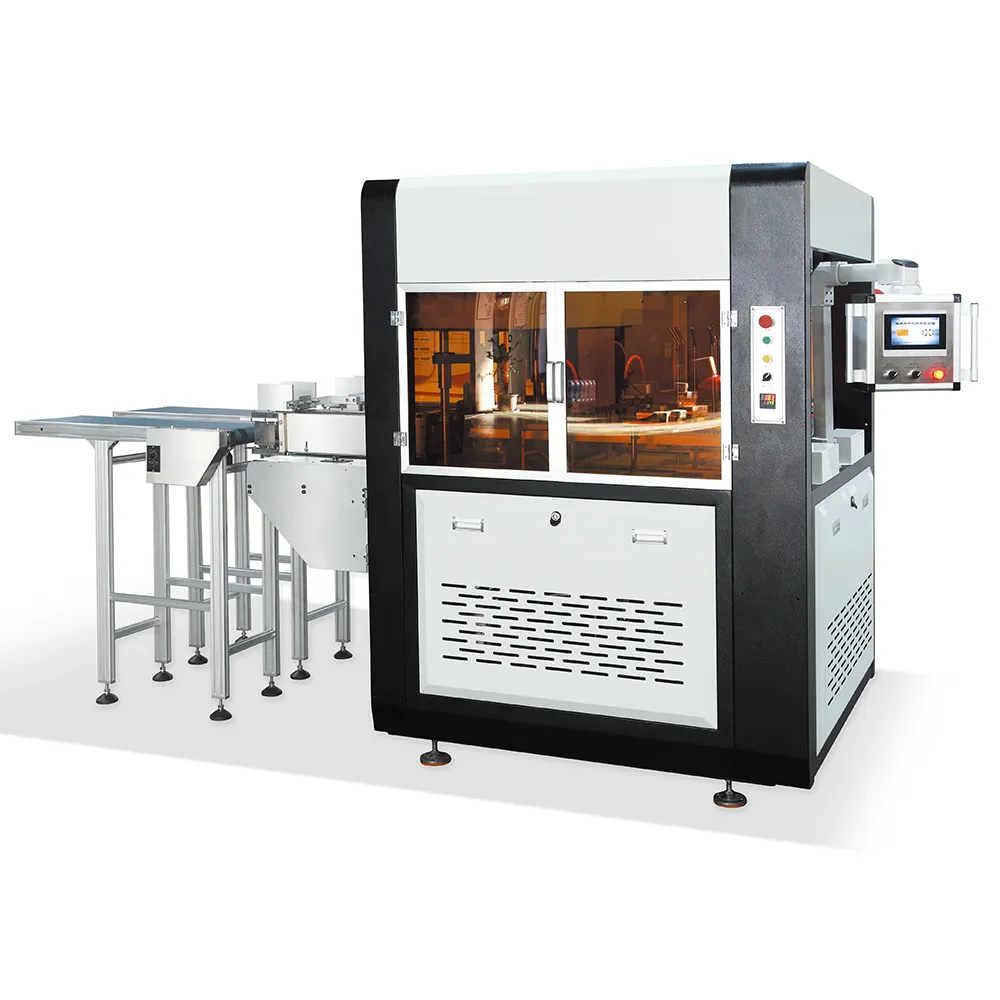
Choosing the right material thickness is integral for the seamless running of a hamburger box machine, as well as the quality and sturdiness of the produced hamburger boxes. For instance, the BJ-B automatic 3D hamburger box machine from Wenzhou Bonjee Machinery, a specialist in professional machines for producing disposable boxes, including hamburger boxes, French fry boxes, and takeout meal boxes, provides clear thickness specifications for optimal functionality. This piece will explain the material thickness specifications for hamburger box machines, focusing on how Bonjee’s BJ-B model fulfills these specifications to satisfy the requirements for mass production.
Why Material Thickness Matters for Hamburger Box Machine Performance
Every hamburger box machine has specific parameters when it comes to material thickness. This affects production speed, and overall energy consumption. Bonjee’s BJ-B hamburger box machine functions optimally with materials that range from 200 to 600 g/m², with 1.5 mm being the maximum thickness for corrugated paper. For materials that are over 1.5 mm in thickness, production speed may drop below 50 pieces per minute, and cause jamming in the feeding and forming sections. This may also lead to overloading the 5.5 KW motor. Materials that are below 200 g/m² also lead to poor box formation due to weak rigidity which causes unstable feeding. The BJ-B machine’s strong structure and low noise levels function optimally in the 200 to 600 g/m² range, ensuring consistent speeds and low downtime.
Types Of Materials And Their Thickness Used By Hamburger Box Machines
The Bonjee BJ-B hamburger box machine is compatible with three main material types and respective thickness ranges.
- Cardboard (200–400 g/m²): Cardboard is lightweight, highly rigid, and easy to form, and is best suited for small to medium-sized hamburgers (e.g., regular single-patty burgers). Production costs are kept low as it dries quickly after being glued. And the BJ-B machine handles this thickness with ease because of the vacuum feeding system.
- Corrugated Paper (400–600 g/m², ≤1.5 mm thick): Compared to standard paper, corrugated paper has better shock absorption and load-bearing capacity. This makes it the premier choice for big burgers (e.g., double-patty burgers with extra toppings) and takeout orders with multiple items. Specially designed for corrugated paper, the BJ-B machine’s molds accommodate up to 1.5 mm thick paper so as to prevent any creases or cracks during the forming.
- PE-Coated Paper (250–500 g/m²): This water-resistant paper is ideal for messy hamburgers (e.g., burgers with ketchup or mayonnaise) and is perfectly suited for hamburgers of higher moisture content. The BJ-B machine takes care of this paper’s temperature-controlled system and ensures strong adhesion with the PE-coated surfaces without damaging the coating.
The Correlation Between Hamburger Box Quality and Thicker Materials
BJ-B focuses on the effects of material thickness on the durability, functionality, and hamburger box user experience. Consider the following examples:
- Thickness of <200 g/m²: Hamburger boxes made of thinner materials buckle under the weight of the hamburger. Box interiors become exposed, allowing toppings and fixings to fall out. These boxes also offer zero water resistance leading to full seepage of the sauce.
- Thickness of 200–600 g/m²: This thickness class achieves an optimum combination of rigidity and flexibility. Boxes made by BJ-B’s hamburger box machine in this range can cock up to 300 to 500 grams of hamburgers without undergoing any deformation, and the machine’s precise sealing mechanism keeps sauces from leaking due to tight seals.
- Thickness of over 1.5 mm: Inferior quality control and loss of material cause boxes to be made of overly rigid and thick materials. Additionally, folding the boxes made of this material becomes harder, leading to uneven edges and poor bonding, which may be incomplete. The pressure control system of the BJ-B machine is designed to identify this excessive thickness and will signal an alert, thus no defective boxes will be produced.
Bonjee BJ-B Hamburger Box Machine Adaptability Design for Material Thickness
Bonjee's BJ-B hamburger box machine design combines several features to effectively operate within the 200-600 g/m² material thickness range. These features are an example of the versatile and reliable design that Bonjee strives to achieve.
- Adjustable Feeding Mechanism: The machine's feeding mechanism has an adjustable feeding tray that is tailored to accommodate varied thicknesses of material, thus avoiding paper alignment complications and feed jams. For thinner paper in the 200-300 g/m² range, the tray pressure is less so that paper tears are avoided. When feeding thicker corrugated paper, in the 400 -600 g/m² range, pressure is increased for more stable feeding.
- Robust Motors and Transmission: The 5.5 KW motor has more than enough power to handle thicker sheets of corrugated paper. The chain drive system gives smooth operation and minimizes the vibrations that are necessary for precise thicker material formation.
- Easy Mold Replacement: The design of the BJ-B machine provides for quick mold substitutions that accommodate varied box size requirements and material thicknesses. For example, changing from a mold that is designed for 200 g/m² cardboard boxes to one for 600 g/m² corrugated boxes can be accomplished in less than 30 minutes. This design minimizes production downtime.
Practical Suggestions for Choosing Material Thickness for Your Hamburger Box Machine
To get the best value from your Bonjee BJ-B hamburger box machine, the following are practical tips for producing good quality boxes:
- Thickness Equals Hamburger Size: For small hamburgers (≤150 grams), you can use 200–300 g/m² cardboard, which is more cost effective. For larger hamburgers (>300 grams), use 400–600 g/m² corrugated paper for greater strength.
- Think About How They Will Be Used: Do your boxes contain the potential to get soggy (pickles, sauce)? Then use 250–500 g/m² PE-coated paper to avoid leakage.
- Do Not Exceed Maximum Thickness: Do not use more than 1.5 mm of material with the BJ-B machine. This can cause mold damage, motor overload, more frequent problems, and greater maintenance costs.
- Have a Chat with Technical Support: Bonjee can provide you with the best thickness recommendations tailored to your production needs (daily output, box design, etc.) for best results with your BJ-B hamburger box machine.
What Can Happen If You Ignore Material Thickness When Using a Hamburger Box Machine
Not following the thickness of the material can create a lot of issues for your hamburger box machine and production line. Problems that the BJ-B machine helps with, but can’t get rid of completely:
- Machine Issues: When material is too thick, the feeding roller can get stuck, which can burn out the motor, or wear down the gear. The BJ-B machine has an emergency stop to lessen this risk, but if it keeps being overloaded, it will shorten the life of the machine.
- Bad Quality Products: When boxes are made with mismatched thicknesses, they can have uneven edges, weak seals, or poor load-bearing capacity. This can lead to customer complaints and wasted materials.
- Less Efficiency: If there are a lot of jams and rework due to the wrong thickness, this can cut production speed by 30% or more, even for machines like the BJ-B that are designed for high performance.
Table of Contents
- Why Material Thickness Matters for Hamburger Box Machine Performance
- Types Of Materials And Their Thickness Used By Hamburger Box Machines
- The Correlation Between Hamburger Box Quality and Thicker Materials
- Bonjee BJ-B Hamburger Box Machine Adaptability Design for Material Thickness
- Practical Suggestions for Choosing Material Thickness for Your Hamburger Box Machine
- What Can Happen If You Ignore Material Thickness When Using a Hamburger Box Machine