
 EN
EN
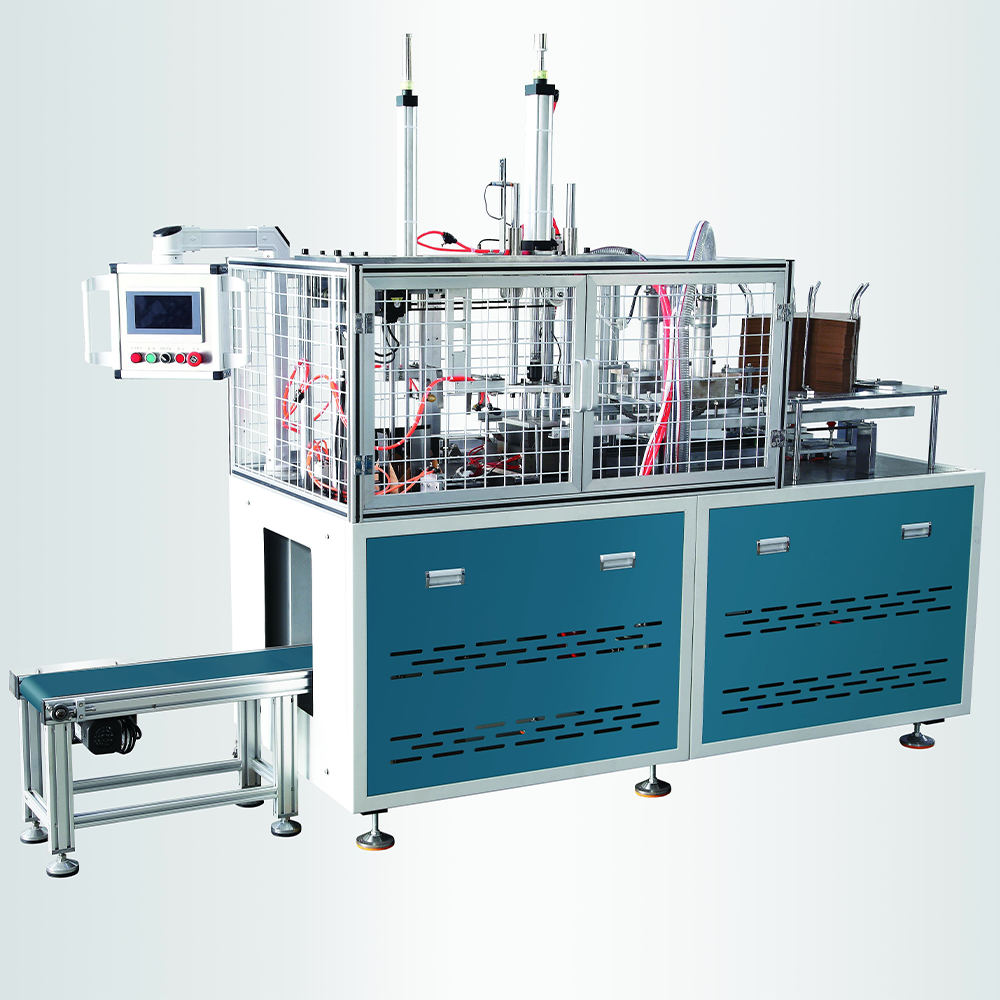
Kiirtoidukastite masina ostmisel tööstuslikuks tootmiseks on energiatõhusus muutunud sama oluliseks kaaluteluks nagu tootmiskiirus ja vormimisega seotud kvaliteet. Tõusvad elektrihinnad tootmispiirkondades Aasias, Euroopas ja Ameerikas tähendavad seda, et kiirtoidukastite masina pidev energiatarve võib ületada selle esialgse ostuhinna tavalise 5–8 aasta kasutusaja jooksul. Ostuhaldajatele ja tootmisjuhtidele, kes hindavad varustust, on oluline teada, millised energiasäästvad funktsioonid tagavad tegelikke säästu ja millised on turundusväited, millel on piiratud praktiline mõju, et teha kaalutletud kapitaliinvesteering. See juhend vaatab üle peamised energiasäästvad tehnoloogiad, mis on saadaval kaasaegsetes kiirtoidukastite masinates, ning selgitab, kuidas hinnata nende praktilist väärtust.
Servomootoriga juhtimine hüdrauliliste süsteemide vastu
Üheks olulisimaks valikuks, mis mõjutab kiirtoitumoodulite masina energiatõhusust, on juhtsüsteemi tüüp. Tänapäevased hüdraulilised süsteemid kasutavad elektrimootorit, et käivitada hüdraulikapumpa, mis töötab pidevalt tootmisprotsessi ajal ja säilitab süsteemi rõhu sõltumata sellest, kas masin on aktiivselt kastit moodustamas või ootab tsüklite vahel. Selle pideva tööga konstruktsiooni tõttu tarbib hüdrauliline kiirtoitumoodulite masin ka siis põhimahtu energiat, kui see tootmisprotsessi ajal pausil on. Vastandena kasutab servojuhtimisega kiirtoitumoodulite masin elektrilisi servomootoreid, mis tarbivad voolu ainult siis, kui nad teevad tööd. Kastide moodustamise tsüklite vahel on servomootorid seismas ja tarbivad peaaegu null energiat. Praktiline erinevus on oluline: servojuhtimisega kiirtoitumoodulite masinad tarbivad tavaliselt 20–40 protsenti vähem elektrienergiat kui sama võimsusega hüdraulilised mudelid. Servomasina hindamisel tuleb kontrollida, kas see kasutab täielikku servosüsteemi või hübriidsüsteemi. Täielikus servosüsteemis, kus kõik olulisemad liikumised – sealhulgas toitmine, surve ja väljavise – toimuvad eraldi servomootorite abil, saavutatakse maksimaalne energiasääst. Hübriidsüsteemid, kus servomootorid on kasutusel ainult valitud telgedel, pakuvad keskmist tõhusust. Servoteknoloogia kõrgem algkulu taastub tavaliselt elektrienergia säästude teel 18–36 kuu jooksul, sõltuvalt kohalikest energiahindadest ja tootmistundadest.
Täisautomaatne soojusregulaator ja soojusjuhtimine
Soojutus on kiirtoitu kastimismasinas suurim üksikenergiatarbija, kuna vormiplaatide temperatuur peab olema pidevalt stabiilne, tavaliselt 180–220 °C vahemikus, et PE-kattega või rasvukindlaks tehtud paberist saaks korrektselt toidukastid. Soojutussüsteemi tõhusus sõltub kolmest tegurist: soojutuselementide kvaliteedist, temperatuurijuhtimissüsteemi täpsusest ja vormikoostise ümber oleva soojusisolatsiooni tõhususest. Otsige masinaid, millel on PID-temperatuurijuhtimissüsteemid, mis kasutavad propordionaalset-integraalset-diferentsiaalset algoritmi, et säilitada väga kitsad temperatuurivahemikud minimaalse ülekiirenduse ja tsükeldumisega. Hästi seadistatud PID-juhtimissüsteem võib soojutuselementide sisselülitumise sagedust vähendada 20–30 protsenti lihtsamate sisse-välja termostaatide võrdluses, mis viib otse väiksemale energiatarbimisele. Mitmealuseline soojutusjuhtimine on veel üks väärtuslik funktsioon. Masinatel, millel on eraldi juhitavad soojutusalad erinevatele vormiosadele, saab kõrgemat temperatuuri rakendada ainult seal, kus seda vajatakse – näiteks nurkades, kus on vaja sügavamat kujutamist – samal ajal kui tasaste osade temperatuuri saab hoida madalamal. See aluslik lähenemine võib vähendada kogu soojutusenergiat 10–15 protsenti ühealuseliste süsteemide võrdluses. Samuti on äärmiselt oluline soojusisolatsiooni kvaliteet. Masinad, mille soojutusplaadid ja vormikoostised on ümbritsetud keramiikakiu isolatsiooniga, kaotavad vähem soodet ümbritsevasse keskkonda, vähendades seega energiat, mida on vaja töötemperatuuri säilitamiseks, ning parandades töökoha ohutust, hoides välispinnade temperatuuri madalamal.
Kahe rajaga ja mitme tööpinnaga disaini tõhusus
Tootlikkuse koefitsient kilovattis on sageli vaadeldav energiatõhususe aspekt kiirtoitpakendite masinates. Masin, mis toodab ühel liinil 160 pakendit minutis, võib tunduda efektiivne, kuid kui kahe liiniga konfiguratsioon toodab vaid mõnedega suurendatud võimsustarvet 200 pakendit minutis, siis toodetud ühiku energiakulu on oluliselt väiksem. Kahe liiniga kiirtoitpakendite masinad jagavad ühist soojendussüsteemi, raami ja juhtimisinfrastruktuuri kahe paralleelse kujutusliini vahel. Kuigi kogu võimsustarve on suurem kui ühe liiniga masinal, ei ole suurenemine proportsionaalne, sest püsivad koormused – näiteks juhtsüsteem ja osa soojendussüsteemist – on jagatud. Tulemuseks on see, et kahe liiniga masin saab toota 40–60% rohkem toodangut vaid 15–25% suurema võimsustarvega, mis annab sellele selge eelise energiakulu kohta ühiku kohta. Mitmepunktilised pöörlevad konstruktsioonid laiendavad seda põhimõtet veelgi. Neljapunktiline pöörlev kiirtoitpakendite masin võimaldab samaaegselt toimetada toitmist, soojendamist, kujutamist ja väljaviskamist, hoides ajamimootorid nende kõige efektiivsemas töörežiimis ja vähendades tsüklite vahelist ooteloleku aega. Masinatega tutvumisel paluge tootjalt konkreetseid andmeid energiatarbeks, mis on esitatud kilovatt-tundides tuhande pakendi kohta, mitte piirdudes ainult mootori nimivõimsuse andmetega.
Täisautomaatne ooteseis ja võimsuse haldussüsteemid
Kaasaegsed kiirtoitukastide masinad sisaldavad üha rohkem intelligentsed võimsuse haldusfunktsioonid, mida vanema põlvkonna seadmetes ei olnud. Kasulikum neist on automaatne ooterežiim. Kui masin tuvastab, et konfigureeritava aegumise jooksul – tavaliselt 3–5 minutit – ei toimu paberimaterjali sissetoimet, vähendab see automaatselt soojutusseadme võimsust hooldustasemele umbes 80–100 °C ja lülitab juhtmotorid väikse võimsusega ooteseisusse. See takistab masina täielikku tootmismõõdet kasutamist lõunapausil, töövahetustel või materjalide täiendamisel. Kui tootmine taastub, jõuab masin töötemperatuurile 5–10 minutiga, mitte vajades täielikku külmkäivitussoojendust. Tootmisgraafiku integreerimine on veel üks uus funktsioon. Mõned tänapäevased kiirtoitukastide masinad suudavad suhelda tehase tootmisplaneerimissüsteemidega ning soojendada ennast ainult siis, kui plaanitud tootmisrada on lähimas, mitte jättes masinat terve tööaja jooksul pidevalt sisse lülitatuna. Eeldav võimsuse jälgimine, mis jälgib energiatarbimist iga töövahetuse kohta ja teavitab töötajaid ebatavalistest tarbimiskasvudest, mis võivad viidata arenevatele mehaanilistele probleemidele, on saadaval ka kõrgema klassi mudelitel. Sellised süsteemid suudavad tuvastada aeglaselt toimuvaid tõhususe languseid, näiteks kulunud laagrite tõttu suurenevaid mootorikoormusi, enne kui need ilmnevad toote kvaliteediprobleemidena.
Ostja hindamissenaario
Kiirtoitpakendite tarnija hindas kahte kiirtoitkastide masinat uue tootmisliini jaoks, mis valmistab hamburgerikaste ja pruunitud kastikekaste. Valik A oli ühelõikeline hüdrauliline masin, mille võimsus oli 130 tükki minutis ja mille mootor oli 15 kilovattine. Valik B oli kahele lõikele ehitatud servojuhtimisega masin, mille võimsus oli 200 tükki minutis ja mille mootor oli 22 kilovattine. Esmapilgul näis valik B suuremat energiatarbimist. Kuid ühiku kohta arvutades tarbis hüdrauliline masin umbes 0,115 kilovatt-tundi tuhande kasti kohta, samas kui kahele lõikele ehitatud servo-masin tarbis 0,073 kilovatt-tundi tuhande kasti kohta, st 37-protsendiline paranevus. 6000-tunnise tootmisaasta jooksul säästaks servo-masin umbes 50 000 kilovatt-tundi, mis vastab mitmekümnel tuhandel dollariel aastas elektrienergiakuludes, sõltuvalt kohalikest hindadest. Kaalutud masin oli varustatud PLC-juhtimissüsteemiga, rahvusvaheliste brändide komponentidega ning oli sertifitseeritud CE ja ISO standardite järgi ja ehitatud kõrgtugevusega terasest raamist. Pakenditarnija valis ühiku kohta tehtud energiatõhususe analüüsi põhjal kahele lõikele ehitatud servo-valiku ning täiendav kapitalikulu tasus end energiasäästudest umbes 24 kuu jooksul.
Täiskasutuskulude hindamine nimeplaatvõimsusest kaugemale
Kiirtoitpakendite masina ostmisel tuleb teha kaalutletud otsus, pöördudes tähelepanu mitte ainult mootori nimisildile märgitud võimsusele, vaid ka kogu elutsükli energiakuludele. Paluge tootjalt või tarnijalt üksikasjalik energiatarbimise profiil konkreetse mudeli kohta, mitte ainult paigaldatud mootori võimsus. Profiil peaks sisaldama käivitusvõimsust, stabiilse tootmise ajal tarbitavat energiat, ooteseisu võimsust ning erinevate pakendite suuruste ja paberisortide kasutamise mõju energiatarbimisele. Veenduge, kas masin kasutab rahvusvahuliselt tunnustatud energiasäästlikke komponente. Elektrikomponendid, mille tootjad on näiteks Siemens, Schneider ja Delta, on laialdaselt kasutusel tööstusmasinates ja vastavad rahvusvahelistele tõhususstandarditele. Masinad, millel on CE- ja ISO-sertifikaadid, annavad sõltumatu kinnituse selle kohta, et seade on testitud ja vastab kindlaksmääratud toimivusnõuetele, sealhulgas elektriohutus- ja tõhususparameetritele. Kaaluge ka energiasäästlike komponentide pikaajalist hooldatavust. Servojuhtimise või muutuvate sagedustega juhtimise seade, mis läheb garantiiperioodi möödudes rikki ja mille asendamine nõuab kallist spetsialistlikku teenust, võib kustutada aastate pikkused energiasäästud. Enne ostu küsige, kas asendusjuhtimised, soojendusseadmed ja juhtplaatid on saadaval ning kui palju need maksavad.
Mis on kõige energiatõhusam juhtimissüsteem kiirtoitumooduli jaoks?
Täielik servo-mootorijuhtimissüsteem on kõige energiatõhusam valik kiirtoitumooduli jaoks. See kõrvaldab pidevalt töötava hüdraulikapumba ja kasutab elektrilisi servo-mootoreid, mis tarbivad energiat ainult aktiivsete vormimistsüklite ajal. Servojuhtimisega masinad tarbivad tavaliselt 20–40 protsenti vähem elektrienergiat kui nende hüdraulilised analoogid.
Kuidas säästab kahevooguline kiirtoitumoodul energiat võrreldes kahe ühevoogulisega masinaga?
Kahevoogulised kiirtoitumoodulid jagavad ühiseid süsteeme, sealhulgas peamist soojendusüksust, juhtplokki ja masinaraami. Selle jagamise tõttu on kogu võimsustarbimine ainult 15–25 protsenti kõrgem kui ühevoogulise masina puhul, samas kui tootlus suureneb 40–60 protsenti. Kahe eraldiseisva ühevoogulisega masina käivitamine suurendaks ligikaudu kahekordselt kogu energiatarbimist sama kogu väljundiga.
Kuidas saan enne kiirtoitumooduli ostu kontrollida selle reaalajas energiatarbimist?
Taotle konkreetse energiatarbimise andmeid tootjalt, mida väljendatakse kilovatt-tundides tuhandis toodetud kastis, mitte ainult mootori nimivõimsuses. Küsi testandmeid masinatelt, mis töötavad tegelikus tootmiskeskkonnas, ja külasta võimaluse korral viitekohta, et vaadata masina tööd ja üle vaadata tootmisliini elektriarveid.