
 EN
EN
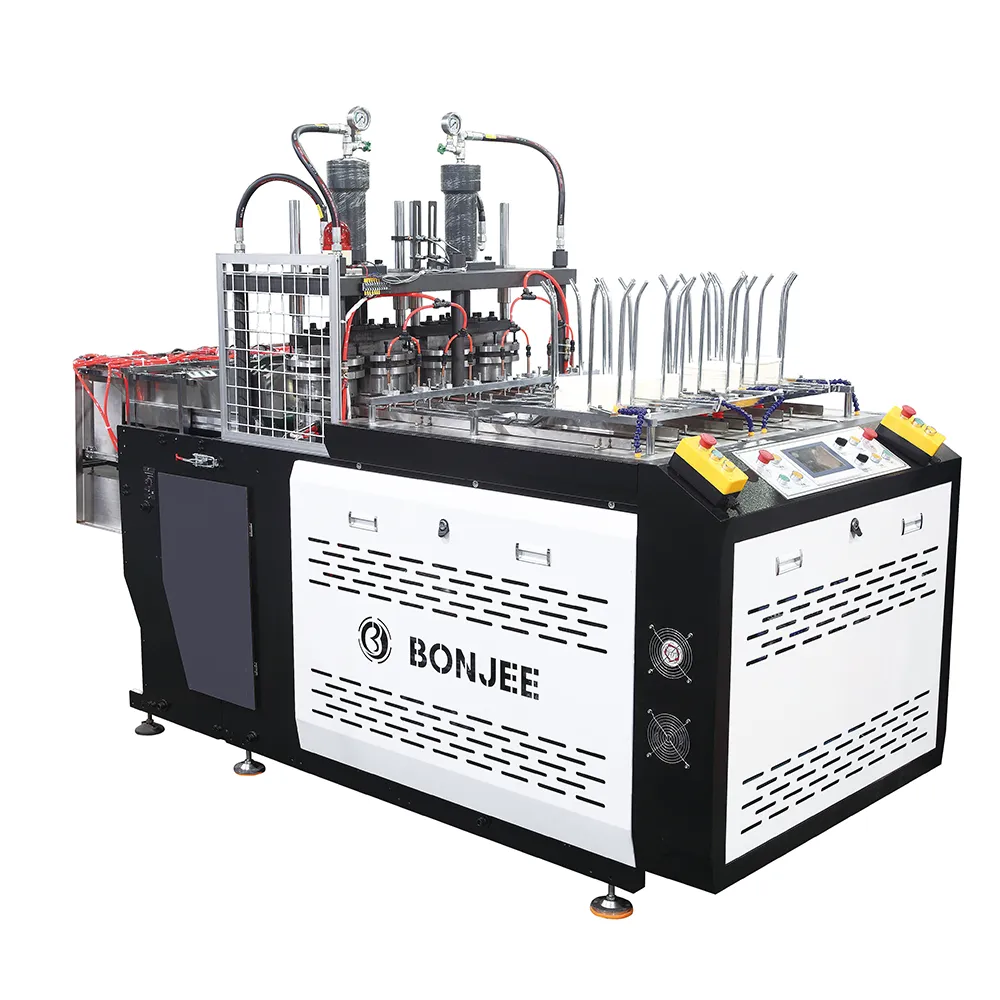
For industrial paper plate manufacturers, energy consumption is one of the largest ongoing operational costs. A paper plate machine running at full capacity in a multi-shift production environment can account for a significant share of a facility's electricity bill. The heating elements, hydraulic pumps, and drive motors in these machines often run continuously, and even modest improvements in energy efficiency can translate into substantial annual savings. Understanding where energy is being used, and where it can be conserved, is the first step toward building a leaner, more competitive operation.
Understanding Your Machine's Power Consumption Profile
Before implementing any energy-saving measures, operators should understand how their specific paper plate machine consumes electricity. The three primary energy consumers in a typical hydraulic paper plate machine are the heating system, the hydraulic pump motor, and the auxiliary drive motors for feeding and stacking. Heating elements consume the most power, particularly during startup when the mold plates need to reach operating temperature, typically between 180 and 220 degrees Celsius depending on paper thickness and coating. Once at temperature, the heating system cycles on and off to maintain consistency. The hydraulic pump represents the second largest power draw, running continuously during production to maintain line pressure for the pressing and curling stages. Auxiliary motors for paper feeding and finished product stacking are comparatively low consumers but still contribute to total energy use. A useful exercise is to install separate power meters on each subsystem to identify exactly where energy is being consumed and establish a baseline before making changes.
Optimizing Heating and Hydraulic Systems
The heating system offers the single largest opportunity for energy savings on a paper plate machine. One practical step is to reduce the preheating idle time. Many operators start their machine 30 to 45 minutes before production begins, but with high-quality heating elements and properly insulated mold assemblies, the required temperature can often be reached in 15 to 20 minutes. Installing temperature sensors with tighter control bands can reduce the frequency of heating element activation during production, trimming 5 to 10 percent from heating-related energy use. On the hydraulic side, one common inefficiency is excessively high system pressure. Many machines ship with the hydraulic relief valve set to a higher pressure than needed for typical paper weights. Adjusting the pressure to the minimum level required for the specific paper grade being run can reduce pump motor load. Some manufacturers now use variable-frequency drives on hydraulic pump motors, which match pump speed to actual demand rather than running at constant full speed. This approach has been shown to cut hydraulic energy consumption by as much as 30 percent compared to fixed-speed configurations.
Leveraging Servo Drive Technology for Energy Efficiency
The shift from hydraulic to servo-driven paper plate machines represents a meaningful step change in energy efficiency. A full servo motor paper plate machine eliminates the hydraulic power unit entirely, replacing it with electric servo motors that draw power only when performing work. Unlike a hydraulic pump that runs continuously, servo motors are at rest between cycles, effectively eliminating standby power consumption. Additionally, servo systems can recover energy during deceleration and feed it back into the system. In practical terms, operators running a servo-driven machine such as those using dual-servo configurations have reported electricity savings of 20 to 40 percent compared to hydraulic models of equivalent output capacity. For manufacturers evaluating new equipment, the higher initial cost of servo technology should be weighed against long-term energy savings. For those not ready to invest in new machinery, retrofitting existing hydraulic machines with servo-controlled pump systems can provide an intermediate improvement. In such a retrofit, the servo drive regulates the hydraulic pump output to match real-time demand rather than maintaining constant full flow. While not as efficient as a fully servo-driven machine, this approach can still deliver a 15 to 25 percent reduction in pump motor energy consumption.
Smart Standby and Production Scheduling
Production scheduling has a direct impact on total energy consumption. A paper plate machine that runs continuously across three shifts with proper batch sequencing will be more energy-efficient than one that starts and stops multiple times per day, because each cold start requires a full heating cycle. Where production volumes do not support continuous operation, configuring the machine to enter a low-power standby mode between batches is an effective strategy. In standby mode, the heating elements maintain a reduced temperature of about 80 to 100 degrees Celsius rather than cooling to ambient, and the hydraulic pump drops to idle pressure. This means the machine can resume production in 5 to 10 minutes instead of requiring a full 20-minute preheat, saving significant energy per restart. Operators should also look at their production mix. Running thinner paper grades first, then progressively thicker grades, allows the heating system to ramp up naturally rather than cycling down and back up, which wastes energy.
A Practical Application Scenario
Consider a mid-sized disposable tableware manufacturer running two hydraulic paper plate machines for an average of 16 hours per day. By implementing a combination of measures, including reducing preheat time from 30 to 18 minutes through better mold insulation, adjusting hydraulic pressure to match actual paper grades, and configuring standby mode during 30-minute lunch breaks instead of shutting down completely, the facility reduced its daily electricity consumption by approximately 18 percent over a six-month period. The equipment included machines with PLC-controlled heating that operated with international-brand electrical components such as Siemens, Schneider, and Delta elements, and NSK bearings. Built on high-strength steel frames with CE and SGS certification, the equipment maintained consistent product quality while consuming less energy. The most impactful single change was the standby mode configuration, which alone accounted for roughly half the total savings. This example illustrates that meaningful energy savings do not always require capital expenditure; operational discipline and proper configuration often deliver the fastest payback.
Regular Maintenance as an Energy-Saving Practice
Maintenance is rarely discussed as an energy-saving strategy, but it directly affects how efficiently a paper plate machine runs. Worn hydraulic seals cause internal leakage that forces the pump to work harder to maintain pressure, silently increasing energy consumption. Mineral buildup on heating elements reduces heat transfer efficiency, requiring longer heating cycles. Misaligned or poorly lubricated bearings increase mechanical resistance, adding unnecessary load on drive motors. A structured preventive maintenance schedule that includes monthly inspection of hydraulic seals, quarterly cleaning of heating element surfaces, and weekly lubrication of all bearing points can prevent these gradual efficiency losses. The 24-hour continuous run testing that some manufacturers perform before shipment establishes a performance baseline, but only ongoing maintenance preserves that baseline over months and years of production.
What is the most energy-efficient type of paper plate machine available?
Fully servo-driven paper plate machines are currently the most energy-efficient option because they eliminate the continuously running hydraulic pump and use electric servo motors that draw power only when performing work. These machines can achieve energy savings of 20 to 40 percent compared to traditional hydraulic models with equivalent output capacity.
How much can a manufacturer save by optimizing heating system settings on a paper plate machine?
Heating system optimization alone can reduce energy consumption by 5 to 10 percent. The main opportunities are reducing preheating time by improving mold insulation, installing temperature controllers with tighter setpoint bands, and scheduling production to minimize the number of cold starts per day.
Does using thinner paper reduce energy consumption on a paper plate machine?
Yes, to an extent. Thinner paper requires lower mold temperatures and less hydraulic pressure to form, which reduces energy draw. However, the difference is modest and should be weighed against product quality requirements. The most reliable energy savings come from machine configuration and operational practices rather than material changes.