
 EN
EN
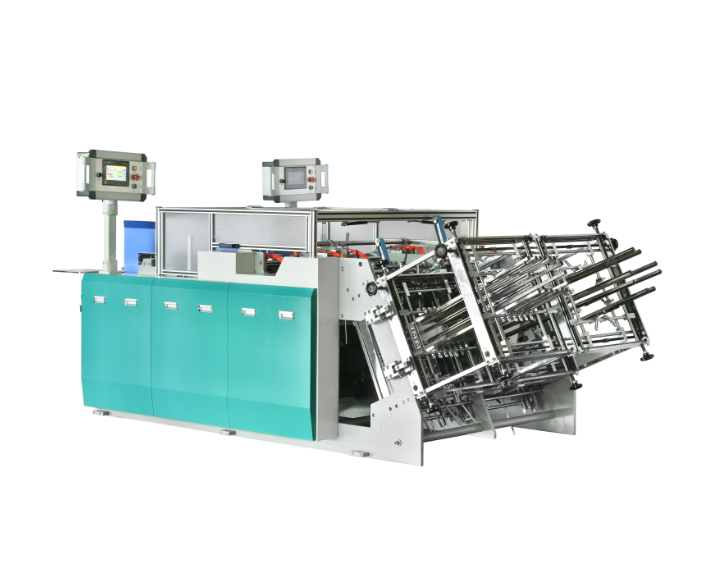
Identify the Primary Root Causes of Carton Erecting Machine Jams
Material-Related Causes: Corrugated Quality, Moisture Content, and Scoring Defects
Poor corrugated board quality is a leading cause of jams. Blanks with inconsistent flute strength or low burst resistance buckle under mechanical pressure during erection. High moisture content weakens fiber bonds, making the board too soft to hold its shape; conversely, overly dry board becomes brittle and cracks at score lines—creating flaps that fail to fold cleanly. Scoring defects—including shallow, misaligned, or uneven creases—prevent the blank from forming a true rectangle, causing misalignment in the erecting mechanism. Even minor dimensional variations (e.g., height, width, or flap length) can stall the feeder. To mitigate these risks, suppliers should certify board specifications against industry standards like TAPPI T 811 (burst strength) and T 822 (moisture content), and operators should conduct incoming material checks for caliper, moisture (target: 6–8%), and score depth. Storing corrugated panels in conditioned environments at 50%–65% relative humidity stabilizes performance before feeding.
Machine-Related Causes: Misalignment, Inconsistent Feeding, and Glue Application Errors
Mechanical alignment directly influences jam frequency. Non-parallel magazine side guides cause stack shifting and skewed feeding. Worn belt conveyors, misadjusted vacuum cups, or bent flap folders introduce timing errors—resulting in folded boxes striking the frame instead of entering the downstream conveyor. Inconsistent feeding commonly stems from degraded suction components: cracked cups, clogged filters, or low vacuum pressure (<18 inHg) compromise single-blank pickup. Glue application errors also trigger jams—excess adhesive causes premature flap sticking; insufficient glue leads to weak seals that pop open mid-cycle. A calibration check of nozzle position, temperature (typically 140–160°F for hot-melt), and flow rate resolves most adhesion-related stops. Regular inspection of these parameters—combined with a documented setup procedure aligned with OEM guidelines—reduces repeat jams by up to 70%, according to packaging maintenance benchmarks from the Association for Packaging and Processing Technologies (PMMI).
Apply a Step-by-Step Troubleshooting Workflow for Carton Erecting Machine Jams
A structured, step-by-step approach minimizes downtime when a carton erecting machine jams. Begin by isolating the origin, then validate the mechanical settings to restore proper operation.
Phase 1: Isolate the Jam Origin — Inspect Blanks, Feeders, and Glue Stations
Start with the carton blanks: inspect for damaged corrugation, excessive moisture, or scoring defects that inhibit clean folding. Next, examine the feeder system—look for worn suction cups, misaligned belts, or debris on guide rails that cause angled feeding. At the glue station, check for clogged nozzles, inconsistent bead patterns, or incorrect adhesive temperature—all of which can cause premature sticking or seal failure. Clear any residue along the folding path using compressed air (≤80 psi). Always power down and lock out the machine before clearing a jammed carton. This initial inspection quickly determines whether the root cause lies in material quality or feed-system integrity.
Phase 2: Validate Mechanical Settings — Timing, Pressure, and Sensor Calibration
Mechanical settings directly influence jam frequency. Verify folding plate timing against blank speed using strobe-light verification or encoder-based diagnostics. Adjust pneumatic air pressure: too low (<60 psi) results in weak folding action; too high (>90 psi) may deform cartons. Confirm sensor alignment and sensitivity—misaligned photoelectric or capacitive sensors may miss flaps or trigger false stops. Calibrate glue nozzle timing so adhesive is applied only when the flap is fully positioned. Re-test at reduced speed (e.g., 30% of rated capacity), then gradually increase while monitoring fold accuracy and seal integrity. Document all adjustments in the machine’s logbook to support predictive maintenance and future troubleshooting.
Implement Proven Preventive Measures to Reduce Carton Erecting Machine Downtime
Reducing unexpected stoppages starts with a structured preventive maintenance (PM) schedule grounded in OEM recommendations and real-world operational data. Weekly inspections catch early signs of wear, misalignment, or sensor drift before they escalate into jams. A consistent lubrication program—using ISO VG 68 hydraulic oil on cam followers and food-grade grease on hinge points—keeps moving parts operating smoothly. Timely replacement of high-wear components—such as vacuum cups every 3–6 months and feed belts annually—prevents sudden failures. Calibrating pressure regulators, timing cams, and glue dispensing systems during routine PM maintains forming accuracy and reduces misfeeds. When followed systematically and supported by digital maintenance logs, this approach cuts unplanned downtime by an average of 45% across Tier-1 consumer goods facilities, per a 2023 PMMI benchmarking report.
Leverage Maintenance Best Practices and Operator Training for Long-Term Jam Reduction
Scheduled Cleaning, Lubrication, and Wear-Part Inspection Protocols
A disciplined maintenance schedule directly reduces jams. Dust, dried adhesive residue, and worn components disrupt blank feeding and forming precision. Implement daily cleaning of feed belts, glue nozzles, and guide rails using lint-free cloths and approved solvents—not water-based cleaners that degrade rubber components. Lubricate hinge points, cam followers, and linear bearings per OEM intervals using compatible, non-migrating lubricants. Replace wear parts—including grippers, vacuum cups, and cutting dies—according to usage hours or cycle counts, not calendar time. Log each inspection in a centralized CMMS to identify recurring failure modes and optimize part-replacement intervals. This proactive discipline keeps the machine running at peak efficiency and slashes unplanned downtime.
Standardized Operator Checklists and Real-Time Jam Response Drills
Operators are the first line of defense against jams. Standardized pre-shift checklists ensure verification of material quality (e.g., moisture test strips, score-depth gauge), machine settings (glue temp, vacuum pressure, belt tension), and sensor status (clean lens, correct gap). Train operators to recognize early warning signs—such as intermittent feeding, unusual bearing noise, or inconsistent glue bead width—and empower them to stop the line immediately. Conduct quarterly jam-response drills that simulate common failure scenarios, emphasizing safe lockout/tagout, non-damaging clearance techniques, and post-clearance validation steps. When operators follow clear, evidence-based procedures—and report subtle irregularities before they become failures—the carton erecting machine remains in specification, and jams shift from daily disruptions to rare exceptions.
FAQ Section
What are the main material-related causes of carton erecting machine jams?
Key material-related causes include poor corrugated board quality, incorrect moisture content, and scoring defects. Inconsistent flute strength, high or low moisture levels, and shallow or misaligned creases all contribute to jams.
How can I prevent machine-related jams in a carton erecting machine?
To prevent jams, ensure proper mechanical alignment, consistent feeding through functional suction components, and accurate glue application. Regular system calibration and setup adjustments based on OEM guidelines are critical.
What steps should I follow when troubleshooting a jammed carton erecting machine?
Begin by isolating the origin of the jam by inspecting blanks, feeders, and glue stations. Then validate mechanical settings such as timing, pressure, and sensor calibration to restore smooth operation.
How often should I conduct preventive maintenance on a carton erecting machine?
Preventive maintenance should be performed weekly, along with timely replacement of high-wear parts like vacuum cups every 3–6 months and feed belts annually, depending on usage.
What role does operator training play in reducing machine downtime?
Operator training is crucial for identifying early warning signs of jams and executing standardized checklists and jam-response drills. Trained operators can handle minor issues proactively, preventing significant downtime.
Table of Contents
- Identify the Primary Root Causes of Carton Erecting Machine Jams
- Apply a Step-by-Step Troubleshooting Workflow for Carton Erecting Machine Jams
- Implement Proven Preventive Measures to Reduce Carton Erecting Machine Downtime
- Leverage Maintenance Best Practices and Operator Training for Long-Term Jam Reduction
-
FAQ Section
- What are the main material-related causes of carton erecting machine jams?
- How can I prevent machine-related jams in a carton erecting machine?
- What steps should I follow when troubleshooting a jammed carton erecting machine?
- How often should I conduct preventive maintenance on a carton erecting machine?
- What role does operator training play in reducing machine downtime?