
 EN
EN
Heat-Resistant Material Compatibility for Hot Food Applications
PE vs. PLA Coating Performance Under Thermal Stress (95°C+)
PE coatings hold up well structurally and keep moisture out even when temperatures stay above 95 degrees Celsius, which makes them great for those hot fill jobs we all know and love, like soup and broth packaging. Standard PLA materials start getting soft around 60 degrees and will warp badly if exposed to anything over 85 degrees unless they're processed into CPLA first. Sure, PLA is good stuff for things that don't get too warm, like salad containers where compostability matters most. But look at PE's melting point range between 120 and 130 degrees Celsius. That gives manufacturers a real buffer zone against leaks or collapses during transport and storage periods. When running paper bowl machines, this difference literally protects product quality from tanking mid-production run.
Real-World Heat Testing: Steam Exposure, Holding Time, and Seal Integrity
Performance under real-world thermal conditions is validated through three standardized metrics:
- Steam resistance: Measured via 30-minute microwave exposure to detect coating delamination
- Holding endurance: Verified by retaining 95°C oil for 45+ minutes without seepage
- Seal integrity: Assessed using pressure tests that identify leakage points under thermal expansion
Manufacturers supplement these with accelerated aging trials—repeated heating/cooling cycles that expose adhesive bond weaknesses over time. Third-party verification against ASTM F1640 ensures container robustness meets food service demands without compromising safety or functionality.
Food Safety Compliance for Paper Bowl Machines
FDA 21 CFR §176.170 and EU 1935/2004 Requirements for Liner & Adhesive Systems
Anything that touches food needs to meet strict standards set by the FDA (21 CFR §176.170) in the US and Regulation 1935/2004 across Europe. These rules focus heavily on stopping chemicals from migrating into food products, particularly when dealing with hot items that create thermal stress. Testing procedures used by the FDA actually mimic what happens over time by exposing materials to temperatures around 60 degrees Celsius for ten whole days straight. Materials that don't pass these tests might release harmful substances like bisphenols or phthalates into food, something that could land companies facing fines of as much as fifty thousand dollars for each violation. For anyone working in this space, checking against the FDA's Food Contact Substances Inventory remains essential since it lists exactly what substances have been cleared for use in food contact applications.
Verifying Food-Grade Adhesives: Migration Testing and Supplier Documentation
To make sure adhesives are safe for food contact applications, third party migration tests following ISO 6486 standards should be conducted. These tests measure how much metal actually migrates into products, specifically looking at dangerous substances like lead and cadmium, which need to stay below 0.01 mg per square decimeter. When working with suppliers, always ask for proper documentation showing they meet EU Regulation 10/2011 requirements for plastics used in food packaging. Don't overlook the importance of checking all the paperwork trails either. Look at batch records, where the resins came from originally, and what kind of purification processes were used. Without complete Certificates of Analysis or missing parts of Safety Data Sheets, there's simply too much uncertainty about whether these materials truly conform to safety standards. Companies would do well to work only with vendors who have ISO 22000 certification. This ensures everything works smoothly when integrating with existing food safety measures on paper bowl machines and other production equipment.
Matching Paper Bowl Machine Type to Production Needs
Manual, Semi-Automatic, and Fully Automatic Machines: Throughput, Labor, and TCO Analysis
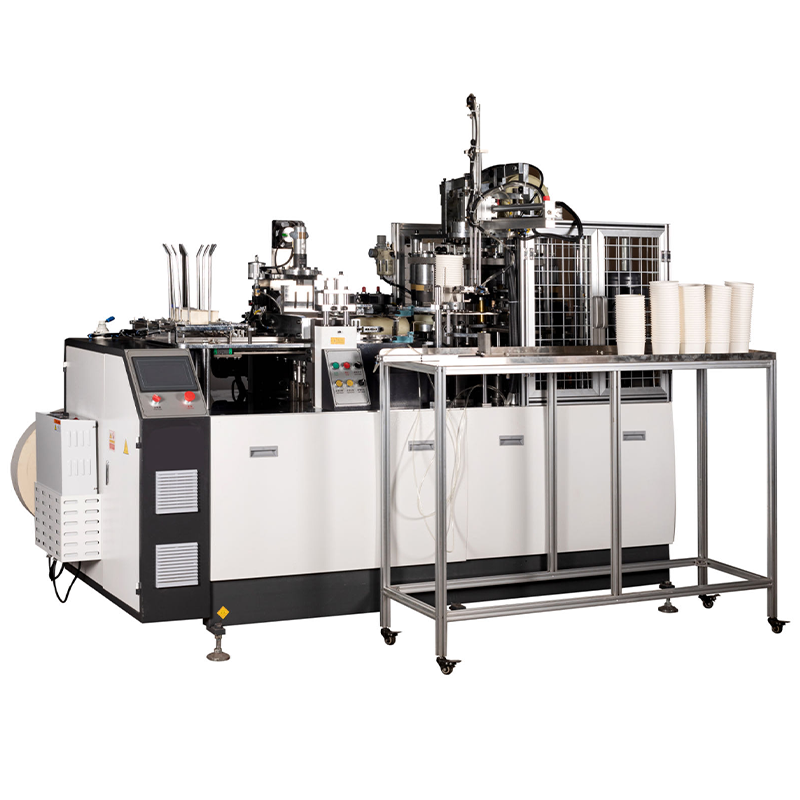
The decision about how automated a system needs to be really comes down to three main factors: what kind of production volumes are needed, the company's approach to labor, and whether long term savings matter most. Let's look at the basics first. Manual equipment typically makes less than 1000 bowls per hour and requires constant attention from workers, though they do have the advantage of being the cheapest option when getting started. Semi automatic setups handle between 1000 to 5000 units each hour and need fewer staff members overall. These systems cut down on labor expenses by around 30 to 50 percent compared to purely manual operations. For high volume production beyond 5000 bowls per hour, fully automatic lines integrate all the key processes including forming, sealing, and stacking with almost no human input required. Labor costs can drop as much as 60 percent with these advanced systems. Before making any final decisions, businesses would be wise to conduct a thorough Total Cost of Ownership analysis that considers all these variables together.
- Throughput scalability, ensuring consistent output during peak demand
- Labor dependency, balancing staffing flexibility with operational reliability
- Long-term ROI, where high-volume facilities (>5 million bowls monthly) typically recoup automation investments within 18–24 months through lower per-unit costs
This tiered alignment prevents both costly underutilization and production bottlenecks.
Risk-Aware Procurement: Evaluating Used Paper Bowl Machines
Critical Inspection Checklist: Former Wheel Wear, PLC Firmware, and Coating Calibration History
When buying secondhand equipment, doing proper checks is really important to prevent unexpected breakdowns and product issues. Start by looking at the wear on previous wheels. If the tolerance goes over 0.5mm, this can lead to problems with how bowls form and might even cause deformation issues. Next step is checking what version of PLC firmware comes with it. Older software versions tend to miss out on newer safety features and might not work well with today's sensors or diagnostic tools. Don't forget to ask about the calibration records for coating units either. When adhesives are applied under 5 grams per square meter, seals just don't hold up properly, which creates serious food safety concerns. A recent study from the 2023 Packaging Machinery Audit found that around two thirds of all problems with used machines came down to missing information in exactly these three areas. Look for vendors who provide full maintenance records and have independent verification reports available.
FAQ
What temperature can PE coatings withstand?
PE coatings can withstand temperatures above 95°C and have a melting point range between 120 and 130°C.
Why are FDA and EU regulations important for food contact materials?
These regulations ensure that materials do not migrate harmful chemicals into food, especially under thermal stress, thereby protecting consumer health and avoiding costly fines for violations.
What advantages do fully automatic paper bowl machines provide?
Fully automatic machines offer high-volume production with reduced labor costs and increased efficiency, potentially recouping automation investments within 18–24 months.
What should be checked when buying used paper bowl machines?
Important checks include former wheel wear tolerances, PLC firmware versions, and coating calibration history to prevent potential product issues.