
 EN
EN
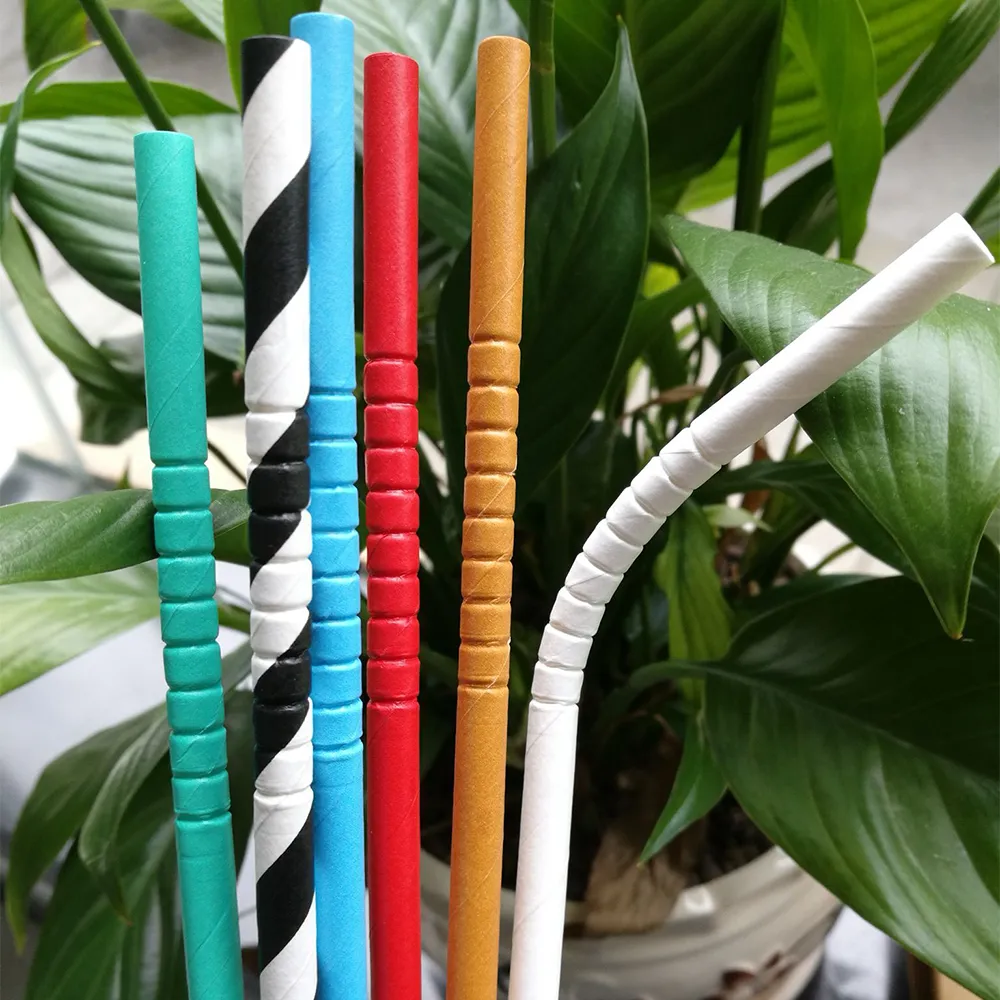
Core Functionality: How a Paper Sticking Machine Ensures Rod Structural Integrity
Why adhesive accuracy and tension-controlled web handling prevent delamination
When paper layers start to come apart, we call that delamination. This usually happens because the bond between layers isn't strong enough or there's some kind of stress imbalance across the material. Paper sticking machines fight against this issue by controlling adhesives at the micron level, keeping glue application pretty consistent within about plus or minus 5% of what's needed for proper viscosity. If there's not enough glue, gaps form between layers. But put too much on and things get messy with excess squeezing out and uneven curing times. At the same time, these machines also manage tension through closed loop systems that keep web tension steady around 2 to 5 Newtons per centimeter during processing. This helps prevent those annoying wrinkles, alignment problems, and fiber distortions that throw off how well layers stick together. All these features work hand in hand to make sure glue gets properly distributed throughout all surfaces, creating solid contact between each ply. The result? No air pockets left behind and fewer stress points, which means producing rods that can handle serious pressure tests showing resistance to shear forces as high as 18 megapascals when compressed.
The role of consistent glue line width and dwell time in bonding strength
Getting good bond integrity really comes down to keeping that glue line between 0.3 and 0.5 mm thick, plus or minus about 0.1 mm along the whole rod length. If the line gets too thin, there's not enough material at the bonding surface. But go too wide and the stuff takes longer to cure, which actually makes the whole structure weaker. That's why we rely on those servo-controlled metering pumps these days they can tweak the flow rate as needed when dealing with different paper porosities. Don't forget about dwell time either that crucial 3 to 5 seconds where the adhesive works its way into the fibers before it sets. Skip this step and the mechanical interlock just doesn't happen, cutting bond strength somewhere around 40%. These newer systems match up conveyor speeds with how the adhesive behaves, making sure molecules get properly tangled together. What results are bonds strong enough to handle full 360 degree twisting without breaking apart, something traditional methods just couldn't achieve consistently.
Precision & Performance Metrics for Industrial Paper Sticking Machines
Glue line tolerance (±0.15 mm) and its impact on rod concentricity and tensile strength
Keeping glue lines within a tolerance range of plus or minus 0.15 mm matters a lot when it comes to maintaining consistent dimensions and good structural integrity. When things go outside this range, the adhesive gets distributed unevenly across surfaces, which can cut down on bond strength by as much as 40 percent according to research published in Composite Materials Journal back in 2023. These kinds of irregularities affect rod concentricity too. If variations pass the 0.2 mm mark during production runs, standard tests show around a 25% drop in tensile strength. Modern equipment handles these tight tolerances through sophisticated laser guided systems that keep an eye on the shape of glue beads while automatically adjusting nozzle pressure as needed throughout the process. This helps manufacturers deal with those inevitable fluctuations in paper web movement that happen during actual production cycles.
Servo-driven metering vs. pneumatic systems: reliability, repeatability, and ROI
Servo-driven adhesive metering has become the industrial standard over pneumatic alternatives due to measurable gains in precision and uptime:
- • Repeatability: ±0.05 mm glue line width accuracy across production runs, versus ±0.12 mm for pneumatic systems
- • Reliability: 99.5% operational consistency with predictive maintenance, cutting unplanned downtime by 60%
- • ROI: Though initial investment is 15–20% higher, servo systems reduce adhesive waste by ~30% and deliver full return within 18–24 months via lower scrap rates and reduced maintenance labor
This transition reflects a strategic commitment to ISO-certified dimensional consistency—especially vital for high-value paper rod applications where tolerances directly affect end-product performance.
Operational Reliability: Maintenance Demands and Downtime Mitigation
Predictive maintenance protocols and real-time monitoring for paper sticking machine uptime
Paper sticking machines run much better when predictive maintenance is part of the routine. These systems spot problems long before they actually cause production delays. Modern equipment comes with built-in sensors that track things like vibrations, temperature changes, and how the adhesive pressure fluctuates during operation. When these sensors detect anomalies such as clogged nozzles or worn tension rollers, technicians can address them right away instead of waiting for breakdowns. Compare this to traditional maintenance approaches where unexpected shutdowns cost factories around $260k each year just for one production line according to Reliability Index data from last year. Paper sticking applications benefit particularly from continuous monitoring of glue consistency and web tension levels. Without proper oversight, adhesive skips and layer separation problems account for nearly half of all stoppages specific to these machines.
| Maintenance Approach | Downtime Reduction | Cost Impact |
|---|---|---|
| Reactive | Baseline | +35% |
| Preventive | 15–20% | Neutral |
| Predictive | 30–50% | −22% |
Cloud-based analytics convert sensor data into actionable alerts—such as approaching nozzle wear thresholds or declining motor efficiency—allowing technicians to schedule replacements during planned pauses. When combined with modular spare part designs, these protocols sustain uptime above 95%, ensuring continuous rod integrity and throughput.
Supplier Selection Criteria for Paper Sticking Machine Procurement
Balancing Automation Capability with Local Service Coverage and Spare Parts Logistics
Manufacturers looking at paper sticking machines should match how advanced the automation is with what kind of service support they can realistically get. Machines packed with fancy stuff such as servo driven tension controls or those connected to the internet for diagnostics might boost production speeds around 30 percent according to Packaging Machinery Association data from last year. But all those bells and whistles really only matter if there's good tech help nearby. Look for companies that have service centers no more than 200 miles away so when something breaks down badly, someone gets there within four hours maximum. Otherwise even the best equipment becomes useless during emergencies.
Equally decisive is spare parts logistics:
- • Confirm real-time inventory visibility for high-wear components (e.g., glue nozzles, tension rollers)
- • Require guaranteed 48-hour delivery for critical spares
- • Insist on standardized, non-proprietary component designs to avoid vendor lock-in
According to research from the packaging sector in 2023, facilities that had good relationships with nearby suppliers saw their machines stop working 57% less often than companies relying on help from far away countries. When we think about how much money gets lost when paper rod machines suddenly shut down, sometimes over $740 every single hour, it becomes clear why having local backup matters so much. The way automated systems work together with quick response services isn't just about day to day operations anymore. This kind of connection actually forms the base for whether businesses make money or lose it in the long run.