
 EN
EN
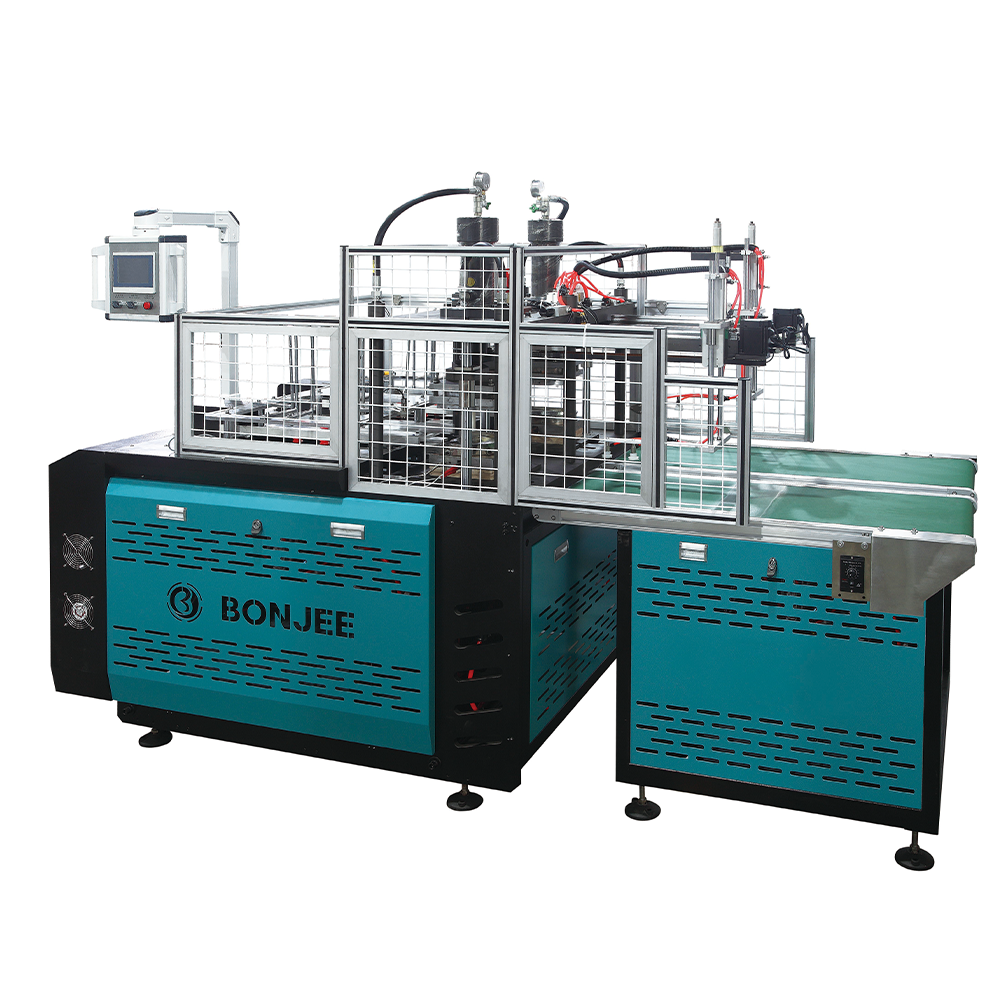
In the modern eco-friendly packaging market, maximizing factory throughput while minimizing material waste is essential for sustaining strong profit margins. Implementing strategic operational guidelines and utilizing advanced engineering solutions are the most reliable methods for realizing substantial production efficiency improvement tips for paper dish machines. While modern container-forming hardware is engineered for high stability, actual daily output depends heavily on surrounding factory variables, including raw material preparation, mold calibration routines, and scheduled technical maintenance. By optimizing these production workflows, manufacturing facilities can significantly reduce operational downtime, eliminate common forming defects, and enhance the overall equipment effectiveness (OEE) of their machinery.
Implementing Rigorous Raw Material Climate Conditioning
The physical condition of the incoming paper roll or blank stock directly influences the mechanical forming cycle within a paper dish machine. Natural cellulose fibers are highly sensitive to environmental humidity and ambient temperatures, which can alter the stiffness and flexibility of the material. Factory operators should establish a dedicated raw material conditioning area where paper stock is allowed to acclimate to stable indoor humidity levels before being fed into the blanking mechanism. Proper material preparation prevents feeding jams, reduces side-wrinkling defects during pneumatic drawing sequences, and ensures the forming mold achieves an even, consistent geometric finish without tearing the paperboard stock.
Optimizing Multi-Stage Thermal Forming Processes
Achieving clean plate edges and strong structural rigidities relies heavily on the balanced application of heat and mechanical pressure. A professional paper dish machine utilizes localized heating elements integrated within both the upper and lower forming dies to plasticize moisture and custom coatings. Technicians must regularly calibrate these temperature zones using digital infrared sensors to guarantee thermal distribution remains uniform across the entire surface area. Preventing micro-fluctuations in heating profiles ensures that protective coatings melt uniformly to lock the dish structure into shape instantly, thereby avoiding spring-back deformation and allowing operators to safely increase running velocities.
Adopting Systematic High-Precision Mold Calibration
As product portfolios diversify to accommodate various hospitality and catering sizes, mold transition times can create noticeable bottlenecks in a busy factory schedule. When setting up a paper dish machine for a new shape configuration, utilizing a standardized, quick-change alignment layout reduces calibration error margins. Molds must be secured with precise pneumatic or high-tensile locking bolts to eliminate microscopic shifting during repetitive high-speed compression strokes. Ensuring absolute parallelism between the male and female dies not only prevents premature tool wear but also guarantees identical rim curling and structural depth across thousands of consecutive operating cycles.
Implementing Automated Pneumatic and Air Delivery Upgrades
The speed at which a finished paper container is transferred from the forming die to the collection workstation determines the ultimate cycle time of the equipment. If a paper dish machine relies on manual collection or weak mechanical extraction fingers, slight delays can cause structural blockages inside the main forming chamber. Integrating optimized high-pressure air blast nozzles or vacuum suction tracking cups ensures that each finished container is instantly ejected the millisecond the die separates. This rapid, automated pneumatic transport clears the operational zone immediately, paving the way for the subsequent material feed without risking mechanical collision or slowing the machine down.
Establishing Preventive Predictive Mechanical Maintenance
Unscheduled equipment breakdowns represent the most significant source of factory revenue loss and missed delivery schedules. Maintaining a high-output paper dish machine requires shifting away from reactive repairs to a structured, predictive maintenance calendar. High-stress mechanical components—including main eccentric shafts, heavy-duty pneumatic cylinders, and integrated gear transmission bearings—must be checked daily for structural integrity and proper lubrication. Keeping critical components clean of fine paper dust prevents abrasive friction buildup, ensuring the machinery operates smoothly at elevated production speeds for multiple consecutive shifts.