
 EN
EN
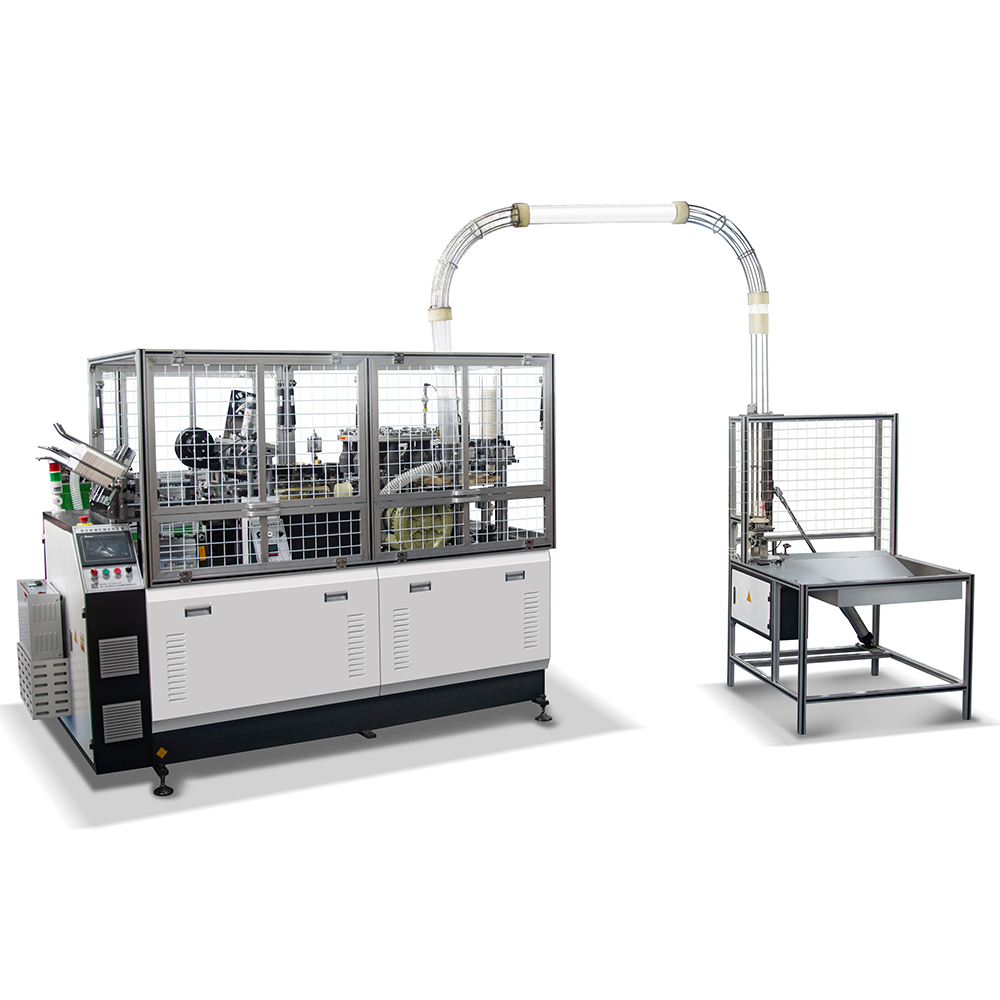
Assess Your Production Volume and Speed Requirements
In my years of consulting for high-growth beverage startups, the most common mistake I see is underestimating future demand. When selecting a paper cup machine, you must balance your current daily output with your projected growth. At Bonjee, we categorize machines into low-speed (60-80 pcs/min), medium-speed (90-120 pcs/min), and high-speed (up to 150+ pcs/min) models. For a medium-sized beverage supplier, a stable medium-speed paper cup machine often provides the best ROI. High-speed machines are marvels of engineering, but they require more precise maintenance and higher-quality raw materials. If your facility runs 24/7, prioritizing stability over raw "top speed" will save you thousands in downtime costs.
Evaluate the Ultrasonic vs. Heater Sealing Technology
From a technical expertise standpoint, the sealing method is the heart of the paper cup machine. For the beverage industry, leak-proof integrity is non-negotiable. Standard heaters are cost-effective for single-layer PE-coated paper cups used for hot coffee. However, if you are producing cold drink cups or using double-PE coated paper to prevent condensation sogginess, ultrasonic sealing is the gold standard. Based on Bonjee’s internal testing, ultrasonic systems provide a more aesthetic seal and reduce the "scorched" smell sometimes associated with high-heat thermal bonding. This ensures that the subtle aroma of your beverage isn't tainted by the packaging process.
Prioritize Structural Durability and Open Cam Design
Authoritative engineering standards suggest that the drive system dictates the lifespan of your equipment. Older paper cup machine designs often used chain drives, which stretch over time and lead to timing issues. Modern, high-performance machines—like those we develop at Bonjee—utilize an open-cam system and longitudinal gear transmission. This "Gear-Cam" architecture ensures that the indexing movement is smooth and synchronized. During a recent factory audit for a client in Southeast Asia, we replaced three chain-driven units with one of our open-cam paper cup machine models; the client reported a 40% reduction in mechanical vibration and significantly lower noise levels, creating a safer environment for operators.
Check for Paper Compatibility and Weight Range
A versatile paper cup machine should be able to handle a variety of paper GSMs (grams per square meter). The beverage industry uses everything from lightweight 150gsm cups for water to heavy 350gsm cups for premium bubble tea. Before purchasing, verify that the paper cup machine can handle the specific thickness of your sourced paper. Our machines are designed with adjustable pressure rollers and feeding systems to accommodate these variations. I always recommend clients send samples of their specific paper stock to our lab for testing before shipment. This transparency ensures that the machine is calibrated perfectly for your specific material, reducing the "trial and error" phase during installation.
Inspect the Automatic Lubrication and Safety Systems
Trustworthiness in machinery is built on safety and maintenance ease. A high-quality paper cup machine must include an automatic oil lubrication system. Manual greasing is often neglected in busy factories, leading to premature wear of expensive bearings. Furthermore, look for machines equipped with PLC (Programmable Logic Controller) systems and touch-screen interfaces. These systems provide real-time error reports. If a sensor detects a "no paper" or "cup drop failure" scenario, the paper cup machine should stop automatically to prevent a catastrophic jam. At Bonjee, we prioritize these fail-safes to protect your investment and your workforce.
Consider After-Sales Support and Part Availability
Expertise isn't just about the machine; it's about the ecosystem supporting it. A paper cup machine is a precision instrument that will eventually require wear-and-tear parts like heaters, suction pads, or knives. Before committing, ask about the availability of spare parts and the manufacturer’s ability to provide remote technical support. We pride ourselves on offering comprehensive video guidance and global shipping for parts. In the beverage industry, where "just-in-time" delivery is the norm, having a machine manufacturer that acts as a partner rather than just a vendor is the ultimate "pro tip" for long-term success.
Table of Contents
- Assess Your Production Volume and Speed Requirements
- Evaluate the Ultrasonic vs. Heater Sealing Technology
- Prioritize Structural Durability and Open Cam Design
- Check for Paper Compatibility and Weight Range
- Inspect the Automatic Lubrication and Safety Systems
- Consider After-Sales Support and Part Availability