
 EN
EN
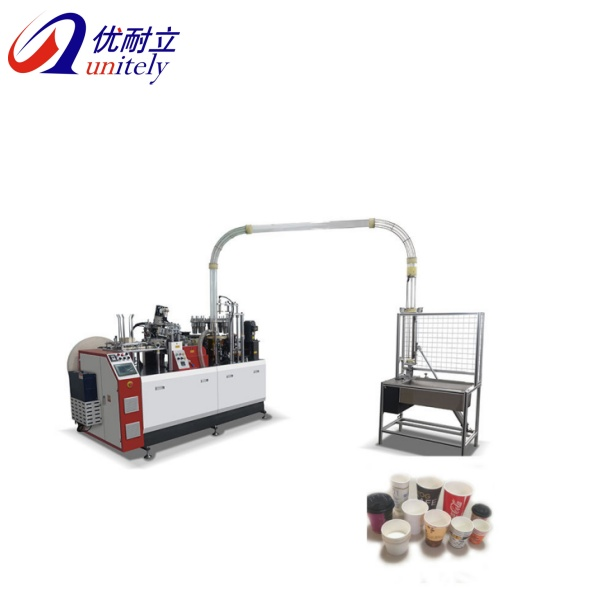
Why Energy Consumption Matters in Paper Cup Manufacturing
In the disposable packaging industry, energy efficiency has become a decisive factor for profitability and sustainability. Based on my experience working with manufacturers and reviewing production data from clients using Bonjee’s equipment, energy consumption directly impacts operating costs, especially in high-output environments. A high speed paper cup machine typically runs continuously for long hours, meaning even small inefficiencies can lead to significant electricity expenses over time. Companies that prioritize energy-efficient machinery often see measurable cost savings within the first year of operation.
Understanding the Energy Profile of High Speed Paper Cup Machines
A high speed paper cup machine consumes energy across multiple components, including heating systems, servo motors, air compressors, and control units. Modern machines, such as those offered by Bonjee, are engineered with optimized servo-driven systems that reduce unnecessary energy loss. Compared to traditional mechanical systems, servo motors adjust power usage dynamically based on workload, ensuring that the machine only consumes the energy it truly needs. This technological advancement aligns with industry recommendations from organizations like the International Energy Agency (IEA), which emphasize smart automation as a key strategy for industrial energy reduction.
Comparison: Traditional vs High Speed Paper Cup Machine Energy Use
From a technical standpoint, traditional paper cup machines rely heavily on constant-speed motors and less efficient heating mechanisms. In contrast, a high speed paper cup machine integrates intelligent temperature control and variable frequency drives. In a case study conducted with a mid-sized packaging factory, switching to a high speed system reduced energy consumption by approximately 20–30% per 10,000 cups produced. This is primarily due to shorter cycle times and reduced idle energy waste. Additionally, high speed machines often complete more units per hour, meaning energy consumption per unit is significantly lower.
Bonjee’s Energy-Saving Innovations in Practice
Drawing from product insights on Bonjee’s platform, their high speed paper cup machine models incorporate advanced PLC control systems, high-efficiency heating plates, and optimized mechanical structures. In one real-world deployment, a beverage packaging client reported a noticeable drop in electricity usage after upgrading to Bonjee equipment, while production capacity increased by over 40%. These machines are designed with energy recovery mechanisms and precision forming technology, which minimize material waste and reduce overall energy demand. This reflects Bonjee’s commitment to balancing performance with sustainability.
Key Factors Affecting Energy Efficiency
Several factors determine how much energy a high speed paper cup machine will consume in actual production. These include machine speed, cup size variability, operator skill level, maintenance frequency, and ambient working conditions. For example, poorly maintained heating elements can increase energy consumption by up to 15%. Similarly, inconsistent material quality may force the machine to reprocess defective cups, wasting both energy and resources. Therefore, proper training and regular maintenance are essential for maximizing efficiency.
How to Optimize Energy Use in Daily Operations
To fully leverage the benefits of a high speed paper cup machine, manufacturers should adopt a proactive energy management strategy. This includes scheduling preventive maintenance, using high-quality raw materials, and calibrating machine parameters regularly. Based on industry best practices, installing energy monitoring systems can help identify inefficiencies in real time. Additionally, operators should be trained to minimize idle running time and ensure machines are shut down properly during non-production hours. These steps can collectively reduce energy costs while extending machine lifespan.
Conclusion: Balancing Speed, Cost, and Sustainability
In conclusion, the energy consumption of a high speed paper cup machine is significantly lower per unit compared to traditional machines, making it a smart investment for modern manufacturers. With innovations like servo-driven systems and intelligent controls, companies can achieve higher productivity while reducing operational costs. From both an economic and environmental perspective, upgrading to energy-efficient machinery is no longer optional—it is a strategic necessity. Bonjee’s solutions demonstrate how advanced engineering can deliver both performance and sustainability, helping businesses stay competitive in a rapidly evolving market.
Table of Contents
- Why Energy Consumption Matters in Paper Cup Manufacturing
- Understanding the Energy Profile of High Speed Paper Cup Machines
- Comparison: Traditional vs High Speed Paper Cup Machine Energy Use
- Bonjee’s Energy-Saving Innovations in Practice
- Key Factors Affecting Energy Efficiency
- How to Optimize Energy Use in Daily Operations
- Conclusion: Balancing Speed, Cost, and Sustainability