
 EN
EN
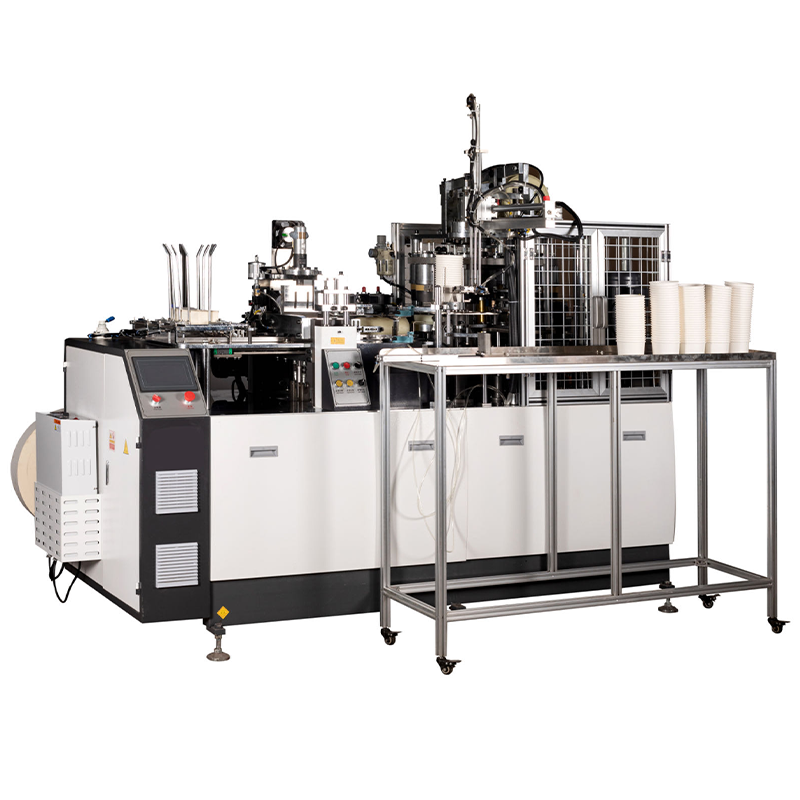
Evaluate Site Readiness: Space, Layout, and Structural Foundation
Calculate Minimum Floor Space, Clearance, and Workflow Integration
Accurate spatial planning prevents operational bottlenecks in paper bowl production. Measure:
- Machine footprint + 1.5m clearance on all sides for maintenance access
- Material inflow/outflow paths aligned with existing logistics (e.g., pulp delivery to finished goods staging)
- Ergonomic operator zones, designed to avoid cross-traffic with automated components
Prioritize unidirectional workflow layouts—reducing transit distances between molding, pressing, and packaging stations by 30% versus fragmented setups. Validate ceiling heights accommodate overhead service ducts and ventilation requirements.
Verify Concrete Foundation Strength, Leveling Tolerance (±0.5 mm/m), and Vibration Isolation
Structural integrity directly impacts machine longevity and product consistency. Confirm:
- Reinforced concrete thickness ≥300mm, rated at 5,000 psi compressive strength
- Laser-leveled bases, maintaining ±0.5 mm/m deviation across the entire mounting plane
- Anti-vibration pads or spring isolators, reducing resonance transfer by 40 dB
Neglecting foundation prep risks misalignment-induced wear, increasing part replacement costs by up to 35% annually. Anchor bolts must embed at least 15 cm into cured concrete, with epoxy grout filling all void spaces.
Mount and Align the Paper Bowl Machine for Operational Stability
Getting the mounting and alignment right is absolutely essential if we want machines running smoothly without vibrations and lasting longer. Start by checking that the base is level within about half a millimeter per meter using those laser alignment tools everyone swears by these days. Make sure those anchor bolts are tightened properly according to what the manufacturer says they should be, usually somewhere around 80 to 100 Newton meters. Where the machine actually touches the floor, especially at key spots, we need to apply some epoxy grout. This stops tiny movements that can cause problems when things are running fast. Don't forget to put those vibration dampening pads under the feet of the machine too, particularly close to areas where the forming happens since vibrations tend to peak there between 15 and 20 hertz. When everything's in place, check that nothing has shifted more than 0.05 mm anywhere along the axes with dial indicators during test runs. Doing all this helps prevent those annoying stress cracks from building up in the drive systems over time. Plus, keeping the rim thickness consistent within plus or minus 0.1 mm means less waste overall. Packaging engineers tell us this approach cuts down on scrap by roughly 12 to 18 percent, which adds up nicely in the long run.
Connect Power, Pneumatics, and Utilities in Compliance with Global Safety Standards
Electrical Integration: Voltage/Phase Matching and IEC 60204-1 & UL 508A Compliance
Verify your facility’s power supply matches the machine’s voltage and phase requirements before connection—mismatches cause motor failures and safety hazards. All wiring must comply with IEC 60204-1 and UL 508A, mandating:
- IP54-rated enclosures for electrical components
- Emergency stop circuits wired independently from control systems
- Short-circuit protection activating within 0.1 seconds of fault detection
Use torque-calibrated tools when terminating connections to prevent loose contacts—a leading cause of failure, cited in over 35% of industrial equipment incidents according to 2024 industrial safety audits. Always isolate power sources with visible breakers before servicing.
Pneumatic & Vacuum Setup: 6–7 bar Supply with Filtration, Drying, and Leak-Proof Coupling
Keeping compressed air pressure within the 6 to 7 bar range according to ISO 8573-1 Class 2 standards is essential for proper operation. To tackle contamination issues, install coalescing filters along with refrigerant dryers before they reach critical points in the system. These components effectively eliminate oil and moisture from the air stream, which can otherwise cause problems with pulp sticking properly in forming molds during production. When it comes to connecting parts, push-to-connect fittings equipped with double O-ring seals offer significant advantages over traditional threaded connections. Not only do they create virtually leak-proof pneumatic couplings (with leakage below half a percent), but they also cut down on installation time by about two thirds compared to older methods. And what about vacuum systems? Well, there are specific considerations for those as well...
- Position pumps within 3 meters of suction points
- Employ vacuum sensors with ±1% accuracy for mold pressure monitoring
- Conduct soap-bubble tests on all joints at 150% operating pressure
Route pneumatic exhausts away from operator zones to meet ISO 4414 noise limits.
Perform Pre-Operation Checks and Initial Calibration of the Paper Bowl Machine
Pre-startup verification prevents costly failures and safety incidents—industrial equipment accidents average $740k in damages (Ponemon Institute, 2023). A structured approach ensures operational readiness.
Safety System Validation: E-Stop, Light Curtains, and Interlock Testing
Verify emergency stops halt all motion within 0.5 seconds per ISO 13850. Test light curtain sensitivity using calibrated obstruction tools—misalignment accounts for 23% of startup injuries (Occupational Safety Journal, 2024). Confirm interlocks disable functions when guards open. Document all Safety Instrumented System (SIS) responses.
Mechanical Calibration: Mold Alignment, Feeding Timing, and Pressure Parameter Initialization
Get those upper and lower molds aligned within about 200 microns by using dial indicators. Make sure the pulp feeding matches up exactly with the dwell time since most jams happen when these two aren't synced properly (we're talking over three quarters of all issues). Start the hydraulic pressure at around 40% of what it needs to be operationally and slowly work your way up from there. Take note of some basic measurements too like how long each cycle takes and the thickness of the bowl walls. These numbers will come in handy later for figuring out problems or comparing against other runs down the line.
FAQ
What is the recommended floor space for a paper bowl production machine?
It is recommended to allocate the machine footprint plus 1.5 meters clearance on all sides for maintenance access.
How do I ensure proper alignment and stability for the paper bowl machine?
Ensure the base is level within about half a millimeter per meter using laser alignment tools and apply epoxy grout where the machine touches the floor to prevent movement.
What should I consider for power and pneumatic setup?
Ensure the power supply matches the machine’s voltage and phase requirements and maintain compressed air pressure within 6 to 7 bar with filtration and drying to prevent contamination.
How do I perform pre-operation checks?
Verify safety systems like emergency stops and light curtains, and ensure mechanical calibration by aligning molds and synchronizing feeding and dwell time.