
 EN
EN
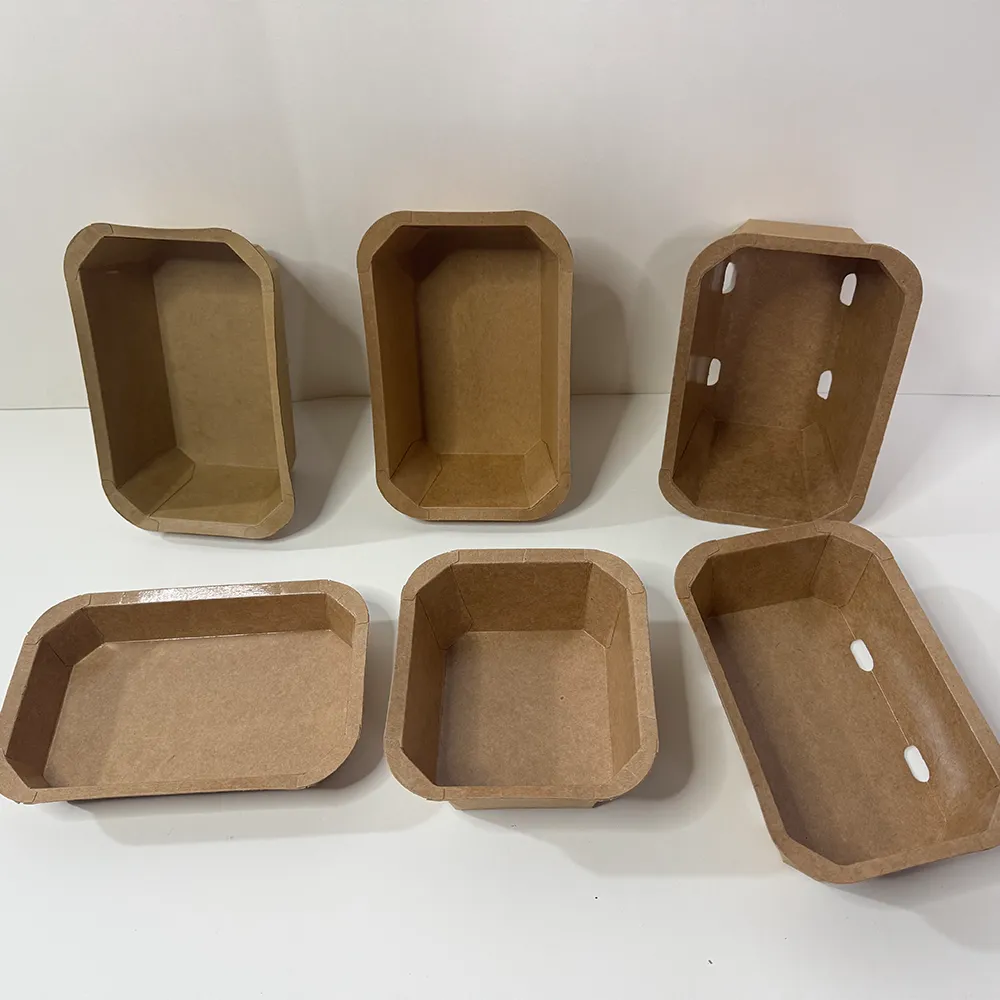
The global shift toward sustainable packaging has placed the honeycomb paper making machine at the forefront of the manufacturing industry. As businesses move away from plastic foams and bubble wraps, understanding the foundational components of this eco-friendly technology is essential for any production facility. This guide explores the critical raw materials required to ensure your honeycomb paper making machine operates at peak efficiency while producing high-quality, durable packaging solutions.
The Foundation: High-Quality Kraft Paper
The primary ingredient for any honeycomb paper making machine is kraft paper. Unlike standard paper, kraft paper is manufactured using the chemical pulp process, which preserves the strength of the wood fibers. For honeycomb production, the GSM (Grams per Square Meter) typically ranges from 70g to 120g for the internal core and can go higher for the surface liners. Using premium kraft paper ensures that the finished honeycomb structure has the necessary tensile strength and elasticity to provide superior cushioning.
Essential Adhesives: Bonding the Hexagonal Structure
To transform flat sheets into a robust 3D matrix, a reliable adhesive is indispensable. Most modern honeycomb paper making machine setups utilize water-based glues, such as starch-based adhesives or PVA (Polyvinyl Acetate). These glues are preferred because they are non-toxic, biodegradable, and offer a rapid drying time. The adhesive must be applied in precise lines to allow the paper to expand into the signature hexagonal shape without delamination during the stretching process.
Strengthening Agents: Enhancing Durability and Moisture Resistance
In many industrial applications, honeycomb paper needs to withstand humid environments or heavy loads. Manufacturers often integrate strengthening agents or additives into the raw material mix. These can include water-resistant coatings or wax-based emulsions applied during the feeding stage of the honeycomb paper making machine. By incorporating these materials, the final product gains a layer of protection against structural collapse in damp conditions, expanding its utility for long-distance shipping.
Core Variations: Recycled vs. Virgin Fibers
When selecting materials for your honeycomb paper making machine, you must decide between virgin kraft paper and recycled paper. Virgin fibers offer the highest strength-to-weight ratio, making them ideal for heavy-duty industrial components. On the other hand, recycled paper is more cost-effective and aligns perfectly with the "circular economy" goals of modern brands. A high-performance honeycomb paper making machine from providers like Bonjee is designed to handle both types, allowing for versatility in production.
Lubricants and Maintenance Supplies for Continuous Operation
While not a part of the final product, industrial-grade lubricants are "raw materials" for the machine's longevity. A honeycomb paper making machine consists of complex rollers, cutters, and PLC-controlled components that require consistent maintenance. Using high-quality machine oil and cleaning agents ensures that the paper feed remains smooth and the cutting blades remain sharp, preventing material wastage and ensuring a high-density, uniform honeycomb cell structure.
Summary and Quality Control
In conclusion, the success of your production line depends on the synergy between your honeycomb paper making machine and the quality of your raw materials. By choosing the right GSM kraft paper, eco-friendly adhesives, and maintaining the equipment properly, you can produce packaging that is not only strong but also 100% recyclable. Investing in a high-quality honeycomb paper making machine is the first step toward a more sustainable and profitable packaging future.