
 EN
EN
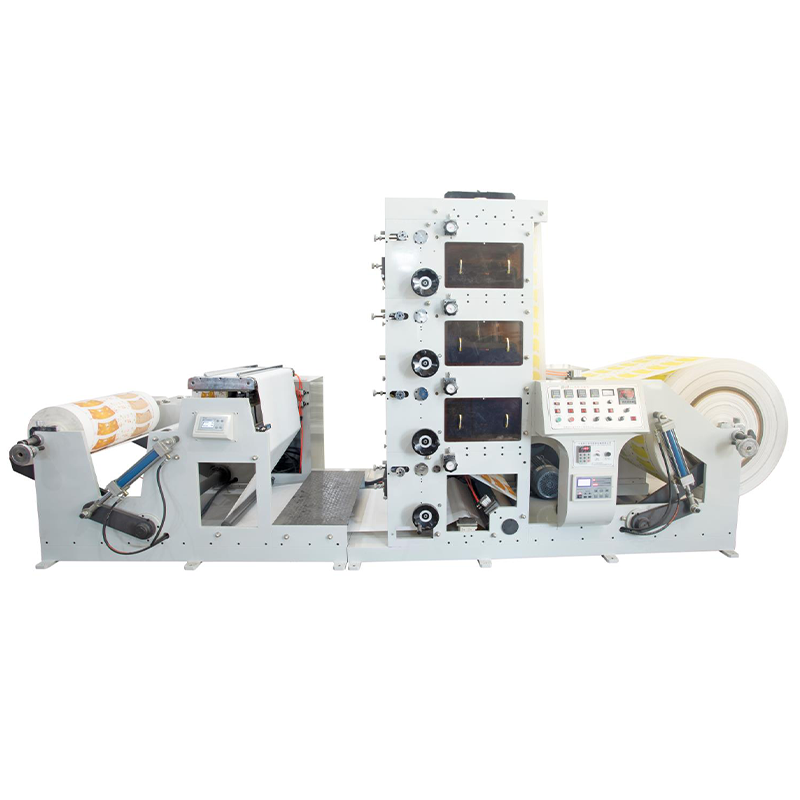
Introduction: Understanding Automation in Flexographic Printing
Automation in modern packaging production has become a key factor in improving efficiency, consistency, and cost control. The development of the modern flexo printing machine has moved far beyond basic mechanical operation. Today, different automation levels allow manufacturers to choose systems that match their production scale, skill level, and quality requirements.
A flexo printing machine can now range from semi-manual control systems to fully automated smart production lines. Each level of automation influences setup time, waste reduction, printing accuracy, and operator workload. Understanding these differences helps businesses make better investment decisions and improve long-term productivity when selecting a flexo printing machine.
Entry-Level Automation: Manual and Semi-Automatic Systems
At the entry level, a flexo printing machine typically relies on manual adjustments for registration, ink control, and material feeding. Operators play a significant role in controlling print quality and maintaining consistency. While this type of system is more affordable, it requires skilled technicians to manage production effectively.
Semi-automatic versions of the flexo printing machine introduce basic automation features such as motorized roll handling or simplified tension control. These improvements reduce manual workload but still depend heavily on operator experience. For small-scale production or businesses just entering the packaging industry, this type of flexo printing machine offers a practical balance between cost and functionality.
Mid-Level Automation: Improved Precision and Stability
Mid-level automation introduces more advanced control systems into the flexo printing machine, significantly improving printing stability and repeatability. Features such as automatic tension control, improved ink distribution systems, and partial digital registration help reduce human error.
At this level, the flexo printing machine becomes more efficient in handling medium production volumes. Operators still monitor the process, but most adjustments are assisted by machine systems rather than manual intervention. This reduces waste and improves consistency across longer production runs. Many packaging companies prefer this level because it balances cost and performance in a flexo printing machine setup.
High-Level Automation: Servo and PLC-Controlled Systems
High-level automation represents a major step forward in flexo printing machine technology. These systems often use PLC (Programmable Logic Controller) and servo motor control to manage nearly every stage of the printing process. From plate alignment to ink pressure control, automation ensures high precision and minimal deviation.
A fully advanced flexo printing machine can automatically adjust registration, monitor print quality in real time, and correct deviations without stopping production. This reduces downtime and significantly increases output efficiency. Companies such as Bonjee Machine focus on integrating these technologies to enhance productivity and reliability in modern flexo printing machine solutions.
Smart Automation: IoT and Digital Integration
The latest generation of flexo printing machine systems incorporates smart automation and digital connectivity. These machines can be connected to production management systems, allowing remote monitoring and predictive maintenance. Operators can track performance data and identify issues before they affect production.
A smart flexo printing machine also supports data-driven optimization, helping manufacturers adjust settings for different materials and job types. This level of automation reduces downtime and improves resource efficiency. As Industry 4.0 continues to develop, the flexo printing machine is becoming increasingly intelligent, offering real-time feedback and automated decision-making capabilities.
Choosing the Right Automation Level
Selecting the right flexo printing machine depends on production scale, budget, and quality expectations. Small businesses may prefer entry-level or semi-automatic systems due to lower initial investment. Medium-sized companies often benefit from mid-level automation that improves efficiency without excessive complexity.
Large-scale manufacturers usually invest in high-end or fully automated flexo printing machine systems to achieve maximum productivity and consistency. The key is to balance operational cost with output requirements. Understanding the automation options available in a flexo printing machine helps businesses make strategic decisions that support long-term growth.
Future Trends in Flexo Printing Automation
The future of the flexo printing machine industry is moving toward full digitalization and artificial intelligence integration. Machines will become more self-learning, capable of adjusting print parameters automatically based on real-time data. This will further reduce human intervention and increase production accuracy.
Sustainability is also influencing the evolution of the flexo printing machine, with automation helping reduce waste and energy consumption. As technology continues to advance, businesses that invest in modern automated flexo printing machine systems will gain stronger competitive advantages in packaging markets worldwide.
Table of Contents
- Introduction: Understanding Automation in Flexographic Printing
- Entry-Level Automation: Manual and Semi-Automatic Systems
- Mid-Level Automation: Improved Precision and Stability
- High-Level Automation: Servo and PLC-Controlled Systems
- Smart Automation: IoT and Digital Integration
- Choosing the Right Automation Level
- Future Trends in Flexo Printing Automation