
 EN
EN
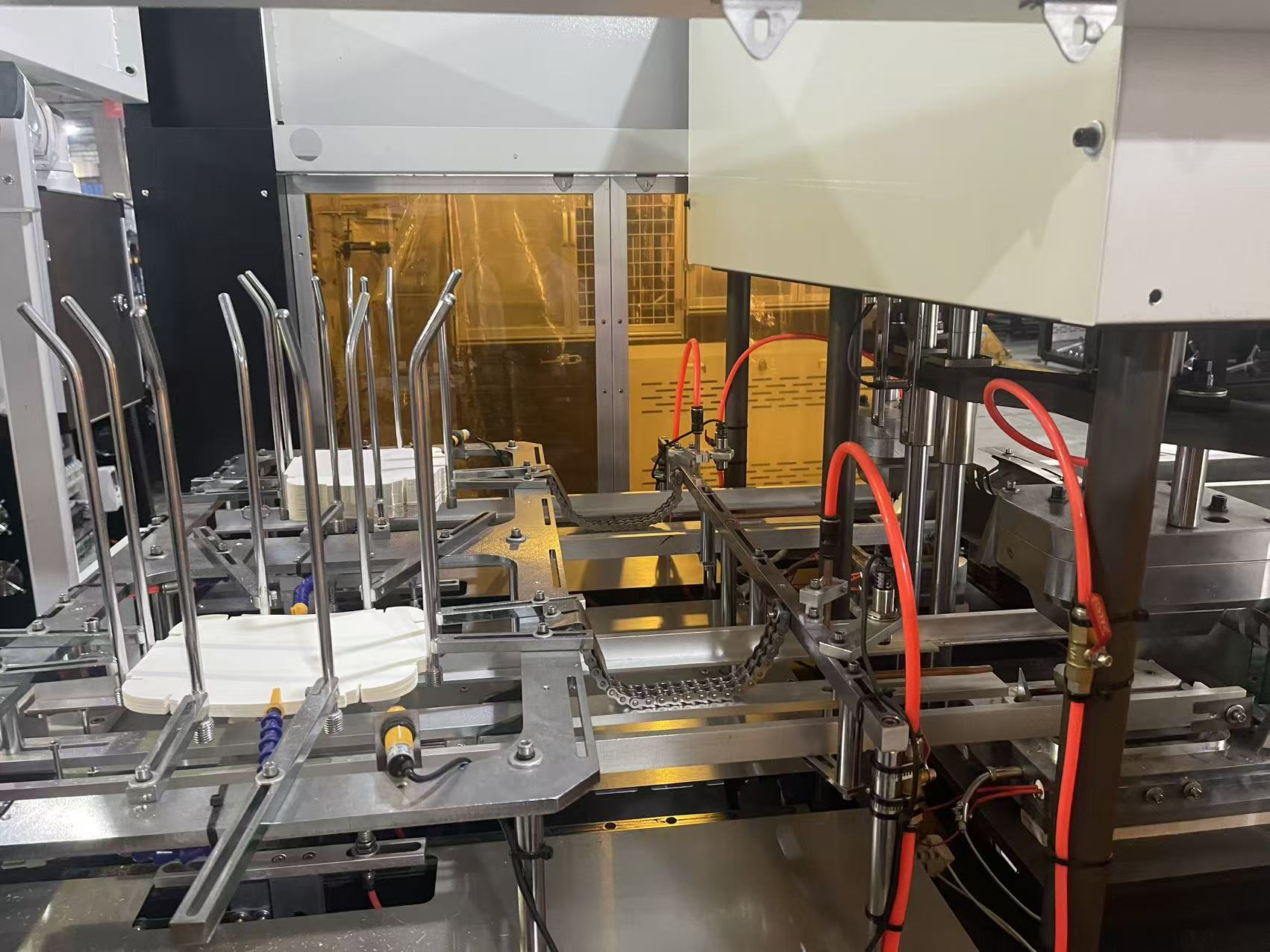
A paper tray forming machine is the workhorse behind many eco-friendly disposable tableware production lines. However, no matter how advanced the machine is, its mold determines the final quality and consistency of every tray you produce. Over time, molds inevitably wear down, and knowing when and how to replace them is essential for maintaining high output quality. In this guide, I will share practical tips drawn from hands-on experience with pulp molding equipment, along with expert insights from industry maintenance practices.
Recognizing When Your Paper Tray Forming Machine Mold Needs Replacement
One of the most important skills an operator can develop is recognizing the early warning signs of a failing mold. In my years working with paper tray forming machines, I have found that catching mold problems early prevents major production disruptions. Here are the key indicators to watch for:
Declining tray quality. If you notice rough edges, inconsistent thickness, or surface imperfections appearing on your paper trays, your mold may be worn. The forming cavity can develop microscopic scratches over time, which transfer directly to the tray surface.
Difficulty with product release. When trays start sticking to the mold surface instead of ejecting cleanly, it is often a sign that the mold‘s polished surface has degraded. This issue not only reduces production efficiency but can also cause tearing or deformation of the trays.
Visible mold damage. Cracks, chips, or severe scoring on the forming cavity are clear signals that replacement is needed. Continuing to use a damaged mold will only worsen product defects and may cause further damage to the machine itself.
Excessive fiber buildup that cleaning no longer resolves. Regular cleaning should remove pulp fiber residues. If you find that fiber is accumulating more quickly than usual or leaving stubborn deposits even after thorough cleaning, the mold surface may have lost its smoothness, requiring replacement.
Changes in vacuum efficiency. Paper tray forming relies on vacuum suction to pull pulp fibers against the mold surface. If your vacuum system is operating normally but you are seeing inconsistent fiber distribution, the mold‘s perforations may be partially blocked or worn, affecting the dewatering process.
Step-by-Step Mold Replacement Procedure for a Paper Tray Forming Machine
Replacing a mold on a paper tray forming machine requires careful attention to safety and precision. Based on standard industrial practices and operator manuals, here is a straightforward procedure that can help you avoid common mistakes.
Safety first. Before beginning any mold change, shut down the machine completely and lock out the power supply. Wear appropriate personal protective equipment, including safety gloves, safety glasses, and steel-toed boots. Never attempt a mold change while the machine is still powered on or under pressure.
Prepare your tools and the new mold. Gather all necessary tools: wrenches, cleaning rags, rust inhibitor spray, lifting slings or chains, and the replacement mold itself. Inspect the new mold carefully before installation—check for any shipping damage, verify that all mounting holes align with your machine‘s platen, and confirm that cooling or vacuum connections are intact and unobstructed.
Remove the old mold. Use a hoist or crane rated for the mold‘s weight to support the mold before loosening the clamping bolts. Loosen the mounting bolts in a cross pattern to relieve pressure evenly. Carefully lift the mold away from the platen, ensuring that no hydraulic or vacuum lines are still attached. Clean the platen surface thoroughly, removing any residual pulp fibers, rust, or debris. A clean platen is critical for proper mold alignment.
Install the new mold. Position the new mold onto the platen using the hoist. Align it carefully with the locating pins or guide holes. Tighten the mounting bolts gradually, following a cross pattern to ensure even clamping force. If your paper tray forming machine uses hydraulic or pneumatic clamping systems, verify that all connections are secure and leak-free.
Connect auxiliary systems. Reattach any vacuum lines, water cooling lines (if applicable), and electrical connections for sensors or heating elements. Check each connection for leaks or loose fittings before proceeding.
Perform a dry run and calibration. Before running production, perform several test cycles without pulp material. Listen for unusual noises, check that the mold opens and closes smoothly, and verify that the vacuum system creates adequate suction. Run a few test trays with pulp to check product quality. Adjust forming parameters such as vacuum pressure, forming time, and temperature as needed to achieve optimal tray quality.
Proper Storage of Spare Molds
How you store molds when they are not in use has a direct impact on their lifespan. Many operators overlook this step, but proper storage can add years to a mold‘s usable life.
Keep molds clean and dry. After removing a mold from the machine, clean it thoroughly to remove all pulp fiber residues. Dry the mold completely—even small amounts of moisture can lead to rust formation over time.
Apply rust preventative. Spray or wipe the mold surfaces with a professional-grade rust inhibitor. Pay special attention to the forming cavity and any machined surfaces. This protective layer prevents oxidation during storage.
Store in a climate-controlled environment. Molds should be kept in a clean, dry room with stable temperature and humidity levels. Avoid storing molds directly on concrete floors, which can wick moisture upward. Use wooden pallets or shelving to keep molds elevated.
Protect from dust and debris. Cover stored molds with plastic sheeting or dedicated mold covers. Dust accumulation can scratch precision surfaces when the mold is reinstalled.
Document storage location and maintenance history. Keep a simple log for each mold, recording when it was last used, when it was cleaned and treated, and where it is stored. This documentation helps you track mold life and plan replacements proactively.
Daily and Periodic Maintenance to Extend Mold Life
Preventive maintenance is far more cost-effective than emergency replacement. Here is a practical maintenance schedule based on industry best practices.
Daily maintenance (end of each shift). After each production run, wipe down the mold surface to remove residual pulp fibers. Inspect the forming cavity for any signs of wear, scoring, or debris buildup. Check vacuum ports and drainage channels to ensure they are clear and unobstructed. Listen for any unusual sounds during machine operation that might indicate loose components.
Weekly maintenance. Perform a more thorough inspection of the mold and its mounting system. Check all bolts and fasteners for tightness. Inspect guide pins and bushings for wear—these components ensure proper mold alignment during each forming cycle. Clean any accumulated fiber from hard-to-reach areas using compressed air or soft brushes.
Monthly maintenance. Remove the mold from the machine for a complete inspection. Check for micro-cracks, surface pitting, or wear patterns that could affect product quality. Lubricate all moving parts, including ejector pins and guide mechanisms, using manufacturer-recommended lubricants. Verify that vacuum holes are not clogged and that the mold surface remains smooth.
Cycle-based maintenance. The most accurate way to schedule mold maintenance is by tracking production cycles rather than calendar time. A mold that runs 100,000 cycles in a month experiences far more wear than one that runs 1,000 cycles. Industry experts recommend three levels of maintenance: daily in-press checks, intermediate general maintenance after 20,000–50,000 cycles, and comprehensive overhauls after 250,000–500,000 cycles.
Record keeping. Document every maintenance activity, including cleaning, lubrication, inspections, and repairs. A well-maintained log helps you identify recurring problems, predict when replacement will be needed, and optimize your maintenance intervals based on actual machine data rather than guesswork.
Choosing the Right Replacement Mold for Your Production Needs
When it is time to purchase a replacement mold, understanding your options helps you make an informed decision that balances cost, durability, and production quality.
Mold materials matter. Aluminum alloys, particularly grades 6061 and 7075, are popular choices for paper tray forming molds. Aluminum offers excellent thermal conductivity, which helps with the heating and drying stages of tray production. It is also lighter than steel, making mold changes easier and reducing strain on your hoisting equipment. However, aluminum is less wear-resistant than steel, so high-volume operations may need more frequent replacement.
Consider stainless steel for demanding applications. Stainless steel molds provide superior corrosion resistance and durability, which is particularly valuable if you are producing food-grade trays or working with additives that might be corrosive. The trade-off is higher cost and more difficult machining.
Match the mold to your machine‘s specifications. Before ordering a replacement mold, confirm that it matches your paper tray forming machine’s platen size, mounting bolt pattern, and connection interfaces for vacuum and any heating systems. A mold that does not fit correctly will never produce quality trays, no matter how well it is made.
Work with reputable suppliers. When purchasing replacement molds, choose manufacturers with proven quality control and after-sales support. Bonjee Machine, for example, offers professional-grade molds designed to work seamlessly with their paper tray forming machine lineup, ensuring proper fit and optimal performance.
Plan for multiple mold sets. If you produce different tray designs or sizes, consider investing in multiple mold sets. Quick-change capability allows you to switch between products efficiently, maximizing your machine’s uptime and production flexibility.