
 EN
EN
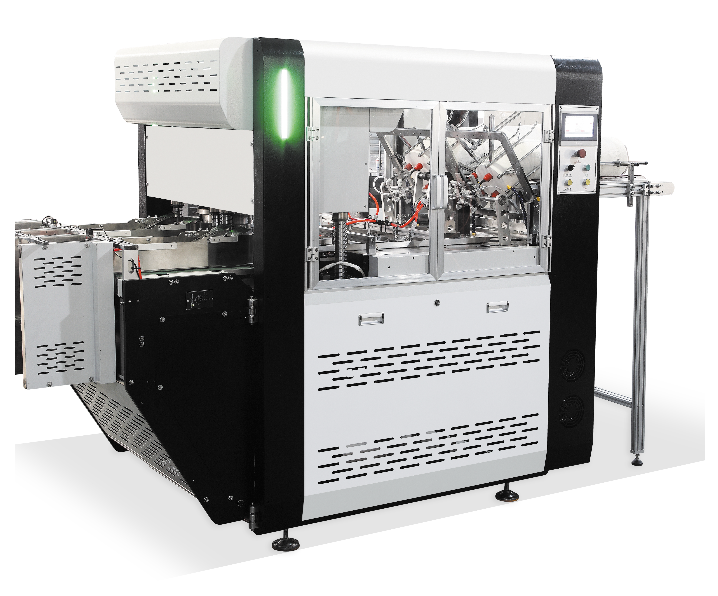
يُعَدّ تركيب القوالب بشكلٍ صحيح أحد أهم إجراءات الصيانة في أي آلة لصنع الأطباق الورقية. ويمكن أن يؤدي تركيب القوالب بشكلٍ غير صحيح إلى عيوب في المنتج تتراوح بين تجعُّد الحواف غير المنتظم وتشكل الطبق غير الكامل، وفي الحالات الشديدة قد يتسبب في أضرار ميكانيكية لمجموعة الضغط في الآلة أو الأسطوانات الهيدروليكية أو ألواح التسخين. وللمدراء المسؤولين عن الإنتاج والفنيين المختصين بالصيانة، فإن إتقان عملية تركيب القوالب الصحيحة لا يحمي استثمار المعدات فحسب، بل يضمن أيضًا جودة المنتج المتسقة ويقلل من توقفات التشغيل غير المخطط لها. ويشرح هذا الدليل سير عمل تركيب القوالب بالكامل لآلات صنع الأطباق الورقية الصناعية، مع تغطيته لكلا النوعين: النموذج الهيدروليكي والنموذج الذي يُدار بواسطة المحركات المؤازرة.
فهم أنواع القوالب وتوافقها
قبل البدء في التركيب، من الضروري التأكد من أن القوالب التي تعمل بها متوافقة مع طراز جهاز تصنيع أطباق الورق المحدد لديك. وعادةً ما تستخدم أجهزة تصنيع أطباق الورق مجموعة قوالب متطابقة تتكون من قالب علوي وآخر سفلي، حيث يحمل القالب العلوي المثقاب المُشكِّل، بينما يعمل القالب السفلي كقالب تجويفي. وتتفاوت مجموعات القوالب حسب قطر الطبق، وتشمل عادةً نطاقًا يتراوح بين ٥ بوصات و١١ بوصة، وكذلك حسب نمط الحافة، وأكثر نوعين شيوعًا هما قوالب الحواف الملتفة لإنتاج حواف صلبة ومعزَّزة، وقوالب الحواف المسطحة لإنتاج أطباق يمكن تكديسها. وبعض أجهزة تصنيع أطباق الورق تدعم أنظمة قوالب قابلة للتبديل، ما يسمح بإنتاج أحجام وأنماط مختلفة من الأطباق باستخدام هيكل جهاز واحد فقط عبر استبدال مجموعات القوالب. ويجب دائمًا التأكد من أن مجموعة القوالب متوافقة مع طراز الجهاز ومواصفات الورق المُستخدمة في الجولة الإنتاجية القادمة. فاستخدام قالب مصمم لورق وزنه ٣٠٠ غرام/متر مربع في جولة إنتاج تتطلب ورقًا وزنه ٤٠٠ غرام/متر مربع قد يؤدي إلى عدم اكتمال عملية التشكيل أو إلى اهتراء مفرط في أسطح القالب.
التحضيرات ما قبل التركيب والفحوصات الأمنية
يجب أن تكون السلامة أول اعتبار عند العمل على أي آلة لتصنيع الأطباق الورقية. قبل لمس منطقة القالب، قم بقفل التغذية الكهربائية الرئيسية ووضع علامة عليها لمنع تشغيل الآلة عن طريق الخطأ. تأكَّد من أن النظام الهيدروليكي قد تم تفريغه بالكامل؛ إذ يمكن أن تتسبب الضغوط المتبقية في الأنابيب في حركة غير متوقعة للأسطوانات حتى بعد إيقاف المضخة. انتظر حتى تبرد ألواح التسخين إلى درجة حرارة آمنة للتعامل معها، ويُفضَّل ألا تتجاوز ٤٠ درجة مئوية، قبل البدء في العمل. نظِّف أسطح تركيب القوالب جيدًا باستخدام مذيب غير كاشط لإزالة أي غبار ورقي أو بقايا عامل الإطلاق أو التآكل الذي قد تراكم أثناء التشغيل السابق. فحتى طبقة رقيقة جدًّا من هذه البقايا قد تؤثر في دقة تركيب القالب، ما يؤدي إلى مشكلات في المحاذاة أثناء التشغيل. اجمع جميع الأدوات المطلوبة قبل البدء: مفاتيح عزم الدوران المعايرة وفق مواصفات الشركة المصنِّعة، والشيمات المستخدمة في المحاذاة، وأدوات القياس الشقية (Feeler Gauges) للتحقق من المسافات الفارغة، والدليل الفني الخاص بالآلة للرجوع إليه لمعرفة قيم عزم الدوران الموصى بها وتسلسل تركيب القوالب.
إجراء تركيب القالب خطوة بخطوة
تتبع عملية التركيب الفعلية لآلة تصنيع الأطباق الورقية تسلسلاً منهجياً. ابدأ بوضع القالب السفلي في سرير الآلة، وحاذاه مع ثقوب البراغي المثبتة أو القنوات على شكل حرف T. وفي حالة الآلات التي تستخدم أنظمة التغذية الميكانيكية، تأكَّد من أن مسار تغذية الورق يتوافق بدقة مع موضع دخول الورق إلى القالب السفلي. ثم قم بتثبيت براغي القالب السفلي يدوياً باستخدام نمط التثبيت المتقاطع لضمان استواء القالب بشكل متساوٍ، وبعد ذلك استخدم مفتاح عزم دوران معايَر لتشديد كل برغي وفق القيمة المحددة من قِبل الشركة المصنِّعة. ويُعد عدم تساوي شد البراغي أحد أكثر الأسباب شيوعاً لانحراف القوالب، ولذلك فإن الالتزام الصارم بنمط التثبيت المتقاطع أمرٌ جوهري. بعد ذلك، ثبت القالب العلوي على رأس الضغط، واتبع نفس إجراء التثبيت المتقاطع. وقبل إكمال شد براغي القالب العلوي، خفِّض رأس الضغط يدوياً باستخدام وضع التشغيل البطيء (Jog) حتى يلامس القالب العلوي القالب السفلي بلطف. ثم أدخل قطعة من ورق الإنتاج الذي سيُستخدم فعلياً في التصنيع بين القالبين؛ حيث يعمل هذا الورق كمقياس لضبط المسافة الصحيحة بين القوالب. وبعد ذلك، شدّ براغي القالب العلوي وفق المواصفات المطلوبة، ثم ارفع رأس الضغط وأزل ورق المقياس.
المحاذاة والمعايرة بعد التثبيت
بعد تركيب القوالب فعليًّا، تأتي خطوة التحقق من المحاذاة كخطوة حرجة تالية. وفي آلة تصنيع الأطباق الورقية، يجب أن تكون القوالب العلوية والسفلية متوازية ضمن هامش تسامحٍ محدَّد عادةً بين ٠٫٠٥ و٠٫١٠ ملليمتر عبر كامل سطح القالب. ويُستخدم مقياس الشقوق (فيلر غيج) عند أربع نقاط في الزوايا للتحقق من الفجوة بين القالبين العلوي والسفلي. وإذا ظهر انحرافٌ في أي زاوية يتجاوز الهامش المسموح به، فيجب فك براغي القالب من الجهة المرتفعة وإدخال قطع رقيقة (شيمز) لجعل السطحين متوازيين. أما بالنسبة للآلات المزوَّدة بشاشات لمس خاضعة للتحكم بواسطة وحدة التحكم المنطقية القابلة للبرمجة (PLC)، فإن العديد منها يحتوي على إجراءات مدمجة للمعايرة ترشد المشغل خلال عملية المحاذاة مع تغذية مرئية عكسية. ويمكن لهذه الأنظمة اكتشاف الانحرافات في مواضع القوالب تلقائيًّا وتقديم قيم ضبط مقترحة. وبعد إتمام المحاذاة الميكانيكية، يجب معايرة درجات حرارة الإعداد الحراري لتتوافق مع الكتلة الحرارية الجديدة للقالب. إذ إن أحجام القوالب المختلفة تمتص وتبدِّد الحرارة بمعدلات مختلفة، لذا قد تحتاج وحدة التحكم في درجة الحرارة إلى تعديل طفيف للوصول إلى نفس درجة الحرارة الفعالة اللازمة لتشكيل الورق على السطح. وأخيرًا، تأكَّد من أن القالب يفتح ويُغلق خلال دورة كاملة دون أي احتكاك أو ضوضاء غير اعتيادية أو حركة غير منتظمة عند تشغيله بسرعة بطيئة.
أخطاء شائعة للتثبيت يجب تجنبها
يمكن أن تُضعف عدة أخطاء تثبيت متكررة أداء آلة تصنيع الأطباق الورقية. أول هذه الأخطاء هو إهمال تنظيف أسطح التثبيت قبل تركيب مجموعة قوالب جديدة. فغبار الورق، المدمج مع حرارة التشغيل، قد يجفّ ليشكّل رواسب صلبة تعمل كـ«وشرة» غير مقصودة، ما يؤدي إلى ميل القالب عن المحاذاة الصحيحة. والخطأ الشائع الثاني هو شدّ براغي التثبيت بشكل مفرط. فتجاوز قيمة العزم المحددة قد يُشوّه لوحة قاعدة القالب أو يُتلف الخيوط الداخلية في سرير الآلة، وكلا الحالتين تتطلبان تكاليف إصلاح باهظة. أما الخطأ الثالث المتكرر فهو تجاوز خطوة قياس سماكة الورق. فبدون وضع ورقة إنتاج فعلية بين القوالب أثناء الشد النهائي، قد يُضبط الفجوة ضيّقةً جداً، مما يتسبب في اهتراء مفرط للقالب وتمزق الورق، أو واسعةً جداً، ما يؤدي إلى تشكيل غير كامل للأطباق. والخطف الرابع هو التعجيل في معايرة درجة الحرارة. فتركيب قالب بارد والبدء الفوري بالإنتاج قبل أن يصل إلى حالة التوازن الحراري قد يُنتج دفعةً كاملةً من الأطباق المعيبة قبل أن يلاحظ المشغل المشكلة. لذا يجب دائماً ترك القالب ليَسخن عند درجة حرارة التشغيل لمدة لا تقل عن ١٠ إلى ١٥ دقيقة قبل بدء الإنتاج.
سيناريو تثبيت عملي
كان مصنع تغليف الأغذية الذي يشغل آلة هيدروليكية لتصنيع أطباق الورق بتكوين مكان عمل مزدوج بحاجةٍ إلى التحويل من إنتاج أطباق الحلوى بقطر 7 بوصات إلى أطباق العشاء بقطر 9 بوصات. وتضمَّنت عملية تغيير القالب إزالة مجموعات القوالب ذات المحطتين الموجودة، وتنظيف أسطح التثبيت، ثم تركيب القوالب الأكبر حجمًا بقطر 9 بوصات. واتبع فريق الصيانة إجراءً موثَّقًا يتضمَّن عزل التغذية الكهربائية، وإفراغ الضغط الهيدروليكي، وتبريد القالب، وتنظيف الأسطح، ووضع القالب السفلي مع شد البراغي وفق نمط متقاطع، وتثبيت القالب العلوي مع إدخال مقياس ورقي، والتحقق من المحاذاة باستخدام مقاييس الشقوق. واستُخدم في الآلة هيكل من الفولاذ عالي المتانة، ومكوِّنات كهربائية معتمدة وفق معيار الاتحاد الأوروبي (CE)، ومحامل من شركة NSK. وبعد تغيير القالب، أجرى الفريق دفعة تجريبية مدتها 30 دقيقة، مع رصد منحنى درجة الحرارة واتساق قوة الضغط عبر شاشة اللمس الخاصة بنظام التحكم المنطقي القابل للبرمجة (PLC). وبلغ معدل العيوب في الدفعة الأولى أقل من 2٪، وهو ما يتماشى مع مواصفات الأداء القياسية للآلة. وتم الانتهاء من عملية تغيير القالب بالكامل، بما في ذلك التنظيف والمعايرة، في غضون 90 دقيقة باستخدام فريق مكوَّن من شخصين.
الاختبار والتحقق من التشغيل الأولي
بعد الانتهاء من التركيب، تُجرى اختبارات منظمة للتحقق من أن القوالب مُركَّبة بشكل صحيح على آلة تصنيع الأطباق الورقية. ابدأ بتشغيل دورة تشغيل تجريبية بسرعة منخفضة للتأكد من سلاسة الحركة الميكانيكية خلال كامل حركة الضغط والتجعيد. ثم شغِّل الآلة لإنتاج ١٠ إلى ٢٠ طبقًا بسرعة منخفضة، مع فحص كل طبق بصريًّا للتأكد من تشكُّل الحافة بشكل متجانس، وعمق التجعيد المتسق، وخلو السطح من أي علامات قد تشير إلى سوء محاذاة القالب أو وجود شوائب على سطح القالب. قِس قطر الطبق المشكَّل وارتفاع تجعيد الحافة عند ثلاث نقاط باستخدام الكالبر لفحص التماثل البُعدي. ولا يجوز رفع سرعة التشغيل إلى السرعة الكاملة للإنتاج إلا بعد اجتياز جميع هذه الفحوصات. وفي أول ساعة إنتاجية تشغيلية بسرعة كاملة، زِدْ تكرار أخذ العيِّنات للجودة ليصبح عينة واحدة كل خمس دقائق بدلًا من التكرار القياسي وهو عينة واحدة كل ١٥ إلى ٣٠ دقيقة. وراقب كذلك استهلاك الآلة للطاقة خلال هذه الفترة؛ إذ قد يشير ارتفاع تيار المحرك إلى وجود مشكلة في الانزلاق أو احتكاك مفرط ناجم عن أخطاء في المحاذاة لم تُنتج بعدُ عيوبًا مرئية.
كم يستغرق التبديل الكامل للقالب على آلة تصنيع الأطباق الورقية؟
وبفضل الاستعداد الجيد والكادر المدرب، يستغرق تبديل القالب القياسي لآلة تصنيع الأطباق الورقية ذات المحطة الواحدة عادةً ما بين ٦٠ و٩٠ دقيقة، من إيقاف التشغيل إلى إعادة بدء الإنتاج. أما الآلات متعددة المحطات فقد تتطلب ما بين ٩٠ و١٢٠ دقيقة. وأطول مراحل العملية من حيث الوقت هي التبريد، والتنظيف، والتحقق من معايرة القوالب.
ما الأدوات اللازمة لتثبيت القوالب على آلة تصنيع الأطباق الورقية؟
تشمل الأدوات الأساسية مجموعة مفاتيح عزم دوران معتمدة، ومقاييس شقوق (فيليير غوجز) تتراوح قياساتها بين ٠,٠٥ و٠,٥٠ ملليمتر، وشريحة معدنية لضبط المحاذاة (أليمنت شيم ستوك)، ومذيب تنظيف غير كاشط وقطع قماش خالية من الوبر، بالإضافة إلى الدليل الفني الخاص بالآلة للرجوع إليه لمعرفة قيم عزم الدوران الموصى بها والإجراءات المتبعة. وقد يلزم استخدام رافعة أو جهاز مساعد في الرفع لتثبيت القوالب الكبيرة التي يزيد وزنها عن ٢٠ كيلوغرامًا.
كيف أعرف ما إذا كانت القوالب على آلة تصنيع الأطباق الورقية الخاصة بي غير محاذاة؟
تشمل المؤشرات البصرية لانحراف القالب حدوث تجعُّد غير منتظم في الحافة، حيث تتجعَّد إحدى جوانب الصفيحة بشكلٍ صحيح بينما لا تتجعَّد الجهة المقابلة لها، وظهور خدوش على سطح الصفيحات المُشكَّلة، والصفيحات التي تلتصق إما بالقالب العلوي أو السفلي بعد عملية التشكيل، وارتفاع معدلات الرفض فوق المواصفة القياسية لعيوب الجهاز. أما المؤشرات السمعية فتشمل أصوات النقر أو الكشط غير المعتادة أثناء مرحلة إغلاق القالب.